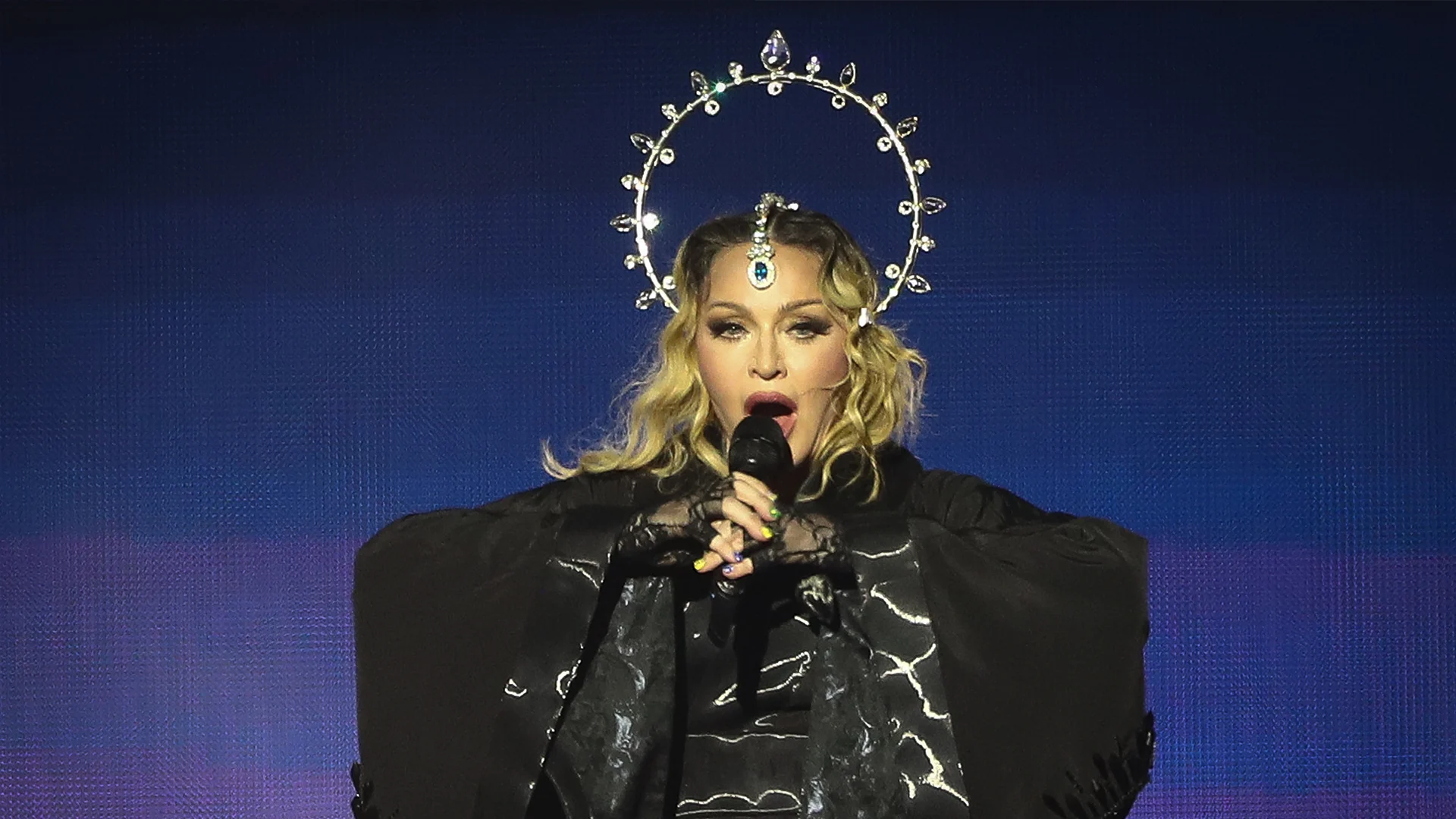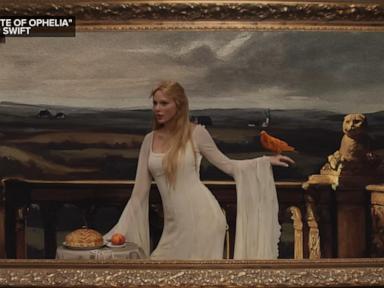
Every pop culture outlet on the internet is currently hyperventilating over the 2026 MTV Video Music Awards nominations. They are treating the head-to-head match between Madonna and Taylor Swift like a high-stakes heavyweight prize fight. They are tallying up historical records, counting nominations like baseball cards, and breathlessly reporting on who is trending.
It is lazy, recycled noise. Read more on a related issue: this related article.
While the mainstream media conflates corporate nomination tallies with cultural relevance, they are completely ignoring the structural decay of the institution itself. Let's look past the glossy PR handouts and dismantle the narrative.
The Nomination Inflation Illusion
The lazy consensus is that breaking VMA records or leading a nomination count still translates to raw cultural dominance. It does not. When Madonna pulls 11 nominations and Taylor Swift trails closely with nine, the headlines treat it as an earth-shattering indicator of modern taste. Further journalism by GQ delves into related perspectives on this issue.
Wake up. Nomination counts are heavily engineered metrics. Labels buy, lobby, and strategize for category packing. Handing out double-digit nominations to legacy acts and immutable mega-stars is a safe corporate hedge for a network terrified of alienating core demographics.
Imagine a scenario where an award show actually reflected modern audio consumption habits instead of rewarding the top five major-label priority budgets. The entire landscape would look unrecognizable. Yet, we are fed the same stale narrative about history being made every single autumn. Breaking a tie for 30 moonmen with Beyoncé does not make an artist the voice of a generation; it just proves they know how to stay inside a closed ecosystem.
The Real Death of Video Culture
Let us address the elephant in the room that everyone in entertainment journalism is too timid to touch. MTV does not dictate music video culture anymore. TikTok, user-generated snippets, and fragmented vertical feeds do.
When television networks spend hours breaking down a stacked Artist of the Year ballot, they are pretending that the traditional music video format holds the same monolithic cultural weight it did in 1999. It doesn't. Songs break because a fifteen-second audio loop soundtracked ten million aesthetic transformation videos on social media. The actual three-minute narrative music video is increasingly an expensive vanity project or a contractual obligation for streaming monetization.
Clinging to the VMA race as a barometer for pop supremacy is like using landline telephone directory data to measure mobile app adoption.
The Mourning Paradox
In the same breath that mainstream segments package pop culture roundups, they juxtapose the hyper-commercial VMA race with genuine rock history, noting the passing of figures like Derran "Derry" Brownson, keyboardist of EMF.
There is a grim, jarring dissonance here. The commercial machine treats legacy alternative acts as brief, retroactive footnotes before immediately cutting back to corporate pop cheerleading. Real music history is forged in gritty clubs and breakthrough alternative anthems like "Unbelievable," not in focus-grouped arena pop rollouts designed to maximize digital engagement metrics.
If you want to understand where music is actually moving, stop looking at who Warner Records or Republic managed to squeeze onto a primary voting ballot. Look at the fractured, independent underground that corporate award shows refuse to acknowledge until it's safe to sanitize.
Stop caring about the record books. The game is rigged to celebrate its own longevity. Turn off the broadcast.