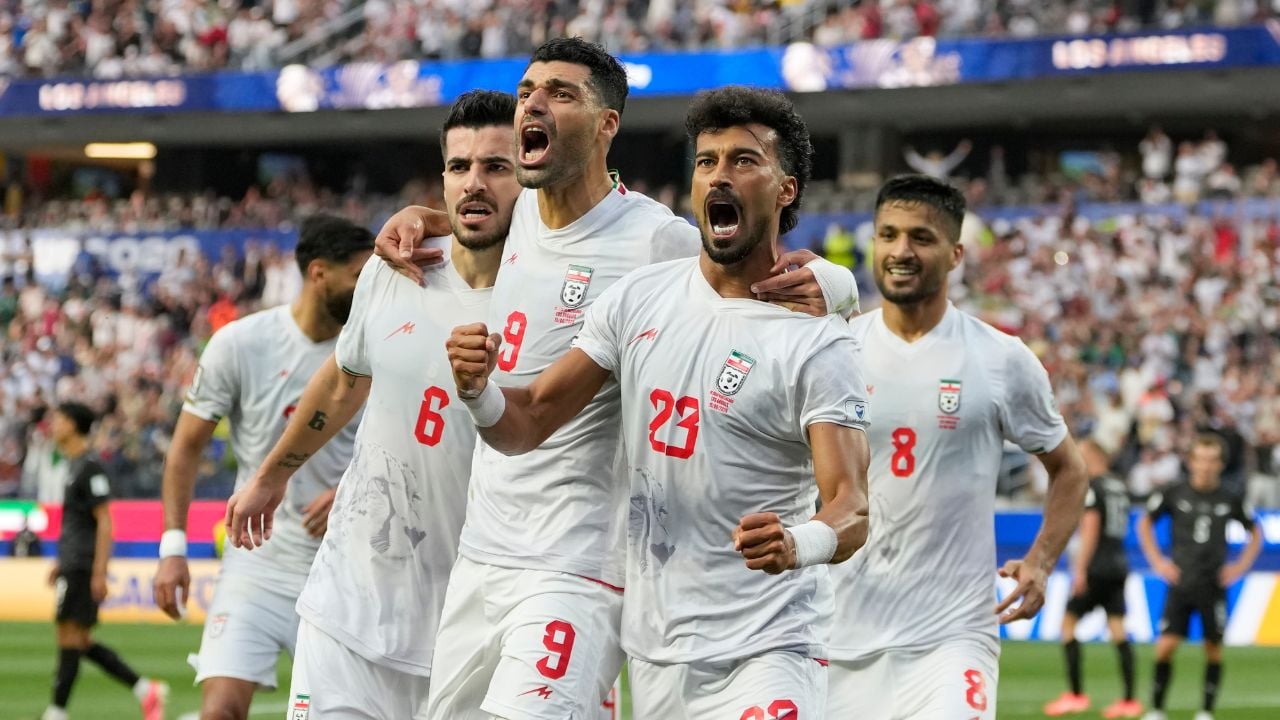
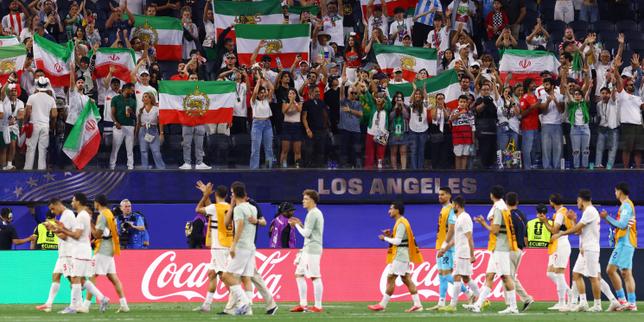
The traditional sports media is currently suffocating you with thousands of pages of the exact same spreadsheet: the complete 2026 World Cup television schedule, neatly organized by group, broadcast window, and streaming app. They are telling you which days to request off work. They are previewing Group A as if it represents the pinnacle of international sport.
They are lying to you by omission. Don't forget to check out our previous coverage on this related article.
The media needs you to believe that every single one of the record-setting 104 matches in this expanded tournament matters. It keeps the clicks flowing and justifies the eye-watering broadcast rights fees. But if you treat this tournament like the tightly packed, elite spectacles of the past, you are going to burn out by day ten on a diet of unwatchable, low-block defensive stalemates played by exhausted squads.
The 48-team expansion did not expand the quality of the World Cup; it diluted it. To survive the next few weeks without losing your mind, you need to throw out the standard fan guide and look at the brutal, mechanical realities of how this bloated tournament will actually function. To read more about the background here, The Athletic provides an informative breakdown.
The Group Stage Is an Expensive Illusion
Every mainstream preview is analyzing the group stage with a straight face. They are breakdown down tactics for matches that, quite frankly, do not matter.
Let us look at the math that the standard guides refuse to highlight. For the first time, we have 12 groups of four teams. The top two teams from each group advance automatically. That makes 24 teams. But to fill out a 32-team knockout bracket, the eight best third-place teams also advance.
Think about that metric. Out of 48 teams that started the tournament, 32 of them will make it to the round of 32. You have to be historically incompetent to get knocked out in the first two weeks. A team can easily draw two games, lose one, finish with two points and a neutral goal difference, and still play knockout football.
When survival requires so little effort, the incentive structure changes completely for managers. Elite nations will not play their star-studded lineups to blow out lower-tiered opponents; they will treat the group stage as a glorified, high-altitude training camp to build match fitness and manage yellow cards. Conversely, the newly qualified, lower-ranked nations have zero incentive to play open, attacking football. Their path to the round of 32 relies entirely on scraping a 0-0 draw against a giant and hoping a single 1-0 win against a peer pushes them through on goal difference.
If you spend your mornings watching heavy favorites pass the ball sideways against an eleven-man defensive wall in the heat of a North American summer, you are playing yourself. Skip the group stage hype. The real tournament begins when the safety net is removed.
The Localized Travel Crisis Nobody Is Talking About
The standard fan guide treats the three-country hosting setup across Canada, Mexico, and the United States like a beautiful celebration of continental unity. They show you maps with little airplane icons, suggesting teams will glide effortlessly from coast to coast.
I have spent years analyzing sporting logistics, and I can tell you that this travel footprint is going to ruin multiple world-class squads. We are not in Qatar anymore. You cannot take a thirty-minute subway ride between stadiums.
Imagine a scenario where a team plays a high-humidity afternoon match in Monterrey, flies five hours across multiple time zones to Vancouver for a match four days later, and then zips down to the oppressive summer heat of Houston. The physical toll of that itinerary is immense.
World Cup Travel Stress Index Factors:
- Flight Time: 4+ hours per cross-zone leg
- Temperature Swings: 65°F (Indoor/Northern) to 95°F+ (Southern Summer)
- Time Zones: Up to 4 distinct shifts across North America
When you are reading game previews, ignore the historical head-to-head records. Ignore the FIFA rankings. Look exclusively at the logistics tracker. The teams that survive the first knockout rounds will not necessarily be the most talented; they will be the ones whose federations secured the best base camps and whose medical staffs are best at combating jet lag and systemic inflammation. Look for the squads that get to stay within a single regional pod (East, Central, or West) during the group phase. They are the ones buying themselves a massive physical advantage for July.
Dismantling the "People Also Ask" Fictions
The internet is flooded with basic questions about this tournament, and the automated answers are universally soft. Let us inject some reality into the most common queries.
Will the expanded format help smaller nations develop?
No. This is a commercial narrative designed to wrap a cash grab in the flag of philanthropy. Giving an underprepared nation three games of hyper-defensive suffering before sending them home does not build grassroots infrastructure. True development happens via sustained academy funding and continent-wide club competition reform. This expansion was engineered to guarantee major media markets that historically struggle to qualify—like China or the United States in lean years—have an almost permanent seat at the table to protect advertising revenue.
How will the new round of 32 affect the meta-tactics?
It creates a massive tactical cliff. Because the group stage allows so much mediocrity to pass through, the round of 32 will feature an unprecedented number of mismatched pairings. You will see elite tactical systems going up against teams that have no business being on the same pitch. This is where the tournament will turn into a war of attrition. Expect heavy rotation from the deep squads and an absolute explosion of tactical fouling from the underdogs trying to disrupt the rhythm of elite midfields.
Is home-field advantage real for the three hosts?
Only for one of them. Mexico playing at the Estadio Azteca remains one of the most terrifying prospects in international football due to the altitude and intense fan culture. But for Canada and the United States, playing matches in heavily retrofitted NFL stadiums with temporary grass pitches laid over concrete bases does not offer a true home-field advantage. The crowd environments will be highly corporate, and the pitch conditions will actively hinder fast, technical passing teams.
The Exhaustion Factor: Why the Stars Will Disappoint
We are coming off an grueling club season where elite players in the UEFA Champions League and domestic divisions logged upwards of 55 to 60 matches. They arrived at North American training camps already running on fumes.
The standard previews list names like Kylian Mbappé, Erling Haaland, or Vinícius Júnior and project them to replicate their club form. They will not. International football is inherently slower and more disorganized than elite club football because national team managers only get a few weeks a year to teach complex tactical patterns.
When you mix profound physical exhaustion with a lack of tactical cohesion, individual brilliance gives way to rigid, defensive structures. The teams that win this tournament will not do it with sparkling, fluid attacking sequences. They will do it through disciplined midblocks, set-piece efficiency, and having a goalkeeper who can win a penalty shootout.
If you want to make smart predictions, stop looking at who has the best frontline. Look at who has the most reliable, unheralded defensive midfielders. Look at the squads built around collective defensive suffering rather than individual star power.
How to Actually Watch the 2026 Tournament
To preserve your sanity and maximize your enjoyment, you must completely re-engineer your viewing habits.
Do not try to watch all 104 matches. You will end up hating the sport by the end of June. Treat the first two weeks like background noise. Keep an eye on group standings purely to see which elite team is actively imploding due to internal drama or travel fatigue.
Focus your energy entirely on the knockout bracket from the round of 16 onward. That is where the dilution ends, the margins shrink to zero, and the actual pressure of the World Cup returns. Everything before that is just a multi-billion-dollar television show designed to sell cell phone plans and light beer.
Stop reading the breathless previews written by people trying to sell you the corporate hype. The expanded World Cup is a chaotic, exhausting beast. Treat it accordingly. Watch for the systemic flaws, bet on the logistical survivors, and ignore the noise until the games actually matter.