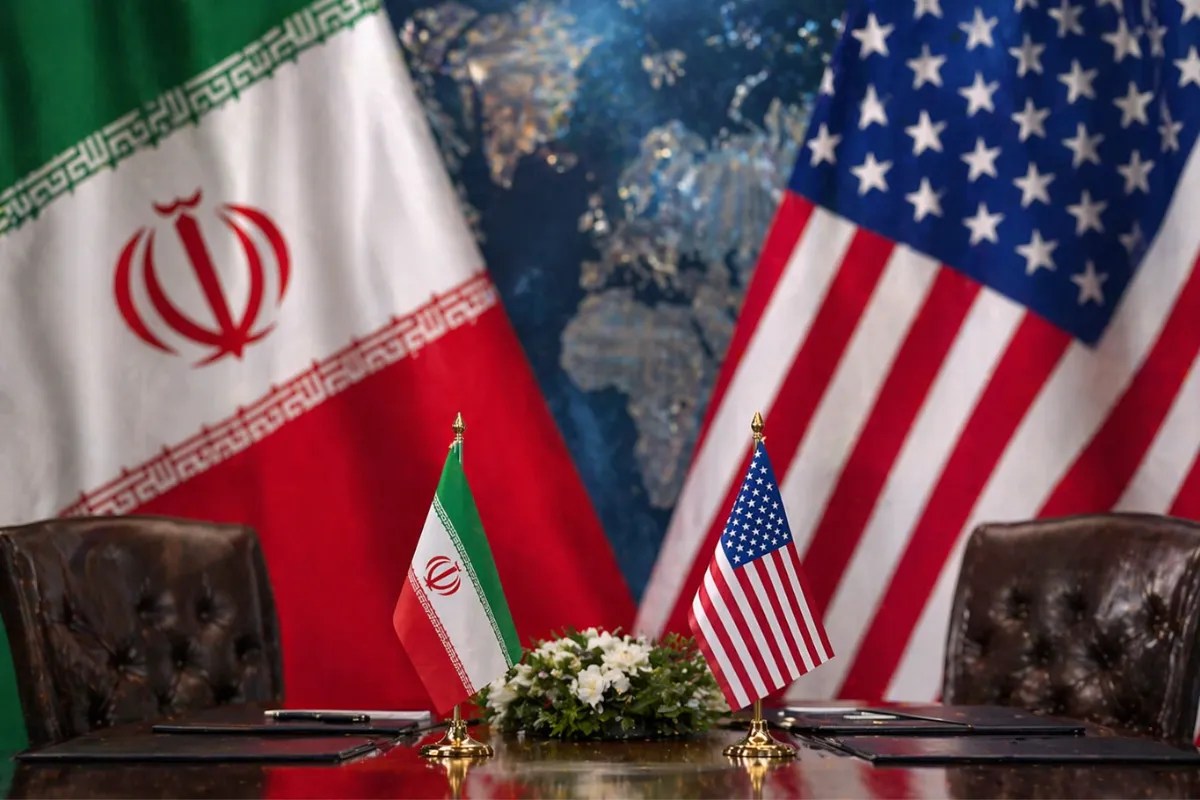
Mainstream media is currently vibrating over the "36 to 72-hour" window for direct US-Iran talks. They are painting a picture of a breakthrough, a sudden thawing of ice, or a desperate scramble for peace. They are wrong. This isn't a countdown to a handshake; it’s a high-stakes psychological siege where "negotiation" is just another theater of war.
The lazy consensus suggests that because President Trump indicated a meeting is "possible" and Pakistan is frantically mediating in Islamabad, we are on the verge of a historic resolution. This ignores the brutal reality of the 2026 conflict. We aren't looking at a diplomatic finish line. We are looking at a tactical pause designed to let both sides reload their political and kinetic magazines.
The Myth of the Unified Proposal
The current narrative fixates on Trump’s claim that Tehran’s leadership is "fractured" and needs time to present a unified proposal. This is a classic misreading of Iranian power dynamics. The "infighting" between President Masoud Pezeshkian and the IRGC isn't a bug; it's a feature.
I’ve watched geopolitical standoffs for decades where the West mistakes internal debate for weakness. In reality, Tehran uses this perceived "fracture" to play a perpetual game of good-cop/bad-cop. While Pezeshkian talks about "hypocritical rhetoric," the IRGC seizes the MSC-FRANCESCA and EPAMINODES in the Strait of Hormuz.
The 72-hour window isn't for Iran to "get its act together." It’s for the Supreme Leader to see exactly how much the US is willing to blink while the naval blockade on Hormuz eats into global energy margins. If you think a deal is signed by Friday, you don’t understand how leverage works.
Why Direct Talks are a Trap
The "People Also Ask" sections of the internet are obsessed with whether Vance will meet Araghchi face-to-face. You’re asking the wrong question. The medium isn't the message; the deadlock is the message.
- The 20-Year Pause vs. The 3-Year Bluff: Washington is demanding a two-decade freeze on enrichment and the total removal of highly enriched uranium. Tehran is offering three to five years. In the world of nuclear breakout capacities, three years is a coffee break.
- The Hormuz Ransom: Iran isn't negotiating for peace; they are negotiating for the removal of the blockade line running from Ras al Hadd to the Pakistan border. They have turned the global economy into a hostage, and the 72-hour countdown is just the kidnapper checking his watch.
- The Ghost of the JCPOA: Critics argue we need to "return to the framework." That framework is dead. The 2026 war changed the math. The US is now eyeing Iran’s oil, gas, and rare mineral sectors as collateral. This isn't a treaty; it’s a potential restructuring of an entire nation’s balance sheet.
The Pakistan Factor: Mediator or Shield?
Pakistan’s role is being hailed as "responsible diplomacy." Don't buy it. Islamabad is mediating because it cannot afford a total Iranian collapse on its border, nor can it afford to alienate a Trump administration that holds the keys to its financial survival.
When Pakistan touts "positive mediation," they are essentially trying to prevent the ceasefire from becoming an "open-ended" invitation for more strikes. They are the buffer, not the bridge. The "breakthrough" on sticky issues reported by Reuters is likely nothing more than an agreement on the definitions of the terms they will continue to fight over.
The Brutal Reality of the Ceasefire
Imagine a scenario where the 72 hours expire with no meeting. The media will call it a "failure of diplomacy." It won't be. For the US, the ceasefire extension provides a window to recalibrate the naval blockade and verify the damage of the June 2025 strikes on nuclear infrastructure.
For Iran, the ceasefire is a "tactical reconstitution." As the Institute for the Study of War (ISW) correctly noted, their missile forces are exploiting this quiet to rebuild tactical units. They aren't preparing for a peace treaty; they are preparing for the next volley.
Stop Waiting for the "Deal"
The mistake every "industry expert" makes is assuming the goal of these talks is an agreement. The goal is the process.
- For Trump: The process is the "Win." He can claim he’s "very close" to a deal, keeping the markets from spiraling while maintaining the blockade.
- For Tehran: The process is "Survival." Every hour spent "reviewing a proposal" is an hour without a B-2 bomber over Natanz.
The 72-hour clock is a gimmick. The real movement happens in the shadows of the Strait, where the IRGC tests the limits of the US Navy's "visit, board, search, and seizure" orders.
If you're waiting for a "unified counter-offer" from Tehran, don't hold your breath. They will offer just enough to keep the ceasefire alive, but never enough to end the leverage they gain from being a "fractured" threat. Peace isn't the objective here. Dominance is.
Negotiation is just war by other means. And right now, both sides are winning.


