Michigan just flipped the script. Abdul El-Sayed secured the Democratic nomination for the U.S. Senate, edging out U.S. Representative Haley Stevens with roughly forty-eight percent of the vote. It's a massive victory for the progressive wing of the party. It also sent Donald Trump into an immediate, fiery meltdown on Truth Social.
Trump didn't just offer standard political pushback. He fired off aggressive attacks, dismissing the progressive candidate with blunt insults and labeling him "full of shit" during a speech in Nevada. Why is a primary win in the Midwest drawing such explosive national fury? Let's break down what actually happened and what it means for the upcoming midterms. Learn more on a related issue: this related article.
The Primary Battle and the Trump Reaction
The race was tight for hours. The Associated Press finally called the Democratic primary for El-Sayed, a former public health official who ran an unapologetically progressive campaign. He weathered heavy opposition and millions in outside spending, pushing past establishment-backed rivals to claim the nomination.
Trump reacted instantly. He took to social media to cast doubt on Michigan's election integrity, specifically targeting Wayne County—which includes Detroit—by calling it one of the most corrupt voting areas in the country without providing hard evidence. Further reporting by NBC News highlights related perspectives on the subject.
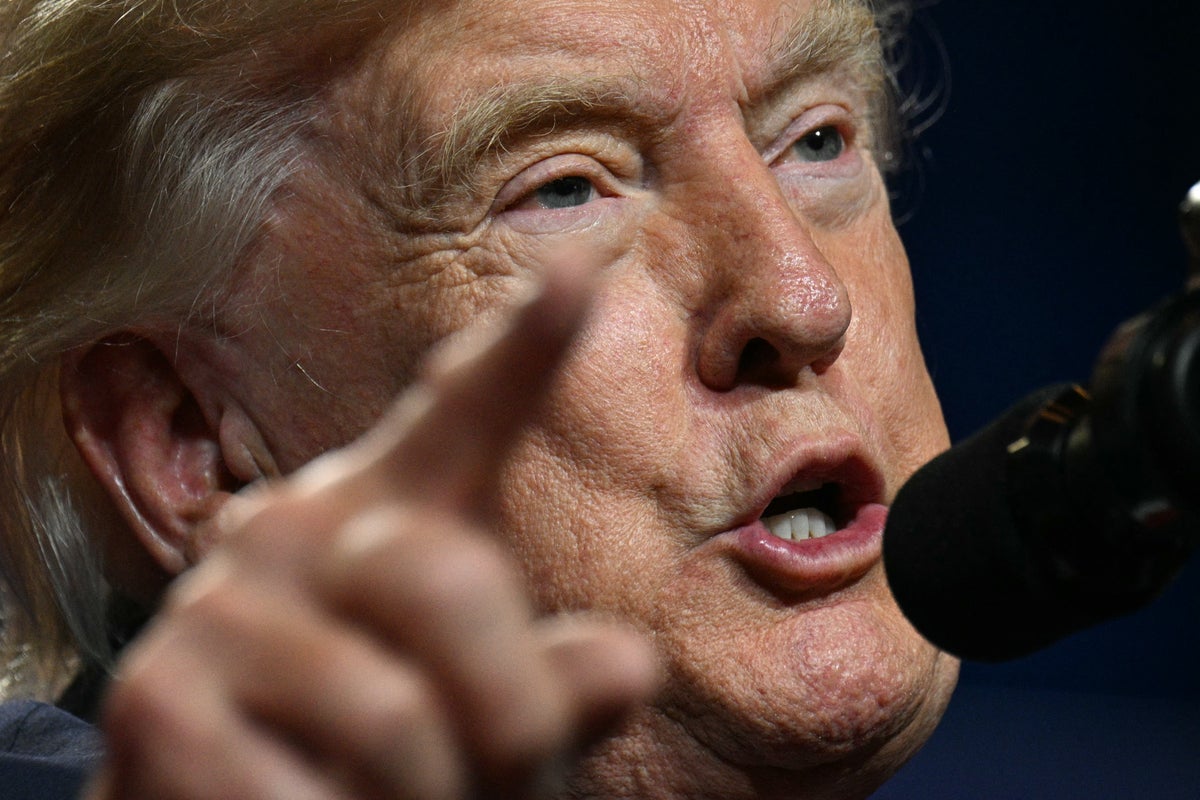
Soon after, during a speech, Trump escalated his rhetoric. He attacked El-Sayed's foreign policy stances, accused him of harboring deep animosity, and bluntly told his supporters that the candidate was "full of shit." He also urged voters to back Republican nominee Mike Rogers in the November general election, framing the upcoming matchup as a critical ideological showdown.
Why El-Sayed's Platform Scares the Right
To understand Trump's intense reaction, you have to look at what El-Sayed represents. He isn't running on a safe, centrist playbook. His campaign centered on systemic reforms, expanding healthcare access, and aggressively targeting corporate money in politics.
He frequently argued that corporate donors and special interest groups corrupt the political system. During his campaign trail, he famously stated that Trump isn't the root disease of American politics, but rather its worst symptom. That kind of rhetoric directly challenges the populist brand Trump built.
Furthermore, El-Sayed's strong stance on foreign policy, particularly concerning U.S. aid to Israel and his vocal support for Palestinian rights, mobilized a massive coalition of young voters, progressives, and Arab-American Michiganders. That coalition is precisely what progressives hope will reshape the electoral map, but it's also what conservative strategists view as a major vulnerability in a general election.
What Happens Next in Michigan
Michigan is shaping up to be one of the most expensive and fiercely contested battlegrounds in the country. Republican Mike Rogers, who secured the GOP nomination unopposed and holds Trump's endorsement, is ready for a brutal fight.
Democrats want to hold onto this crucial Senate seat as they fight for control of Congress. But party insiders are deeply divided on whether an unapologetic progressive can win over swing voters in a purple state. El-Sayed's victory proves that the progressive base is energized, but the general election will test whether that energy can expand beyond urban centers and college towns.
The gloves are off. Trump has made it clear that Michigan is a prime target, and the state is about to become the epicenter of national politics. Pay attention to how both campaigns handle cost-of-living issues and grassroots organizing over the next few months, because that is where the election will actually be won or lost.