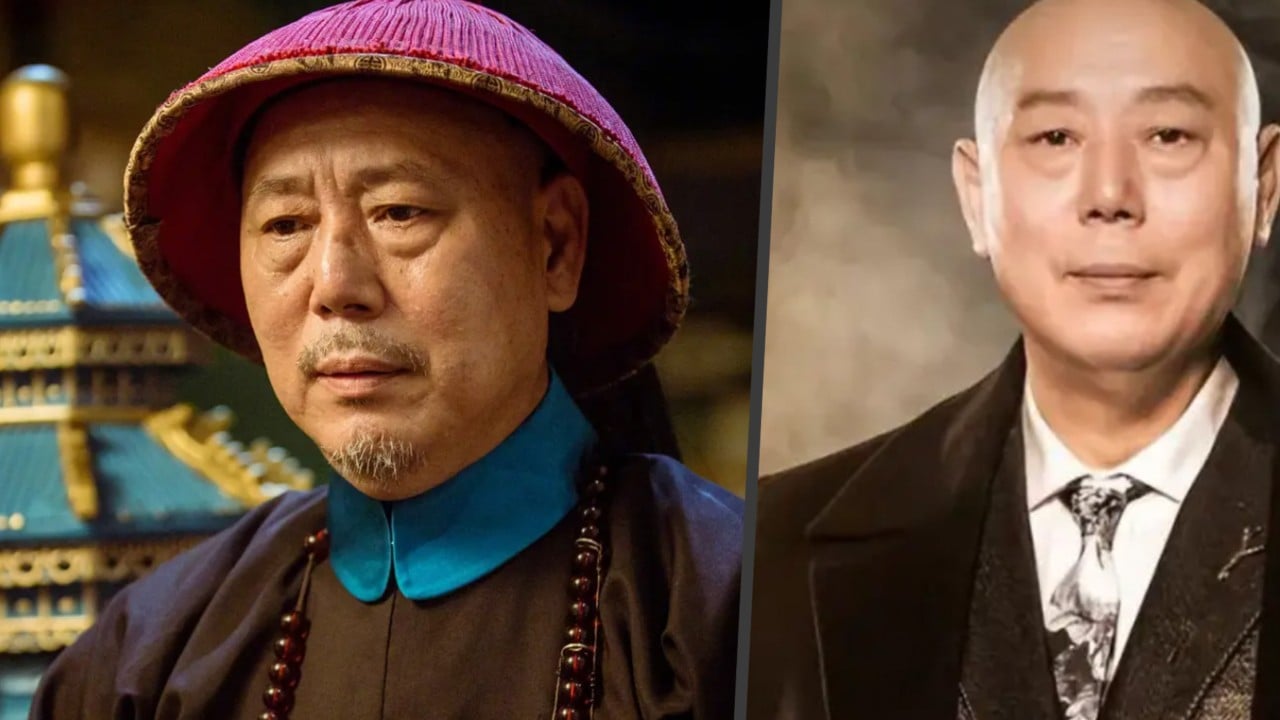
In the winter of 1991, Beijing was freezing, and Li Chengru was broke.
Not just light on cash. Ruined.
Months earlier, he had been navigating the chaotic, gold-rush economy of nineties China like a king. He owned a massive clothing company, lived in luxury, and traded futures with the reckless swagger of a man who believed the market only moved up. Then the market crashed. In a single day, his entire fortune vanished into the air. Millions gone. The banks didn't care about his past glory. The creditors didn't care about his dreams. Overnight, the wealthy entrepreneur was reduced to a ghost in his own life, sitting in a cold room, wondering how a man loses everything he built with his bare hands.
Failure breaks most people. It crushes their pride, silences their voice, and teaches them to blend into the background so they never get hurt again.
Li Chengru took a different lesson from the wreckage. He realized that when you have lost every single thing you own, you no longer have any reason to lie.
The Long Road Back to the Camera
Before the money, before the trading floor, before the catastrophic crash, Li was an actor. He had trained at the prestigious Beijing Film Academy, learning the subtle art of human expression from master performers. But the lure of early Chinese capitalism had pulled him away from the stage.
After the bankruptcy, the glitz of the business world was off the table. The only path forward was the one he had abandoned years before. He returned to set, not as a celebrated star, but as a humbled veteran forced to earn every single line.
He didn't get leading roles right away. He played corrupt officials, hardened police officers, and sharp-tongued businessmen. Because he had actually lived through the ruthless betrayals of high-stakes commerce, his performances possessed an unnerving authenticity. When Li Chengru looked at another character on screen with cold disapproval, the audience felt it. He wasn't acting. He knew what real greed looked like. He knew what real desperation felt like.
For two decades, he steadily rebuilt his career, earning respect as a formidable actor in Chinese television and film. But his true second act—the one that would make him a national phenomenon—had nothing to do with playing a script.
The Circus of Modern Fame
By the late 2010s, the Chinese entertainment landscape had shifted dramatically. Reality TV shows and talent competitions dominated the airwaves, promising to turn photogenic young performers into overnight superstars.
These shows operated on a tacit contract: directors and judges would shower praised-filled, gentle feedback on idol actors, regardless of how wooden or untrained their performances actually were. Fans were happy, production companies turned massive profits, and the young stars remained untouched by genuine criticism. It was a comfortable, polite, completely dishonest ecosystem.
Then someone invited Li Chengru to sit in the judge's chair on Actors Take Your Places.
Imagine a theater filled with soft lighting, glowing screens, and hundreds of screaming fans. A pair of young, incredibly popular idols complete a scene. The performance is stiff, emotionless, and devoid of basic vocal control. The scene ends. The audience cheers. The other judges offer diplomatic, flattering remarks, complimenting the actors' effort and hair.
Then the camera cuts to Li Chengru.
He doesn't smile. He doesn't look at his cue cards. He squints at the stage with the raw, visceral disgust of a man who was just served spoiled food at an expensive restaurant.
When he opens his mouth, he doesn't use polite industry buzzwords. He hits the performers with four legendary phrases that instantly sent shockwaves through social media: "Needlessly elaborate, chew-less, tasteless, making my back ache."
Silence fell over the studio. You could hear the hum of the lighting rigs.
Why Fire Burns
The internet erupted. Older viewers cheered. Younger fans argued. Production teams panicked.
Why did a senior actor's harsh review trigger such a massive cultural earthquake?
Because the audience was suffocating on artificial politeness. In a culture where saving face often overrides blunt honesty, Li Chengru did something radical: he said out loud what millions of viewers were thinking in their living rooms. He tore down the curtain protecting fragile celebrity egos.
He didn't criticize the young actors out of malice. He criticized them because he treated the craft of acting as something sacred. To him, stepping onto a stage without preparing, without understanding human grief, without sweating over the cadence of a single line was an insult to the profession that saved his life after his world collapsed in 1991.
When you have lost millions in a financial crash, watching a privileged twenty-year-old pretend to cry for thirty seconds without shedding a real tear isn't just bad acting. It's disrespect.
The Price of Total Candor
Being the only honest man in a room full of diplomats is a dangerous job.
As the show progressed, Li didn't back down. He sparred with famous directors on live television. When celebrated filmmakers tried to defend weak performances with high-minded philosophical jargon, Li cut straight through it. He demanded clarity. He demanded discipline. He demanded respect for the audience's time and intelligence.
He became a viral icon, a meme, a legendary symbol of uncompromising standards. But more than that, he exposed the massive rift between commercial hype and genuine artistic merit.
People started tuning in to these shows not to watch the glossy performances, but to watch one middle-aged veteran tell the truth. He proved that audiences aren't stupid. Readers, viewers, and fans know when they are being sold something fake. They crave authenticity, even when it cuts like a blade.
A Legacy Written in Truth
Li Chengru never set out to become a viral critic. He was just a man who had been stripped down to zero, rebuilt himself piece by piece, and lost his tolerance for nonsense along the way.
In a world obsessed with smooth PR, gentle optics, and superficial applause, his presence remains a stark reminder of what happens when someone refuses to play along with the script.
True respect for an art form—or for an audience—doesn't look like empty praise. It looks like high expectations. It looks like the courage to sit in front of millions of people, look a superstar in the eye, and demand that they do better.
The lights on the soundstage eventually turn off. The streaming numbers fade. But somewhere in a cold rehearsal room, a young actor is running their lines for the tenth time tonight, fixing their posture, listening to the cadence of their own breath, terrified of being mediocre.
And that is precisely the point.