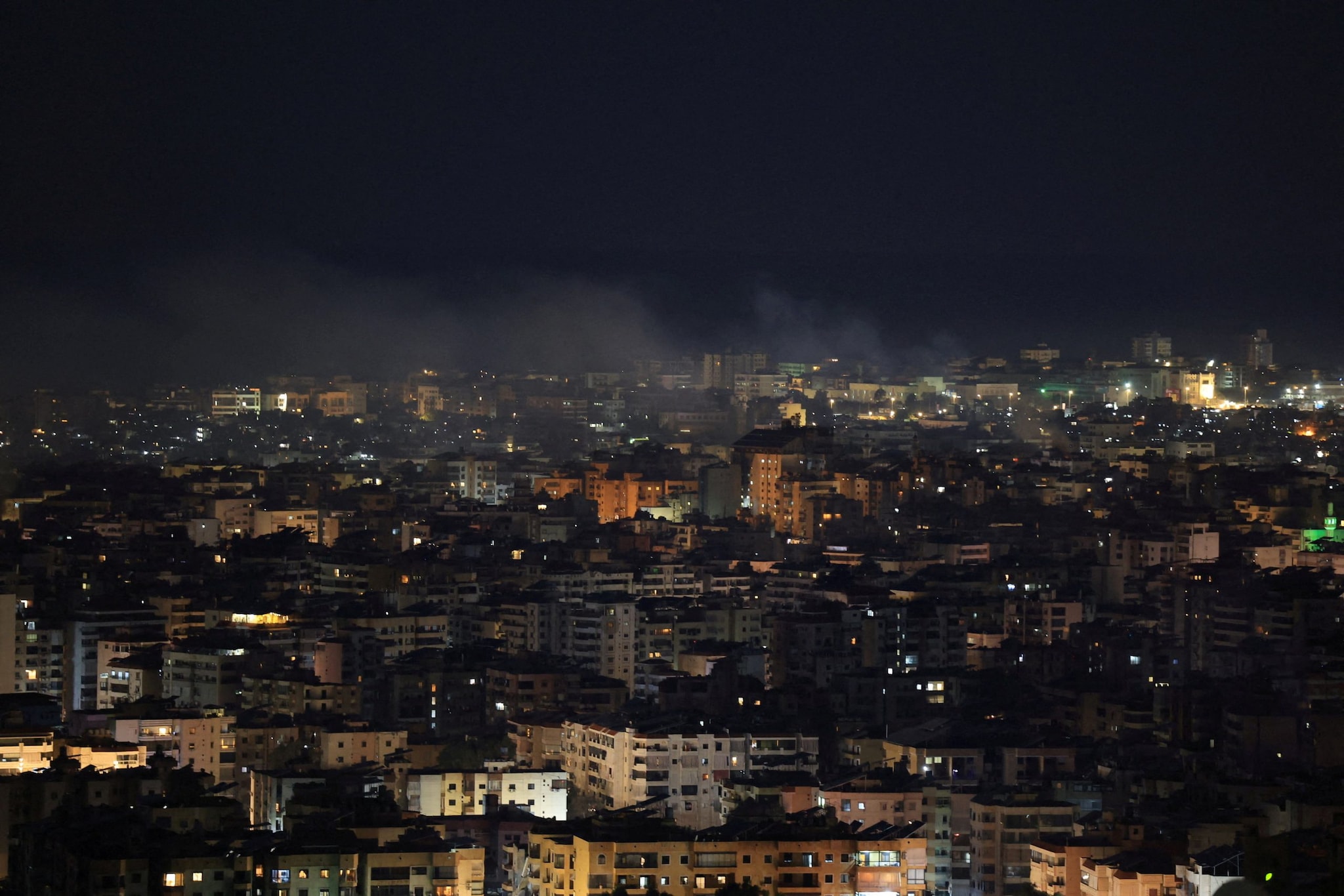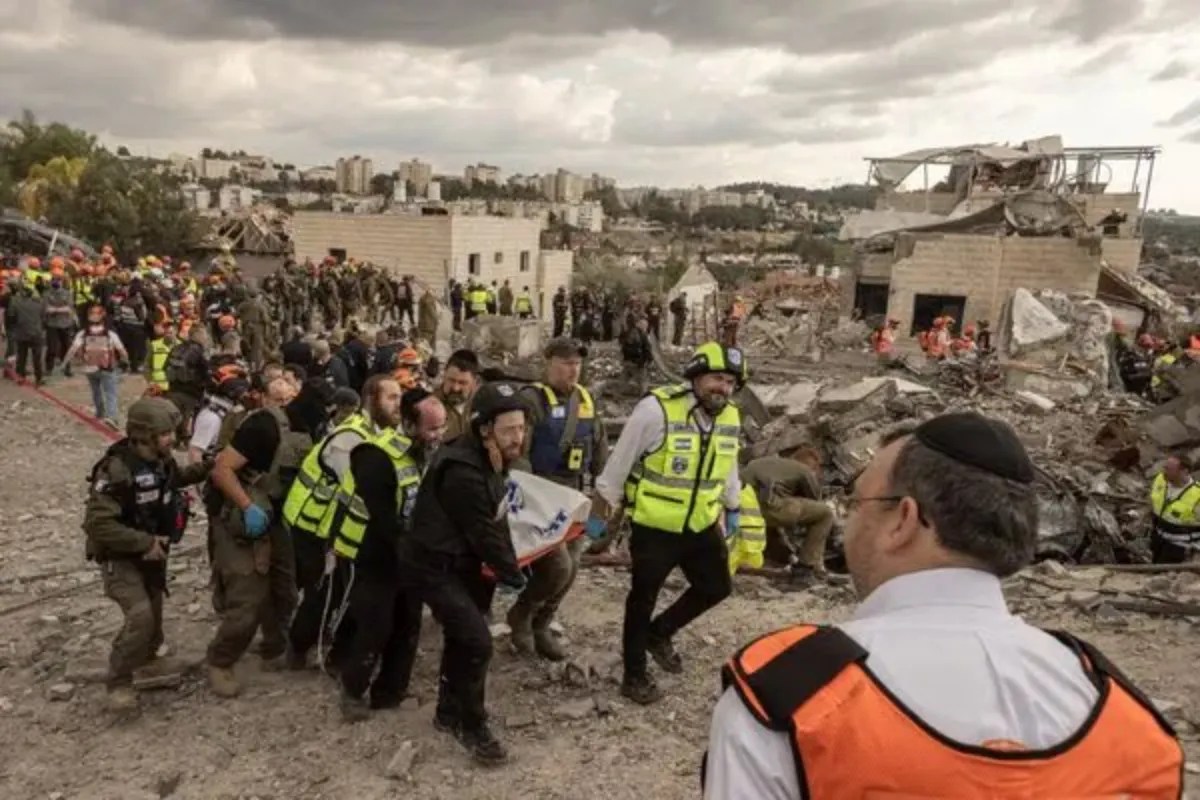
The rules of the game just changed in South Asia. If you’ve been following the tension along the Durand Line, you know things have been shaky for years, but what happened on March 2, 2026, moves the needle from "border friction" to "regional emergency." Afghanistan’s Ministry of Defense didn’t just claim a minor win; they announced a coordinated aerial strike deep into Pakistani territory.
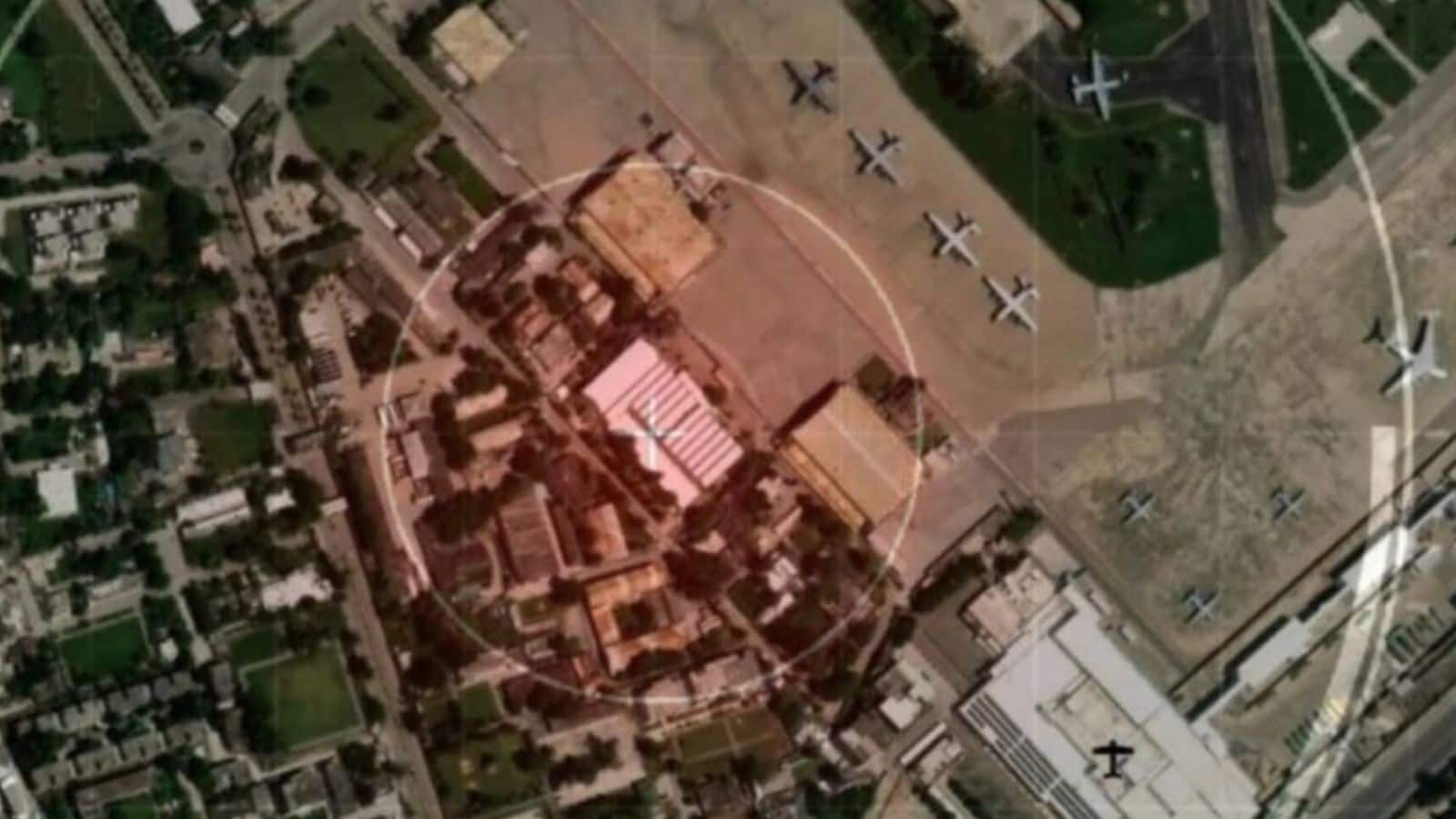
Targeting the Nur Khan Airbase in Rawalpindi isn't just a military move. It’s a psychological one. Rawalpindi is the heart of Pakistan's military establishment. By hitting an asset so close to the capital, the Taliban administration is sending a message that their reach isn't limited to mountain passes and border outposts. This comes on the heels of Pakistan’s "Operation Ghazab Ul Haq," which saw Islamabad declaring "open war" and bombing targets in Kabul and Kandahar just days prior.
Why the Nur Khan Airbase matters
You might remember Nur Khan Airbase from the headlines last year. It was a primary target during India's Operation Sindoor in May 2025. The base has been under repair since then, making this new strike a massive setback for the Pakistan Air Force (PAF).
This isn't just about runways. Nur Khan is a strategic command hub. By striking here, along with the 12th Division headquarters in Quetta and the Khwazai Camp in Mohmand, the Afghan Air Force—utilizing kamikaze drones and what they claim are "laser-guided" systems—is trying to blind Pakistan’s operational capabilities.
The numbers coming out are grim. Kabul claims at least 32 Pakistani soldiers died in these overnight operations. Pakistan has yet to confirm these specific figures, but the postponement of Prime Minister Shehbaz Sharif’s trip to Russia tells you everything you need to know about the gravity of the situation.
The Durand Line and the TTP factor
The real friction point isn't a secret. It’s the 2,611-kilometer border known as the Durand Line. Afghanistan has never formally recognized it. They see it as a colonial relic that splits the Pashtun heartland.
But the immediate trigger for this "open war" is the Tehrik-e-Taliban Pakistan (TTP). Islamabad is convinced—and they have plenty of evidence—that the TTP uses Afghan soil as a launchpad for attacks inside Pakistan. After a brutal bombing at a mosque in Islamabad in February 2026, Pakistan’s patience snapped.
- February 22: Pakistan strikes alleged TTP camps in Nangarhar and Khost.
- February 26: Taliban announces a counter-offensive.
- February 27: Pakistan declares "open war" and hits Kabul.
- March 2: Afghanistan retaliates with drone strikes on Rawalpindi and Quetta.
It’s a classic cycle of violence, but the scale is unprecedented. We aren't looking at local commanders trading potshots anymore. This is state-level machinery grinding against each other.
A failing proxy strategy
For decades, Islamabad’s strategy was to manage Afghanistan through proxies. The irony is thick here. The very group they once supported is now their most direct conventional threat. Pakistan’s Information Minister, Attaullah Tarar, recently claimed that over 352 Afghan personnel have been killed in the last week alone.
But the Taliban aren't backing down. They’ve reportedly downed a Pakistani fighter jet over Jalalabad and captured the pilot. While Pakistan calls this "totally untrue," the propaganda war is just as intense as the kinetic one.
The Taliban’s use of advanced drone technology is a massive red flag. It shows that their military hasn't just survived since 2021; it has modernized. They're using relatively cheap, high-impact tech to bypass sophisticated air defenses. It’s a lopsided way to fight, and it’s working.
What this means for the region
If you’re looking at this from a global perspective, the timing is a nightmare. With the U.S.-Iran crisis heating up and the recent death of Ayatollah Khamenei, the last thing the region needs is a full-scale war between two nuclear-adjacent neighbors.
China is watching closely. They have massive investments in Pakistan and don't want a chaotic border. They’ve framed their interest as "counterterrorism," but they’re likely the only ones with enough leverage to force both sides back to the table.
Honestly, the "open war" label isn't just rhetoric anymore. When drones are falling on Rawalpindi, the pretense of "border management" is gone. We’re in a new phase of South Asian instability.
Monitor official defense briefings from both Kabul and Islamabad over the next 48 hours. The focus will be on whether Pakistan chooses to escalate with a ground incursion or if the international community can broker a ceasefire like they did in October 2025. If you're in the region, avoid non-essential travel to border provinces and stay tuned to verified news outlets for real-time updates on airspace closures.