The coffee cup on my desk has been vibrating for three years.
It is not an earthquake. It is the silent, constant hum of a financial system that has forgotten how to stand still. You feel it in the morning when you check your phone before your feet touch the floor. Red numbers. Green numbers. A frantic, jittery dance that repeats day after day, week after week. We keep waiting for the storm to break, for the lightning to strike, for the big crash that clears the air so we can finally take a deep breath.
It is not coming.
Instead, the analysts are whispering a quiet, unsettling truth over their Bloomberg terminals. Investment market volatility is not a seasonal visitor anymore. It is the new climate. Unless a global recession hits hard enough to break the machine entirely, this erratic tremor is simply how the world works now.
Let us drop the corporate jargon. What does market volatility actually feel like to a human being?
Meet Sarah. She is forty-two, a middle manager at a logistics firm, and she spends her Sunday nights staring at her retirement account projection with a knot in her stomach. Two years ago, she thought she understood the rules. You save, you invest in a diversified fund, you watch the line slowly curve upward toward a quiet suburban house with a garden. Simple. Predictable.
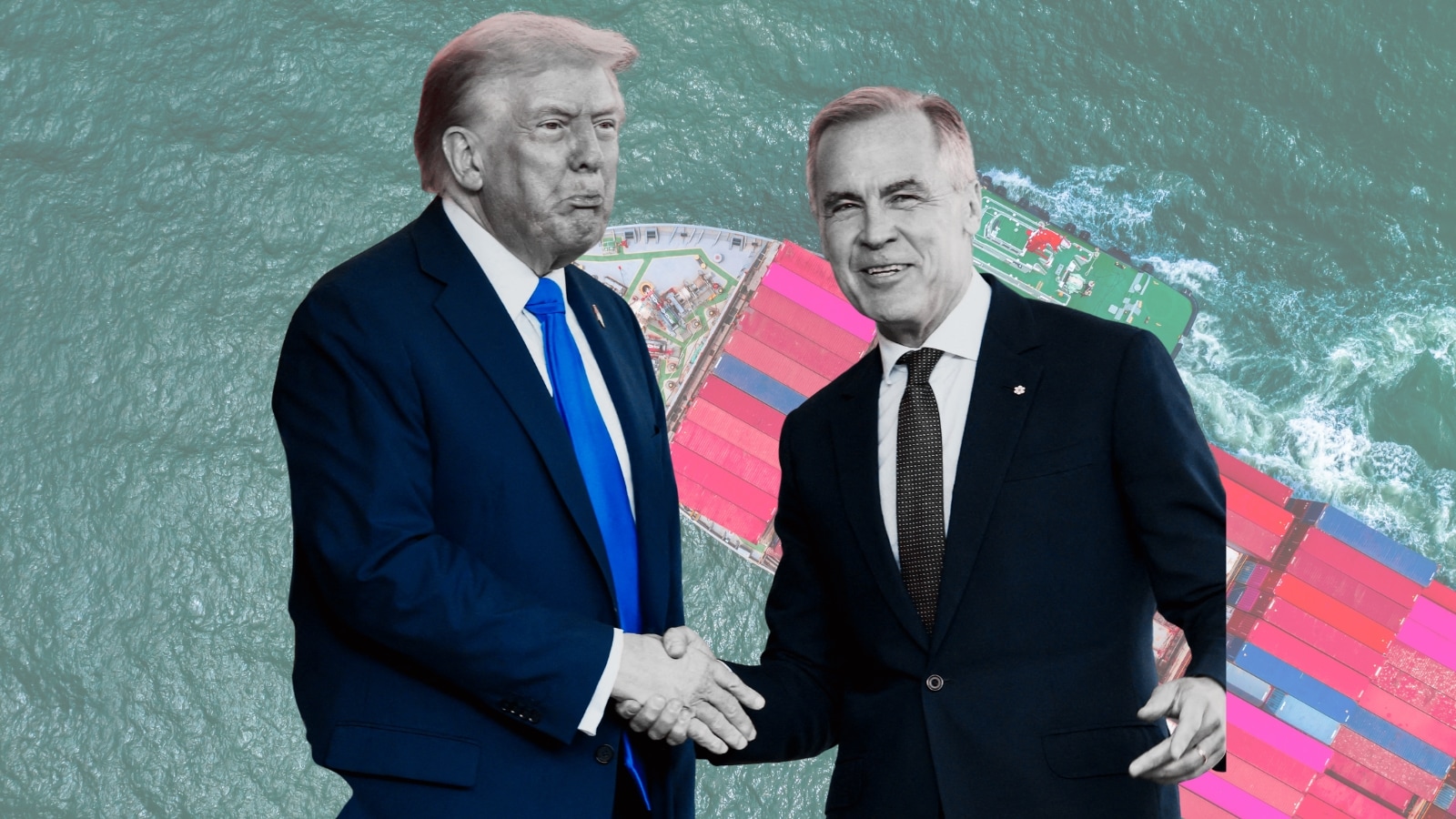
Now, Sarah watches her balance swing by ten percent in a single week because a central banker cleared his throat in Frankfurt or a cargo ship got stuck somewhere near a desert. She does not care about quantitative tightening. She cares about whether she will have to work until she is seventy.
When the market refuses to settle, human behavior shifts. Fear becomes the default operating system. People stop building for the long term because the long term looks like a fog bank.
To understand why this restlessness is here to stay, we have to look past the stock tickers and look at the plumbing of the modern world. Markets used to be anchored by slow, heavy things. Steel mills. Railroads. Grain silos. Decisions took months. Capital moved at the speed of a freight train.
Today, capital moves at the speed of light, guided by algorithms that react to a politician's tweet in microseconds. We built a hyper-connected, hypersensitive nervous system for global money, and then we acted surprised when it started twitching. Every supply chain hiccup, every geopolitical standoff, every whisper of inflation hits that nervous system all at once.
Analysts like to use clinical language to describe this. They call it structural instability. They talk about shifting liquidity and monetary policy normalization. But translate that into plain English, and it means the safety rails are gone.
Here is the paradox at the heart of our current era. The only force powerful enough to calm this constant jitter is a global economic collapse. Think about that for a moment. To get back to the quiet, predictable markets of the past, we would need a recession so deep and destructive that it destroys demand, crushes corporate earnings, and forces everyone into survival mode.
That is the Faustian bargain of modern finance. We want stability, but the price of admission is ruin.
Most people try to fight the volatility. They chase it. They buy when it spikes, they panic and sell when it dips, and they exhaust themselves trying to outrun a ghost. I know because I have done it. I have stared at candlestick charts at two in the morning, convincing myself that if I just read one more report, I could decode the chaos.
You cannot decode chaos. You can only learn to sail through it.
Consider what happens when we accept the premise. If the market is going to bounce, dip, surge, and stumble indefinitely, then the traditional playbook of waiting for the right moment becomes obsolete. There is no right moment. There is only now.
Investors who thrive in this environment stop treating the market like a weather forecast and start treating it like the ocean. You do not argue with a rogue wave. You build a stronger hull. You check your anchors. You accept that you cannot control the wind, but you can choose whether or not you step onto the boat.
This requires a fundamental rewiring of how we think about wealth. We are addicted to the illusion of control. We want guarantees in a world built on probabilities. When those guarantees evaporate, grief is often the first reaction. We mourn the predictable retirement, the stable pension, the linear path from cradle to grave.
Grief is a waste of time here.
The tremor in my coffee cup is not going away. The central banks will keep adjusting their levers. Geopolitics will remain a theater of perpetual surprise. Algorithms will keep hunting for yield in the dark corners of the globe.
The real question is not how we make the market calm down. The real question is how we build lives, businesses, and futures that do not shatter every time the line on the screen dips into the red.
Look out the window. The sky is grey, the wind is unpredictable, and the ground beneath our feet is humming. Tie your shoes anyway.