You are probably wasting money on your cooling bill right now. Most people do. They turn their thermostat down to 60 degrees thinking it cools the house faster. It does not. They leave ceiling fans spinning in empty rooms. That does nothing.
If you want to know how to lower your air conditioning bill, you have to stop treating your HVAC system like a magical cold air machine. It is a heat pump. It removes thermal energy from your home and dumps it outside. When you understand that basic physics problem, saving money becomes incredibly straightforward. Data from the US Department of Energy shows that the average family spends about half of their energy bill on heating and cooling. That is a massive chunk of cash. You can shrink that number significantly without melting in your own living room.
The Thermostat Lies You Need to Stop Believing
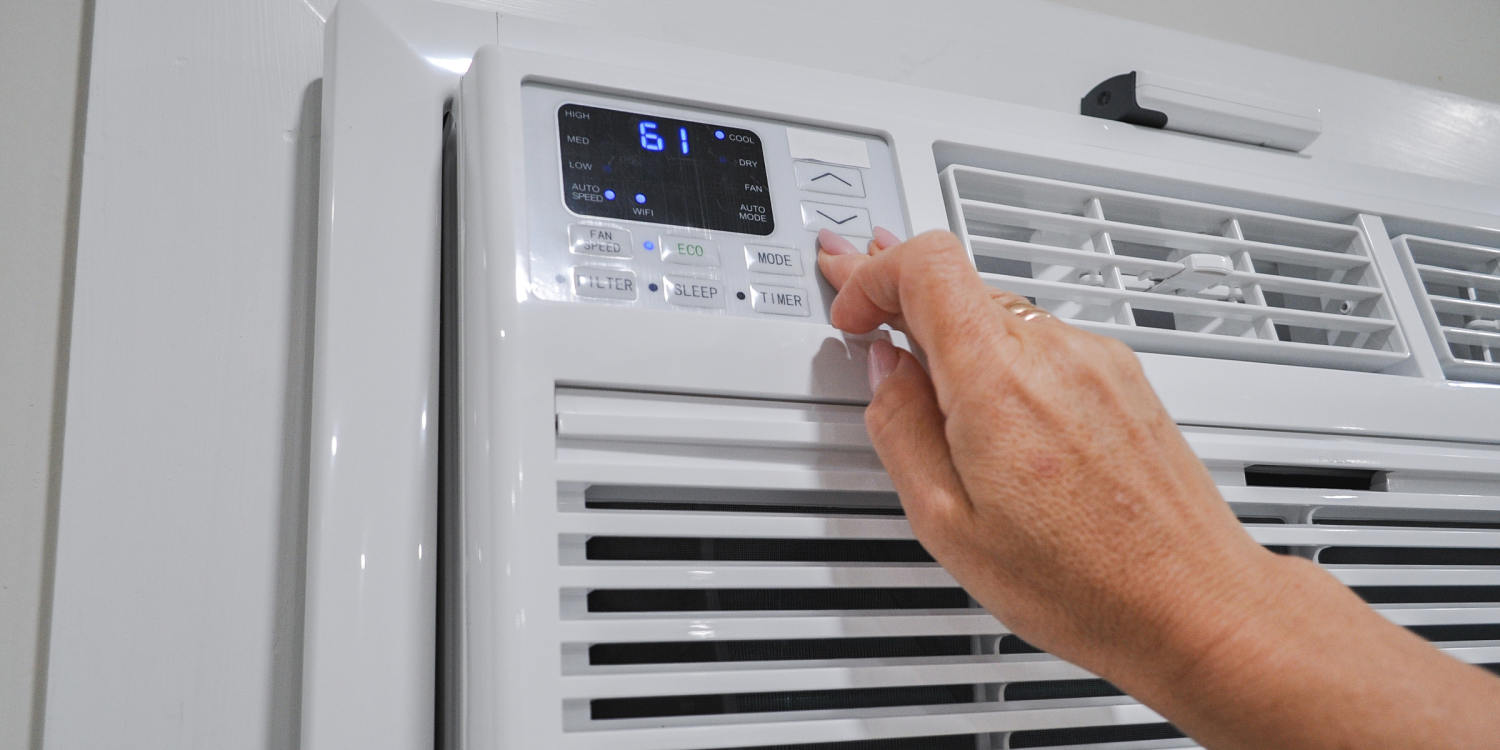
Let's start with the biggest misconception in home comfort. Your air conditioner runs at one speed. It is either on or it is off. Setting your thermostat to 62 degrees when the living room is currently 80 degrees will not make the air coming out of the vents any colder. The system will just run longer to hit that unrealistic target. You are dragging out the cooling cycle and wasting power.
Instead, you need to understand the concept of thermal equilibrium. The closer your indoor temperature is to the outdoor temperature, the slower heat leaks into your house.
The Department of Energy recommends setting your thermostat to 78 degrees when you are home and active. I know that sounds warm to some people. Try adjusting to it in small steps. Lower it to 76, then build up. For every degree you raise the thermostat above 72 degrees, you can save up to 3% on your cooling costs. That adds up fast over a long summer.
Smart thermostats can handle this lifting for you. But they only work if you let them. If you constantly override the schedule because you get a minor hot flash, you defeat the purpose. Set a schedule that bumps the temperature up by 7 to 10 degrees when you are at work or asleep. Doing this for eight hours a day can shave roughly 10% off your annual cooling bill.
Simple Maintenance Tasks That Actually Move the Needle
Most homeowners ignore their HVAC unit until it stops working entirely. That is a terrible financial strategy. A neglected system works twice as hard to do half the job.
Change your air filter. It is the easiest task on the planet, yet everyone forgets. A filthy, dust-caked filter restricts airflow. When air cannot move freely, the blower motor has to draw more electricity to pull air through the system. This single issue can increase your AC unit's energy consumption by 5% to 15%. Check the filter every 30 days. If you have pets, change it every month without fail.
Next, walk outside and look at your condenser unit. That big metal box in your yard needs breathing room. If it is choked by overgrown bushes, weeds, or stacks of firewood, it cannot dump heat efficiently. Clear a two-foot perimeter around the entire unit.
Grab a garden hose and clean the coils. Do not use a pressure washer. You will bend the delicate aluminum fins. Just use normal water pressure to wash away the dirt, pollen, and lawn clippings stuck in the grate. Clean coils reject heat much faster, which keeps your compressor from overheating and pulling excessive power.
Fixing the Thermal Envelope of Your Home
You can have the most efficient air conditioner on earth, but it will not matter if your house leaks cold air like a sieve. You need to secure your thermal envelope.
Air leaks are silent budget killers. Look at your windows and doors. If you can see daylight around the edges, you are actively paying to cool the neighborhood. Buy some silicone caulk and weatherstripping. Seal the gaps around window frames and exterior doors. Focus heavily on the attic hatch. Warm air from your attic loves to seep down into your living space through unsealed access panels.
Windows are also massive sources of solar heat gain. Sunlight streaming through glass acts like a greenhouse. It bakes your interior surfaces.
Close your blinds. Better yet, get cellular shades or blackout curtains. Highly reflective blinds can reduce solar heat gain by around 45% when fully closed on sunny windows. Prioritize the windows facing east in the morning and west in the afternoon. You want to stop the sun from heating your home before your AC has to fight it.
Upgrading Your Hardware Without Breaking the Bank
Ceiling fans are fantastic tools, but people use them completely wrong. Fans cool people, not rooms. They create a wind-chill effect on your skin by evaporating moisture. They do absolutely nothing to change the actual air temperature of the room.
Turn off fans when you leave the room. Leaving a fan running in an empty bedroom is literally just spinning a motor and consuming electricity for no one. When you are in the room, a running fan allows you to set the thermostat about 4 degrees higher with no noticeable loss in comfort.
If your air conditioning unit is more than a decade old, it might be time to start planning an upgrade. Modern units use the SEER2 rating system to measure efficiency. Moving from an old SEER 10 unit to a modern SEER2 16 system can slash your cooling electricity usage by a massive margin. Look into local utility rebates and federal tax credits. They often cover a substantial portion of the installation costs for high-efficiency heat pumps.
Action Steps to Drop Your Power Bill This Week
Stop reading about saving money and go do it. Walk through your house right now and execute these specific steps.
Set your thermostat to 78 degrees when you are home. Program it to hit 85 degrees when you are away at work.
Check your utility company's website to see if they offer time-of-use pricing. Many utilities charge double or triple for electricity during peak afternoon hours. If your company does this, shift your heavy power usage. Run your dishwasher and washing machine late at night or early in the morning. Avoid using your oven during the hottest parts of the day. Cook outside on a grill or use a microwave to prevent throwing extra heat into your kitchen.
Inspect your HVAC vents. Make sure they are open and unobstructed by furniture or rugs. Closing vents in unused rooms does not save energy. It actually disrupts the pressure balance of your duct system, which can cause leaks and damage your compressor over time. Keep all interior doors open to maintain proper airflow throughout the house.