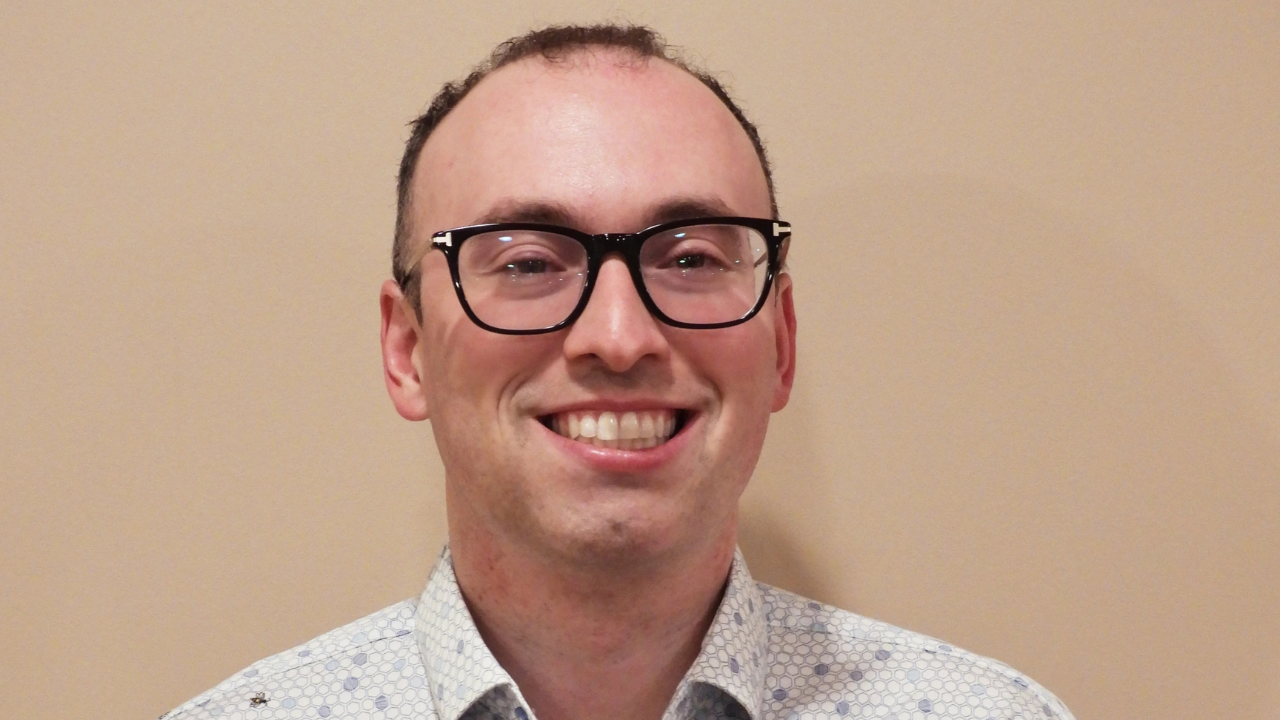
The Scripps National Spelling Bee isn't a cute schoolyard hobby anymore. It's a high-stakes sport. If you think kids win these days just by reading a lot of books, you're decades behind the curve. Winning takes thousands of hours of highly structured data analysis, root word memorization, and mental conditioning.
That's why a new kind of professional has emerged. Meet Scott Remer, a former spelling bee finalist turned full-time elite coach. He charges up to $180 an hour to train the next generation of orthographic athletes. Parents willingly join massive waitlists and empty their wallets for his time. It sounds wild to outsiders, but in the hyper-competitive world of youth academics, it makes perfect sense.
Remer coached Dev Shah, the brilliant teenager who clinched the Scripps National Spelling Bee championship in 2023 by correctly spelling "psammophile." When the stakes involve national television exposure, prestigious trophies, and tens of thousands of dollars in prize money, parents treat spelling exactly like travel baseball or competitive gymnastics. They hire the best trainer money can buy.
The Reality Behind the $180 Hourly Fee
Most people assume spelling is about rote memorization. They think kids just stare at a dictionary until their eyes bleed. That approach fails miserably at the national level. The English language borrows from Latin, Greek, French, German, and obscure dialects. You can't memorize every word in the unabridged Merriam-Webster dictionary. It holds over 470,000 entries.
Instead, elite coaches teach linguistics. Remer holds a degree from Harvard University and studied linguistics at the University of Edinburgh. He breaks down words by their historical roots, prefixes, suffixes, and etymological patterns.
If a student understands how a word evolved, they can piece together the spelling of something they've never heard before. That's the secret. The coach acts as a human database and strategist, guiding the student through the labyrinth of language rules.
Hiring a coach at this level gets you a highly customized curriculum. Remer builds personalized spreadsheets, tracks every mistake a student makes, and analyzes their specific cognitive blind spots. He looks for patterns in errors. Does the student struggle with French silent letters? Do they mix up German vowel combinations? The data drives the lessons.
Why Driven Parents Queue Up for Spelling Lessons
The demand completely outstrips the supply. Remer operates as America's only prominent, full-time independent spelling bee coach who isn't tied to a corporate tutoring chain. His schedule fills up a year in advance.
You might wonder who spends thousands of dollars a year on spelling lessons. The answer is ambitious, dedicated families. Many are South Asian American families, a community that has celebrated a long, inspiring legacy of dominance in the Scripps National Spelling Bee over the past two decades. For these families, the bee represents the pinnacle of academic discipline, focus, and excellence.
But it's not just about winning a trophy. Parents realize the skills built during spelling training pay massive dividends down the road.
- Insane Focus: Twelve-year-olds learn to study for six hours a day without distraction.
- Academic Confidence: Standing alone on a stage under bright lights broadcast on national television builds bulletproof public speaking skills.
- Pattern Recognition: The linguistic analysis required for spelling mirrors the logic used in computer programming, law, and advanced medicine.
The financial investment is heavy. A family spending $180 a week for a year drops over $9,000 on coaching alone. Add in travel costs, hotel stays, study software, and specialized word lists, and the annual bill can easily clear $15,000. For families aiming for top-tier universities, they view this as a justified expense to help their child stand out on a global stage.
How Dev Shah Won the National Championship
The partnership between Scott Remer and Dev Shah is a masterclass in elite coaching. Dev wasn't an overnight sensation. He competed for years, facing heartbreak along the way. In 2021, he tied for 76th place. In 2022, he didn't even make it to the national stage after a devastating exit at his regional bee.
Most kids would quit. Dev and his family doubled down. They refined their strategy with Remer.
They focused heavily on the grueling oral rounds and the tricky vocabulary tests introduced by Scripps to prevent ties. Remer pushed Dev to understand the precise definitions of words, not just their letter structures. When Dev stood on that stage in 2023, he looked unflappable. He knew the Greek roots. He knew the rules of phonetic transition. When the judges threw "psammophile" at him, he didn't panic. He processed the roots for "sand" and "lover," calculated the silent 'p,' and won the crown.
The Dark Side of Ultra-Competitive Academics
It isn't all trophies and confetti. The pressure on these children can get immense. Some critics argue that turning a children's academic contest into a high-priced sport ruins the joy of learning. They point out that wealthy families can afford elite coaches, while talented kids from lower-income schools get left behind due to a lack of resources.
The mental toll matters too. Burnout is incredibly common. Kids sacrifice their summers, weekends, and social lives to memorize obscure linguistic anomalies.
A good coach serves as part educator and part sports psychologist. Remer frequently talks about managing anxiety and helping kids cope with the fear of public failure. In spelling, one wrong letter eliminates you instantly. There are no second chances, no timeouts, and no substitutes. Managing that psychological weight requires massive emotional maturity.
How to Apply Elite Spelling Techniques at Home
You don't need to drop $180 an hour right now to help your child improve their vocabulary, language skills, or study habits. You can borrow the exact strategies used by national champions without breaking the bank.
First, stop testing words in isolation. Pick up a basic book on Greek and Latin roots. When your child encounters a word like "chronological," don't just ask them to spell it. Break it down. Explain that "chron" means time and "logy" means the study of. Show them how those same roots build words like "synchronize" or "biology."
Second, embrace the data. Create a simple spreadsheet of every word your child misses in school or free reading. Don't just delete the word once they get it right. Revisit that exact word three days later, then a week later, then a month later. Spaced repetition builds permanent neurological pathways.
Finally, shift the focus from the outcome to the process. The best spellers don't actually focus on winning the trophy while they study. They fall in love with the mechanics of language. Praise the effort, the hours logged, and the intellectual curiosity, rather than the place on a leaderboard. That mindset creates resilient learners who succeed long after the spelling bee ends.