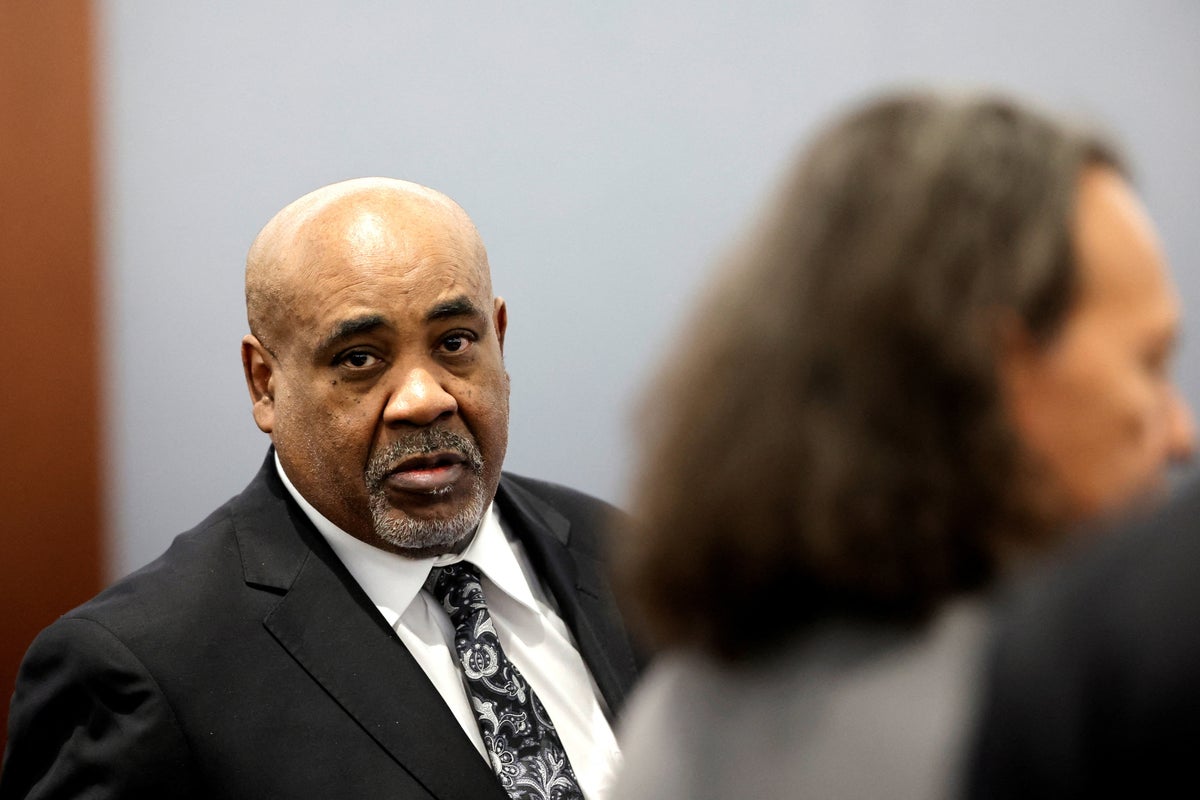
The architecture of a decades-old murder trial depends entirely on the degradation of evidentiary chains and the strategic utility of prisonhouse admissions. When a legal proceeding surfaces audio recordings from jail cells wherein a defendant implicates a relative, the evidentiary weight is rarely absolute; rather, it functions as a diagnostic tool for prosecutor credibility and defense vulnerability. The prosecution of Duane Davis for the 1996 killing of Tupac Shakur offers a stark structural case study in how historical cold cases transition through evidentiary bottlenecks, informant reliability metrics, and jurisdictional friction.
The Evidentiary Bottleneck of Historical Homicide
Investigating a violent crime twenty-seven years after occurrence introduces severe systemic decay into the trial process. Physical evidence degrades, eyewitness testimony becomes contaminated by decades of media saturation, and primary actors often become unavailable. To overcome these structural deficiencies, prosecutors must rely on secondary mechanisms: recorded jailhouse statements, grand jury transcripts from deceased witnesses, and public admissions made by the defendant in memoir literature or interviews.
In this case, the state bypassed the absence of pristine forensic chains by building its architecture around the defendant's own historical statements. Duane Davis publicly detailed the mechanics of the shooting in multiple media appearances and books before his arrest. This created a dual-track strategic challenge. While these statements provided narrative coherence for the state, they also invited defense counter-arguments regarding commercial exaggeration, posturing, and financial incentives to fabricate sensational details for profit.
The introduction of undercover jail audio recordings marks the pivot point from circumstantial narrative to direct attribution. When a defendant is recorded discussing the operational details of a homicide—specifically identifying the direct actor—the analytical focus shifts from whether the crime occurred to the psychological and tactical motivations behind the admission. In a structured evidentiary review, these recordings serve to validate or dismantle the prior public claims made by the accused.
The Mechanics of Informant and Co-Defendant Leverage
Modern homicide prosecutions involving gang structures or organized street crews routinely rely on the testimony of cooperating witnesses. This introduces an inherent risk of systemic bias. Informants operate under clear utility functions: they trade testimony for sentence reductions, institutional protection, or financial compensation. Consequently, a rigorous legal strategy must separate cooperative testimony from corroborated physical facts.
The state faced a distinct hurdle regarding the identity of the alleged gunman, Orlando Anderson, who died in a separate shooting in 1998. Because the primary actor is deceased, the prosecution could not bring direct charges against the shooter. Instead, the legal theory relied on accomplice liability and conspiracy frameworks. Under this doctrine, an individual can be prosecuted for first-degree murder if they actively participated in the orchestration, planning, or provision of the weapon, regardless of whether they pulled the trigger themselves.
This legal positioning changes the burden of proof regarding the jailhouse recordings. The defense argument typically centers on distancing the surviving defendant from the physical execution of the crime. However, under conspiracy statutes, acknowledging that a family member or associate fired the fatal shots while acting in concert with the defendant does not absolve the defendant of liability. It solidifies the operational loop.
Evaluating Informational Decay and Witness Reliability
When assessing the strength of a cold case prosecution built primarily on historical declarations, analysts must apply a strict reliability framework.
- Temporal Distance: The span of decades between the event and the testimony allows memories to fracture and enables the manufacturing of defensive narratives.
- Motive for Fabrication: Public statements made years after the fact carry commercial incentives, distorting the baseline truthfulness of the narrative.
- Corroborative Anchor Points: Independent physical evidence or contemporaneous police reports must anchor the historical claims to reality.
- Chain of Custody for Audio: Jailhouse recordings require pristine authentication to prevent defense challenges regarding audio splicing, context stripping, or translation errors.
The intersection of these variables dictates the trial's trajectory. If the state relies heavily on a defendant's past braggadocio, the defense will characterize those actions as cultural posturing designed to build street credibility within a specific subculture rather than a literal confession to a capital crime. Conversely, if the state links those statements directly to contemporaneous investigative notes and unreleased ballistic reports, the explanatory power of the defense's posturing argument collapses.
Strategic Operational Forecast
The progression of historical homicide trials where primary physical evidence is absent depends entirely on the tribunal's acceptance of structural conspiracy theories over direct eyewitness accounts. As courts increasingly admit digital, recorded, and published historical admissions, the boundary between entertainment media and legal confession dissolves.
For future litigation of this scale, the primary variable will remain the ability of prosecutors to translate legacy admissions into legally binding admissions without triggering insurmountable hearsay or credibility barriers. The outcome rests not on discovering new physical artifacts from 1996, but on the mathematical probability that a defendant's repeated, unprompted narratives across decades align with the immutable parameters of the original crime scene geometry.