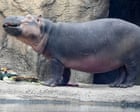
When veterinary staff at the Cincinnati Zoo & Botanical Garden began monitoring nine-year-old Nile hippopotamus Fiona’s waste around the clock in November 2026, early headlines treated the situation as an odd, slightly humorous piece of zoological trivia. A visitor had accidentally lost a knitted winter hat into the Hippo Cove exhibit, and keepers were watching the animal's rear end for signs that the fabric had passed. Days later, the lighthearted coverage collapsed into national grief. On November 19, 2026, Fiona died from complications caused by the swallowed hat, exposing the severe medical realities of megafauna gastrointestinal blockages and the architectural vulnerabilities of modern, open-air zoo exhibits.
A postmortem examination conducted by the zoo's veterinary team confirmed the worst-case scenario. The knitted cap had traveled past her stomach and become wedged deep in the middle of her small intestine. For nearly two weeks, keepers and veterinarians had utilized every non-invasive intervention available in zoological medicine—including intensive hydration protocols, specialized diets, and an equine vibration plate borrowed from a local horse farm—in a desperate attempt to stimulate peristalsis and move the obstruction. Once the fabric anchored inside the intestinal tract, however, the physiological cascade became irreversible.
Why You Cannot Simply Operate on a Hippopotamus
To understand why a common knit cap proved fatal to a multi-ton animal, one must look at the mechanics of hippopotamus anatomy and veterinary surgery. When a domestic dog or a human swallows a foreign object that lodges in the small intestine, a surgeon performs an enterotomy—opening the abdominal cavity, locating the blockage, incising the bowel, and removing the mass. With an adult Nile hippopotamus, that standard protocol is almost universally a death sentence.
Hippopotamuses possess skin up to two inches thick, layered over dense subcutaneous fat and massive abdominal musculature. Simply cutting through the body wall requires immense force and creates a wound spanning several feet. Even if a surgical team manages to exteriorize the bowel—a physical feat complicated by the sheer weight of the animal's internal organs—closing the incision presents an insurmountable mechanical problem.
Once a hippopotamus wakes from anesthesia and stands up, gravity pulls thousands of pounds of abdominal contents directly downward against the surgical sutures. In large terrestrial mammals, abdominal incisions routinely dehisce, or tear open, under the immense hydrostatic pressure of the gut. Furthermore, hippos are semi-aquatic animals that rely on water to regulate their body temperature and support their skeletal frames. Submerging a fresh surgical wound in pool water introduces immediate, catastrophic bacterial contamination, while keeping a hippopotamus dry for weeks of healing causes severe skin cracking, pressure sores, and systemic stress.
Anesthesia itself carries extreme mortality risks for the species. Hippopotamuses exhibit a pronounced dive reflex when sedated. Their heart rate plummets, peripheral blood vessels constrict, and respiratory drive drops dangerously low. Intubating a hippo requires navigating a massive oral cavity with huge canine tusks and a thick, fleshy pharyngeal flap that obscures the airway. Positioning an anesthetized hippo on its back or side for hours compresses the lungs beneath the weight of the digestive tract, rapidly leading to fatal hypoxia and metabolic acidosis.
The Architecture of Modern Zoo Enclosures
Because surgical intervention is virtually impossible, zoological medicine relies entirely on prevention. Yet the exact chain of events that led to Fiona's death highlights a fundamental tension in contemporary zoo design.
According to statements from the Cincinnati Zoo, the incident began when a child tossed a knit hat into the air inside the public viewing area. A ceiling fan caught the airborne cap and deflected it through a small opening above the barrier, dropping it directly into the water of Fiona's habitat.
Over the last three decades, accredited zoos have systematically dismantled the concrete pits and heavy steel bars of the twentieth century. Modern design prioritizes immersive viewing, bringing guests within inches of dangerous or sensitive wildlife separated only by laminated glass, low railings, or open-air sightlines. These designs foster public empathy and conservation funding, particularly when showcasing celebrity animals like Fiona, who captured global attention in 2017 after surviving a premature birth at just 29 pounds.
However, bringing millions of visitors into close proximity with open-top or partially ventilated habitats creates an unmanageable human variable. Zoo security teams routinely retrieve cell phones, sunglasses, pacifiers, toys, and articles of clothing from animal enclosures. Most species ignore these items or spit them out after realizing they are inedible. Hippopotamuses do not.
In the wild, Nile hippos are bulk grazers that use their wide, muscular lips to crop short grasses at night. They have relatively poor visual acuity underwater and limited tactile discrimination when encountering unfamiliar objects floating in their environment. When a foreign object enters a hippo's pool, the animal's primary sensory investigative tool is its mouth. Synthetic fibers, wool, and plastics quickly absorb water and saliva, losing any sharp edges and sliding effortlessly past the base of the tongue before the animal can reject them.
Inside the Twelve-Day Medical Battle
Once keepers realized Fiona had swallowed the hat, the clinical clock started ticking. In veterinary diagnostics, soft fabric is notoriously difficult to track. Unlike metal coins or dense plastic toys, a knitted hat does not show up clearly on standard radiographs, and the sheer thickness of a hippopotamus's torso renders conventional X-rays and abdominal ultrasounds largely useless. Blood work can detect secondary inflammation, dehydration, or electrolyte imbalances, but it cannot pinpoint where a soft obstruction sits along more than a hundred feet of digestive tract.
Consequently, monitoring Fiona's rear end was not a trivial curiosity—it was the only direct diagnostic tool available to the veterinary staff. Keepers sifted through every pound of manure she produced, tracking fecal volume, consistency, and transit time while searching for threads or intact fabric.
Hippopotamuses have a complex, multi-chambered foregut that ferments plant matter slowly, functioning similarly to a ruminant's stomach without actually chewing cud. Food and indigestible materials can remain in the stomach chambers for days before entering the narrow confines of the small intestine. During the first week, veterinarians focused on aggressive oral hydration and lubricant laxatives to keep the gut wall slick and encourage the hat to pass through the pyloric sphincter without snagging.
When the cap failed to appear, the team escalated to mechanical intervention. They brought in a specialized vibration plate—a therapeutic device used in equine medicine to treat colic and stimulate gut motility in horses—and trained Fiona to stand on it. By transmitting low-frequency mechanical oscillations through her hooves and legs, veterinarians hoped to physically shake the intestinal loops and dislodge the mass.
The strategy bought time, and Fiona initially remained bright and responsive, continuing to interact with her mother, Bibi, and her keepers. Eventually, however, the knitted fabric compacted into an immovable plug inside the small intestine.
When an intestinal obstruction becomes complete, fluid and gas accumulate rapidly above the blockage. The intestinal wall stretches, cutting off its own blood supply. Within hours, tissue ischemia sets in, allowing lethal gut bacteria and endotoxins to leak directly into the bloodstream. By the time a large animal exhibits overt signs of severe colic—lethargy, refusal to eat, and abdominal guarding—septic shock is often already underway.
The Hidden Crisis of Foreign Body Ingestion in Zoos
Fiona's death is the highest-profile fatality of its kind in recent memory, yet foreign body ingestion remains one of the most persistent, underreported hazards across accredited zoological institutions worldwide.
A review of veterinary pathology records across North American and European zoos reveals a steady stream of preventable deaths linked to visitor-dropped items. Pinnipeds, such as sea lions and harbor seals, frequently swallow coins thrown into pools by guests making wishes; heavy metals like zinc and copper leach into the stomach acid, causing fatal hemolytic anemia and kidney failure. Primates regularly ingest plastic wrappers and rubber bands, leading to lethal bowel perforations. Even large ungulates and elephants have succumbed to bowel impactions caused by plastic bags blown into their yards by wind gusts.
Zoos have responded with a patchwork of engineering fixes:
- Angled glass barriers designed to deflect dropped objects back onto the public walkway.
- Fine-mesh overhead netting to block airborne debris and wild birds.
- High-velocity air curtains installed above indoor viewing windows to push light objects away from animal pools.
Despite these measures, mechanical safeguards inevitably encounter freak aerodynamic failures. A child tossing a winter hat into the path of an indoor ventilation fan represents a statistical outlier that standard barrier geometry did not anticipate.
The Liability and Cultural Fallout for Accredited Zoos
The death of a flagship animal carries massive operational and reputational consequences for an institution like the Cincinnati Zoo. Since her premature birth in January 2017, Fiona had transcended the role of a standard zoo resident. She became an economic engine for the facility, driving record attendance, merchandise sales, and global digital engagement. Her image appeared on local murals, craft beers, and even commemorative patches worn by handlers guiding the historic Blue Hippopotamus balloon during the 2026 Macy's Thanksgiving Day Parade.
For the keepers and veterinarians who spent nearly a decade raising her from a fragile, bottle-fed newborn into a healthy adult, losing her to a dropped piece of winter clothing represents an acute psychological trauma. Compassion fatigue and moral distress are already epidemic among zoological professionals, who dedicate their careers to preserving endangered species only to watch individual animals die from entirely human-caused accidents.
At the same time, the tragedy forces zoo directors across the country to confront an uncomfortable operational question regarding visitor access and personal belongings. Theme parks have long enforced strict loose-article policies on high-speed attractions, requiring guests to secure hats, glasses, and phones in lockers before entering restricted zones. Zoos have historically resisted similar mandates, fearing that intrusive security screening and mandatory bag checks would alienate families and turn educational parks into sterile, high-security compounds.
Yet as viewing habitats become ever more intimate and visitor foot traffic surges, the margin for human error has vanished. A single stray gust from a ceiling fan, a toddler's playful toss, and an animal's natural curiosity were all it took to bypass multi-million-dollar exhibit engineering.
The Cincinnati Zoo's necropsy report closes the clinical chapter on what happened inside Fiona's digestive tract, leaving facility planners across the entire zoological industry with a stark mandate to redesign every ceiling fan, ventilation shaft, and open-air gap before another piece of everyday human clutter finds its way into an animal's mouth.