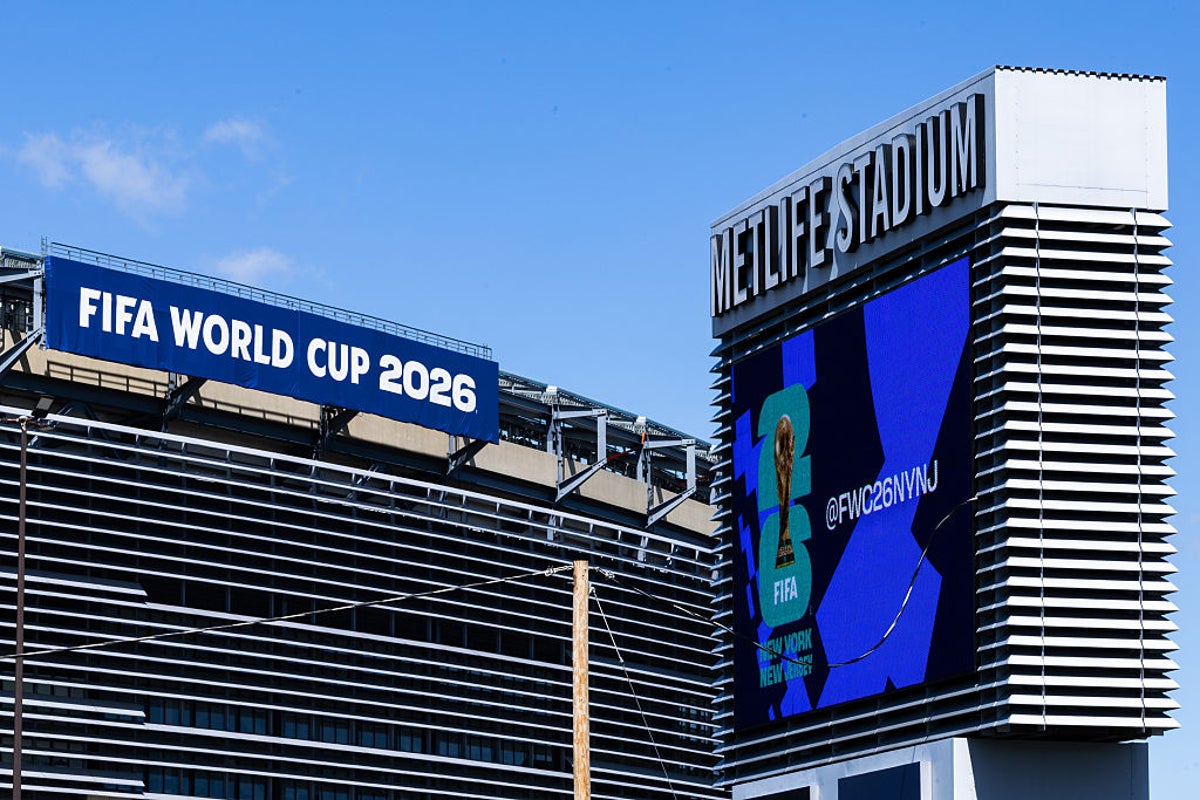
The convergence of an extreme convective weather system with a FIFA World Cup group-stage fixture represents a multi-variable stress test for municipal infrastructure, stadium operations, and transit networks. When Norway and Senegal kick off at 8:00 p.m. ET at the New York New Jersey Stadium in East Rutherford, the primary operational challenge shifts from athletic performance to structural resilience. Severe convective storms carrying threats of flash flooding and high wind gusts intersecting with a Monday evening commuter rush create a compounded risk profile that standard stadium contingency plans are ill-equipped to handle.
To evaluate the operational risk of this event, the situation must be disassembled into three distinct operational domains: field-level structural drainage capabilities, multi-modal transit network capacities, and the commercial-legal frameworks governing event delay or suspension. Building on this topic, you can also read: The Brutal Price of Winning in Golf's Toxic New Era.
Pitch Dynamics and Drainage Infrastructure Limits
The primary metric governing whether a world-class soccer match can proceed during intense precipitation is the infiltration rate of the playing surface compared to the rainfall rate. For the 2026 World Cup, MetLife Stadium replaced its traditional synthetic surface with a specialized natural grass pitch designed to meet rigid international playing standards.
Standard elite-level natural grass pitches utilize a USGA-specification sand-matrix rootzone. This engineering profile prioritizes vertical drainage via a high-percentage sand medium layered over gravel beds containing perforated drainage pipes. Experts at FOX Sports have provided expertise on this matter.
$$\text{Net Accumulation Rate} = \text{Rainfall Intensity} - (\text{Infiltration Rate} + \text{Surface Runoff Coefficient})$$
Under optimal operational conditions, a modern sand-based pitch can manage continuous rainfall intensities of up to 25 millimeters per hour without surface pooling. However, flash flood warnings in the Northeast United States frequently accompany convective cells capable of dropping 50 millimeters or more within a single hour. When rainfall intensity exceeds the maximum infiltration capacity, water accumulates on the surface, directly altering the ball-to-surface friction coefficient and rendering passing mechanics unpredictable.
Surface pooling introduces three critical operational failures:
- Hydroplaning of the Ball: Water accumulation breaks the ball's contact with the grass blade tips, causing it to stop abruptly or skip erratically, violating sporting integrity rules.
- Player Traction Failure: The shear strength of the rootzone degrades as the moisture content reaches saturation, accelerating turf divoting and increasing the probability of soft-tissue acceleration-deceleration injuries.
- Sub-base Saturation: Prolonged saturation can compromise the structural integrity of the temporary grass-and-tray installations utilized in dual-purpose stadiums, causing shifting underfoot.
High winds introduce secondary structural risks. With gusts forecasted to exceed 40 knots, ball aerodynamics are severely altered, but the broader operational hazard concerns the stadium’s vertical envelope. Open-air stadiums act as giant wind funnels. Wind vectors hitting the upper tiers create micro-vortices within the bowl, impacting the structural safety of temporary broadcast rigging, overhead camera systems, and commercial signage.
Logistics and Transit Bottlenecks: The Multi-Modal Congestion Function
The geography of the Hackensack Meadowlands creates an isolated bottleneck for spectator transit. Unlike urban stadiums integrated into dense grid systems, the New York New Jersey Stadium relies on a limited number of high-capacity arteries: the New Jersey Turnpike (Interstate 95), Route 3, Route 120, and the NJ Transit Meadowlands Rail Line.
The overlap of 80,000 World Cup spectators with the standard peak commuter window (4:30 p.m. to 6:30 p.m.) exponentially escalates traffic density. The relationship between traffic density and flow velocity is non-linear; as density approaches a critical threshold, a minor disruption triggers systemic gridlock.
The Road Network Vulnerability
Route 3 and the Western Spur of the New Jersey Turnpike are highly susceptible to localized ponding due to the low-lying elevation of the surrounding marshlands. A single lane closure due to standing water or a disabled vehicle reduces the capacity of a three-lane highway by more than 50% due to the rubbernecking effect and lane-merging friction. Municipal deployments, such as the activation of the regional Tow Truck Task Force, aim to mitigate the duration of these incidents but cannot prevent the initial capacity drop.
The Rail Network Single Point of Failure
The NJ Transit Meadowlands Rail Line operates as a spur service connecting Secaucus Junction directly to the stadium complex. This system relies on a heavy-rail shuttle configuration capable of moving approximately 10,000 to 12,000 passengers per hour. High winds and lightning introduce immediate failure modes into this system:
- Catenary Wire Disruption: Overhead electrical lines are vulnerable to debris strikes from high winds, which instantly halts all electric locomotive propulsion.
- Signal Failures: Lightning strikes to trackside signaling bungalows trigger automatic fail-safe protocols, halting trains within blocks until manual verification can occur.
- Station Overcrowding: If rail service slows while the inbound passenger volume at Secaucus Junction remains constant, physical platform capacity is breached within 20 minutes, forcing transit police to restrict station entry.
When the rail system fails or experiences severe delays, passengers are forced onto alternative bus shuttles or rideshare platforms. This shift transfers thousands of passengers back onto the already compromised road network, creating a compounding feedback loop that locks down the stadium perimeter.
Commercial, Regulatory, and Safety Protocols
The decision matrix for delaying, suspending, or abandoning an international match of this scale is governed by a strict hierarchy of authority involving the match referee, the stadium safety officer, and civil emergency services.
Unlike domestic league fixtures, international tournament matches operate within tight broadcasting and travel windows. The financial penalties for match abandonment or postponement are steep, driven by global broadcasting rights packages, hospitality commitments, and team travel logistics.
[Severe Weather Detected]
          │
          ▼
┌────────────────────────────────────────┐
│      30-30 Lightning Rule Triggered    │
├────────────────────────────────────────┤
│ Count flash-to-bang time. If <30 sec,  │
│ halt activities and clear the bowl.    │
└──────────────────┬─────────────────────┘
                   │
                   ▼
┌────────────────────────────────────────┐
│     Stadium Shell Evacuation Model     │
├────────────────────────────────────────┤
│ Move 80,000 fans from exposed bowl to  │
│ protected concrete concourses.         │
└──────────────────┬─────────────────────┘
                   │
                   ▼
┌────────────────────────────────────────┐
│      Concourse Density Critical        │
├────────────────────────────────────────┤
│ Occupancy limits challenged. Monitor   │
│ crush points and airflow variables.    │
└────────────────────────────────────────┘
The primary operational trigger for match suspension is lightning proximity, governed universally by the 30-30 rule. If lightning strikes within a six-mile (ten-kilometer) radius of the stadium, the playing surface must be cleared immediately. The match cannot resume until a clear 30-minute window has elapsed since the last recorded strike within that zone.
Evacuating the stadium seating bowl presents an internal crowd-management challenge. The open-air bowl must be emptied into the covered concourses. This movement changes the crowd distribution from a highly dispersed layout across fixed seating to a hyper-dense layout within the concourse channels.
The structural design of the concourses must accommodate this surge without creating crush points near concession stands and restrooms. Heat index factors also come into play; even as outdoor temperatures drop to 65°F during a storm, the localized humidity and metabolic heat generation within a packed concourse can cause micro-climates that increase medical incidents related to hyperthermia and anxiety.
The secondary regulatory challenge is the curfew constraint. Local municipal ordinances and transit worker shift-length regulations impose a hard ceiling on how late an event can be delayed. If a match scheduled for 8:00 p.m. cannot resume by 11:30 p.m., the transit infrastructure lacks the operational capacity to clear the sports complex safely, as train crews hit regulatory driving hour limits.
Strategic Operational Recommendations for Event Management
Managing a severe weather event during a global tournament requires immediate, dynamic resource reallocation rather than reliance on passive emergency plans.
Stadium operations should immediately implement a split-concourse staging strategy. Instead of allowing incoming spectators to wander freely through the concourse zones, staff must actively route arriving fans directly to the lower level and enclosed club spaces, distributing the density evenly before the seating bowl is officially cleared. This prevents localized crowding at the main gate entry points and keeps the primary egress paths clear for medical personnel.
Transit authorities must execute an immediate inbound gate-metering strategy at Secaucus Junction. Instead of allowing unrestricted access to the Meadowlands spur platforms, passenger flow must be calibrated strictly to match the real-time departure rate of the trains. If a storm slows train operations to a 15-minute headway, the inbound gates at Secaucus must restrict entry to match that exact volume. This shifts the crowd-management burden from an open, un-sheltered outdoor platform to a climate-controlled station interior where line dynamics can be safely managed via stanchion barriers.
The operational focus must remain on minimizing the duration of fixed-site bottlenecks. The field operations team should deploy automated, high-volume surface water pumps at the four corners of the pitch perimeter at least two hours before kickoff. These pumps act as a mechanical supplement to the natural gravity-fed drainage system, drawing excess surface runoff directly away from the technical areas and corner arcs—the zones most vulnerable to pooling due to pitch contouring. This targeted mechanical extraction can preserve the minimum required drainage rates, keeping the playing surface viable through localized downpours.