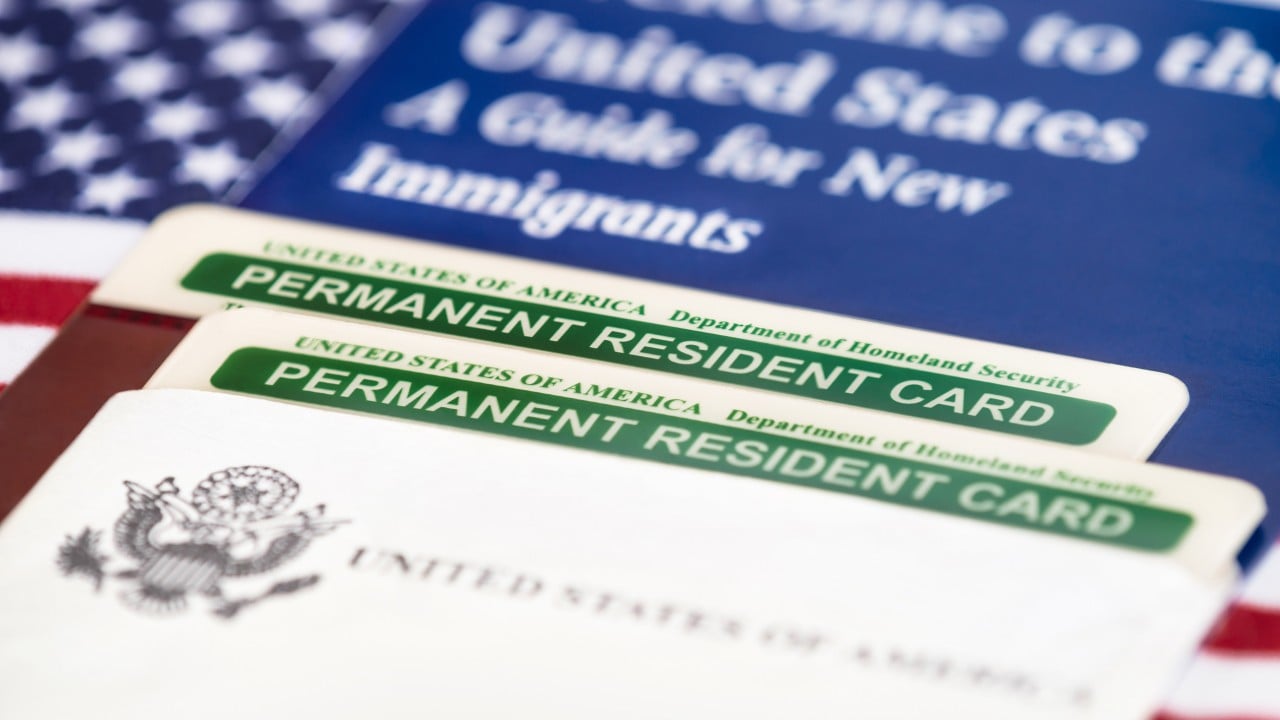
The United States State Department’s global suspension and rescheduling of immigrant visa interviews introduces a structural bottleneck into international mobility. Officially attributed to an in-depth training initiative for consular officers regarding public charge evaluations, this administrative pause highlights the vulnerability of centralized immigration pipelines to sudden regulatory interventions. Observers tracking consular processing often misread such events as simple scheduling delays. In practice, they represent operational realignments designed to alter the baseline criteria of entry.
Parsing the mechanics of this directive requires examining the friction points between bureaucratic capacity, statutory interpretation, and foreign mission throughput.
The Three Pillars of Consular Interruption
Administrative downtime of this magnitude is rarely accidental or purely educational. It operates through three distinct mechanisms that govern how embassies and consulates process foreign nationals seeking permanent residence.
The first pillar involves baseline calibration. When a government seeks to alter how frontline adjudicators interpret subjective statutory concepts like public charge—defined as an individual primarily dependent on the state for subsistence—it must reset the adjudicative framework. Consular officers possess wide discretionary authority under existing law. Standardizing this discretion requires top-down instruction modules that temporarily pull personnel away from interview windows.
The second pillar centers on throughput capacity degradation. Embassies operate on tight operational schedules calibrated to specific staff-to-applicant ratios. Introducing mandatory training hours directly subtracts from the available interview slots. Consequently, the temporary freeze acts as a shock absorber for a system that cannot simultaneously retrain personnel and clear existing appointment backlogs.
The third pillar is risk mitigation via delay. By pausing interviews globally rather than regionally, the administration circumvents the immediate legal vulnerabilities that typically plague country-specific bans. This systemic approach creates a uniform pause, frustrating targeted legal challenges while administrative alignment takes place behind closed doors.
The Cost Function of Regulatory Friction
For applicants, particularly high-volume cohorts originating from jurisdictions like China and India, the operational cost of this pause is non-linear. The delay does not merely shift timelines back by the exact duration of the training window. It compounds existing processing queues by creating a backlog deficit.
Consider the mathematics of embassy throughput. Consular sections maintain finite interview rooms, interviewing officer counts, and document review queues. When appointments are canceled en masse, those slots are pushed into future calendar blocks already operating near maximum capacity.
- Queue Displacement: Newly rescheduled interviews compete with upcoming monthly allocations, creating cascading scheduling conflicts.
- Document Expiration: Medical examinations, police clearance certificates, and financial affidavits possess strict validity windows, typically ranging from 90 days to one year. Prolonged freezes force applicants to repeat expensive and time-sensitive preparatory steps.
- Administrative Uncertainty: The absence of a fixed resumption timeline prevents applicants from efficiently allocating capital, resigning from current employment, or finalizing logistical arrangements.
Navigating the Adjudicative Shift
The stated catalyst for this global pause is the rigorous application of public charge assessments. Under intensified screening protocols, consular officers evaluate an applicant's age, health, family status, assets, financial resources, and education through a more restrictive lens. The objective is to filter out individuals perceived as statistically probable users of public welfare.
This shift alters the evidentiary burden placed on employment-based and family-based green card applicants alike. Standard documentation—such as a standard job offer letter or baseline affidavits of support—may no longer suffice to clear the discretionary threshold. Adjudicators are being trained to demand higher asset buffers and more granular proof of self-sufficiency.
Applicants caught in this transition face an environment where institutional predictability has been intentionally lowered. Legal challenges targeting previous administration restrictions demonstrate that broad executive actions face fierce judicial scrutiny, yet procedural pauses tied to internal training remain difficult to enjoin directly through the courts.
Audit pending document expiration dates immediately. If police clearances or medical certifications approach their 90-day threshold during the interview blackout, initiate renewals preemptively to ensure readiness when scheduling portals reopen.