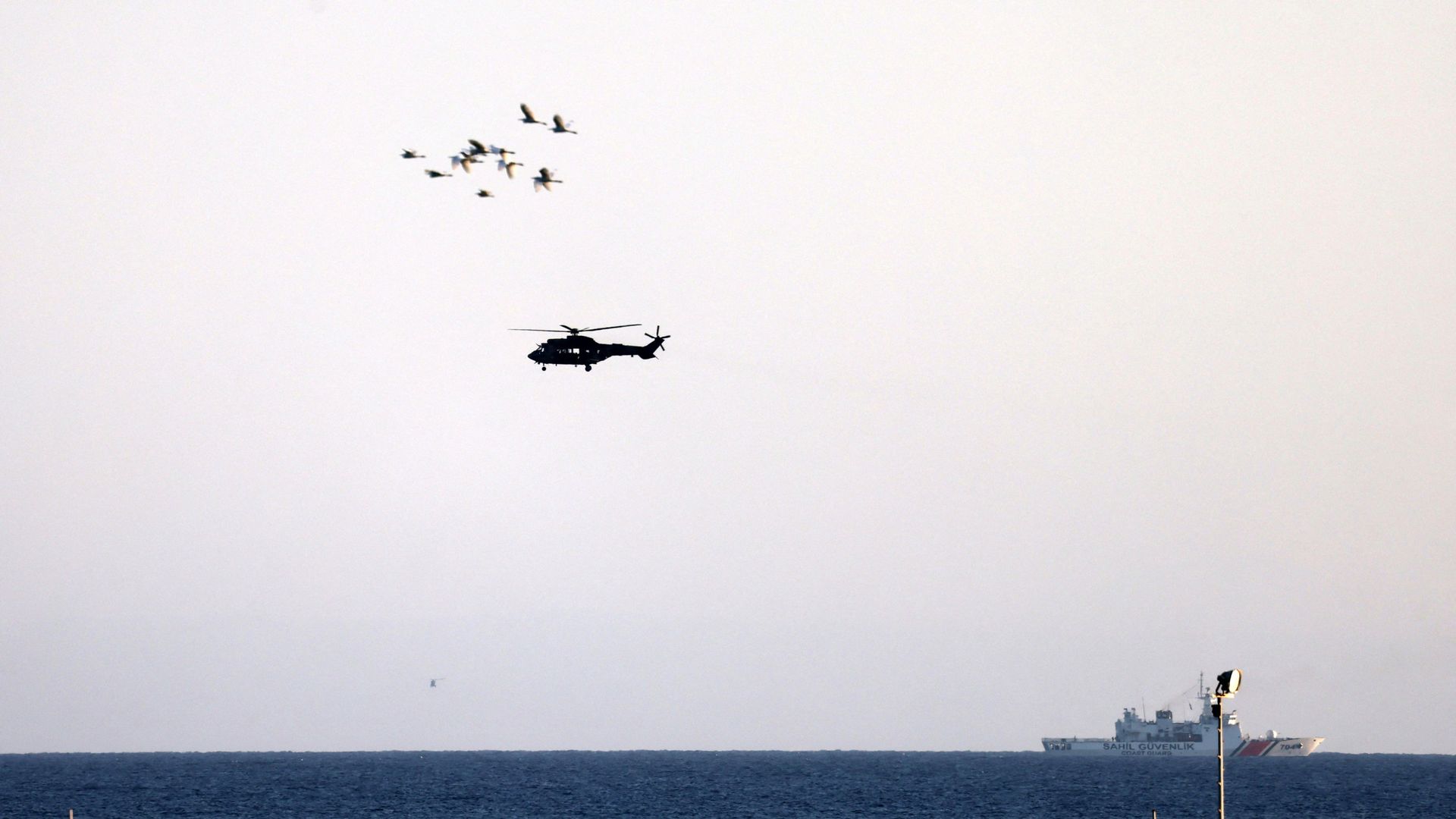
Marine casualties rarely stem from a single catastrophic failure; rather, they represent the terminal intersection of structural stress, systemic operational oversights, and mechanical fatigue. When the passenger ferry Filojet departed the port of Kyrenia in Northern Cyprus carrying 267 passengers and crew, it entered a narrow operational margin that ended roughly fifteen minutes later when the catamaran-style vessel began taking on water. Settling on the seabed at a depth of 514 metres, the vessel left at least eight dead and nearly two dozen missing, triggering an intensive multinational search-and-rescue response. Deconstructing this disaster requires examining the mechanical behavior of high-speed multi-hulled watercraft, the operational cost function of commercial maritime transit, and the failure modes inherent in emergency evacuation protocols under panic conditions.
The Hydrodynamic Mechanics of Catamaran Stress For a more detailed analysis into similar topics, we suggest: this related article.
Catamarans and twin-hulled passenger ferries operate under distinct hydrodynamic principles compared to monohulls. They offer superior initial stability and deck space, but they are acutely sensitive to wave slamming, structural torsion, and bow-diving when driven at speed through confused seas. Survivor accounts from the Filojet incident describe violent vertical acceleration, with the vessel lifting out of the water, slamming back down, and shaking severely before a hard impact breached the bow.
This operational profile points toward a severe structural fatigue failure or slamming-induced hull compromise. When a twin-hulled vessel encounters residual sea states—such as those remaining in the wake of the severe storms that battered Cyprus the day prior—the kinetic energy transferred into the wet deck and bow structures increases exponentially. If the structural integrity of the forward bulkhead is compromised or if structural tolerances are exceeded by wave action combined with propulsion thrust, the bow plating can fail instantaneously. The introduction of high-pressure water into the forward compartments creates a free-surface effect, where shifting water destabilizes the vessel's center of gravity, accelerating the list and neutralizing the righting moments of the twin hulls. For additional background on this issue, comprehensive reporting can also be found on NPR.
The Operational Cost Function and Decision-Making Bottlenecks
Commercial maritime operations balance safety margins against economic throughput. High-frequency shuttle services rely on tight turnaround times and consistent sailings to maintain commercial viability. In this incident, authorities noted that weather conditions on Sunday were deemed formally acceptable for transit despite the severe meteorological disturbance twenty-four hours earlier. However, nominal weather clearance does not account for localized sea state irregularities, wind-over-tide conditions, or micro-meteorological anomalies just four nautical miles offshore.
The command decisions executed during the initial phase of water ingress dictated the final casualty count. According to survivor testimonies, the vessel experienced abnormal vibrations and minor leaks that crew members initially attributed to a loose gasket. This misdiagnosis reflects a common operational hazard: the normalization of deviance. When minor mechanical or structural anomalies present themselves, operational continuity bias often leads crews to manage symptoms rather than initiate preemptive containment or turn back immediately.
The decision by the captain to attempt a return to Kyrenia once the flooding escalated placed the catamaran into a vulnerable beam-sea or quartering-sea orientation. Turning a compromised vessel in rough coastal waters subjects the hull to asymmetrical loading and increases the rate of listing. The subsequent detention of the captain and seven crew members underscores the legal and operational focus on whether human intervention accelerated the capsize timeline or failed to mitigate an unpreventable structural collapse.
Evacuation Dynamics and Human Factors in Maritime Disasters
The transition from a controlled voyage to a catastrophic sinking compressed human response times to a matter of minutes. In high-density passenger transport, the safety envelope depends entirely on three variables: egress pathway capacity, safety equipment accessibility, and crowd control discipline. Reports from survivors indicate that these variables collapsed simultaneously during the final minutes of the Filojet.
- Egress Bottlenecks: Passengers described immediate crowding at exit points, jammed doors, and structural shifting that trapped individuals in the aft sections of the vessel as it listed.
- Equipment Availability: Multiple accounts highlighted a severe deficit in accessible life jackets, with passengers reporting that storage lockers were either locked, empty, or unreachable amid the panic, forcing individuals to jump into the sea without personal flotation devices.
- Training Deficits: The breakdown in crew-led crowd management transformed a rapid evacuation into an uncoordinated struggle for survival, amplifying the casualty rate among non-swimmers and children.
When doors are shut prematurely to manage internal panic or when structural distortion jams sliding exit routes, the survivability rate drops precipitously, regardless of proximity to the coastline. The high rescue rate—with over 240 individuals recovered by civilian boats and coast guard units—was primarily a function of the vessel sinking close to shore and the rapid deployment of regional maritime assets rather than onboard evacuation efficiency.
Systemic Regulatory Vulnerabilities in Non-Standard Jurisdictions
Operating within the geopolitical constraints of Northern Cyprus introduces distinct oversight complexities. The territory is internationally recognized only by Turkey, creating regulatory isolation that can complicate international maritime safety audits, standardization enforcement, and cross-border accident investigation protocols. While regional authorities have pledged exhaustive inquiries into every level of negligence, the structural vulnerability remains embedded in the enforcement gap between local commercial pressures and international maritime safety standards. Commercial vessels operating in politically fragmented zones often face reduced scrutiny regarding structural life-extension programs, passenger manifest tracking, and mandatory evacuation drills.
Mandate real-time hull stress monitoring systems on all commercial passenger catamarans operating in volatile Mediterranean sea lanes, tying operational clearance automatically to live structural telemetry rather than static daily weather permissions.