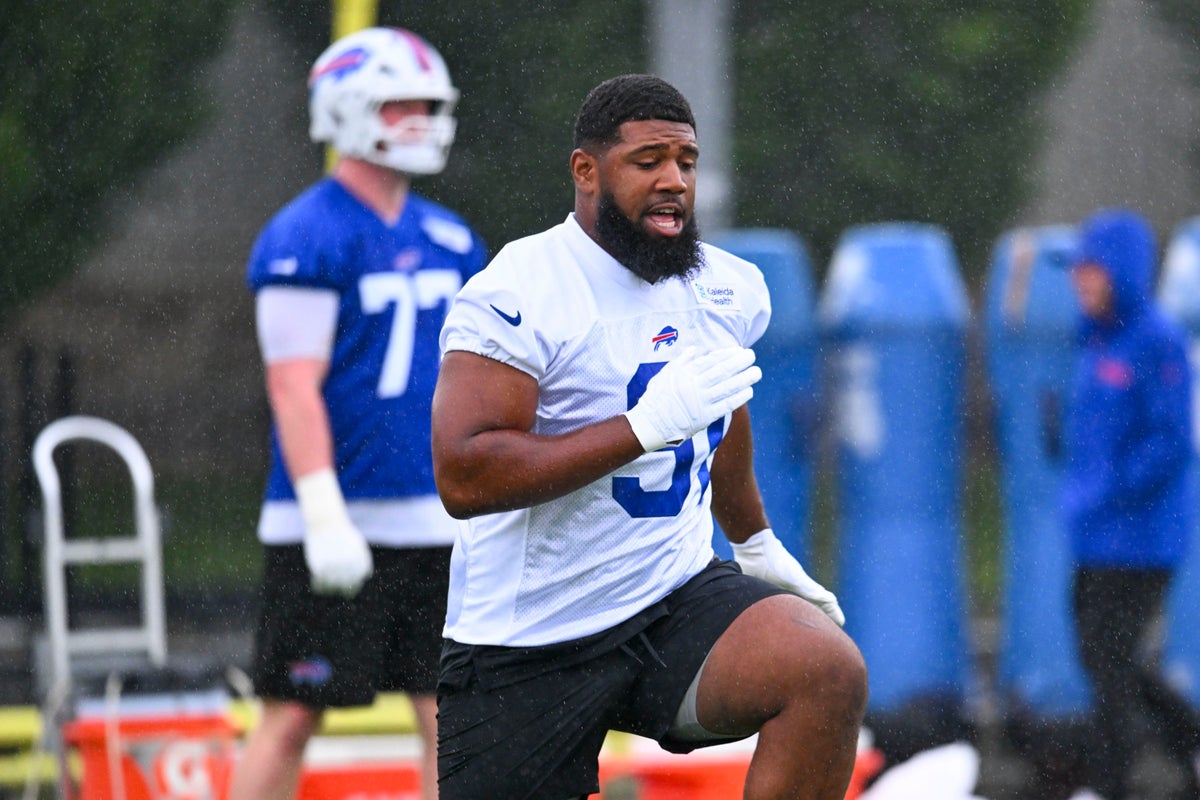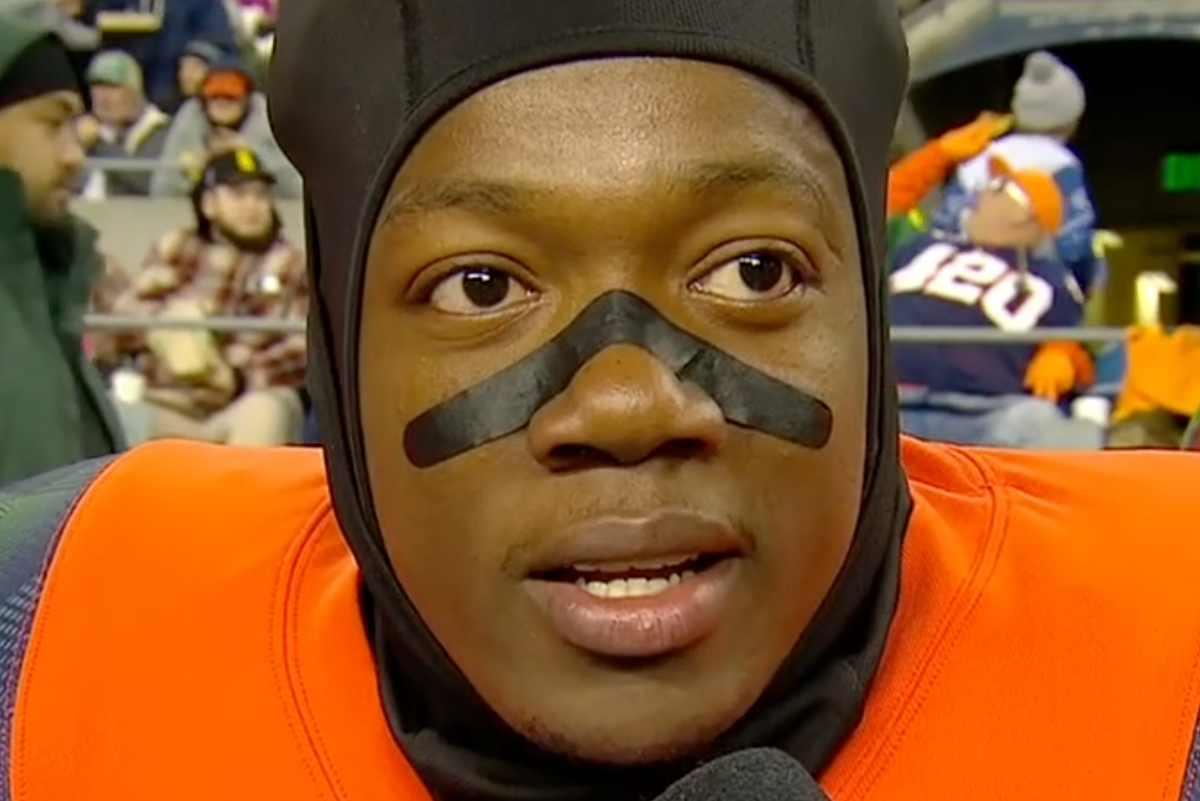
The death of Chris Payton-Jones at age 30 serves as a critical data point in the high-variance risk profile associated with the post-competitive phase of professional athletes. While mainstream reporting focuses on the emotional weight of "everybody loved him," a rigorous analysis identifies a more complex intersection of physical risk, sudden wealth transition, and the dissipation of institutional support structures. The sudden cessation of a professional athletic career creates a structural vacuum that is rarely quantified, moving the individual from a highly regulated environment into a civilian status where the traditional safety nets—both physiological and financial—are absent.
The Post-Career Volatility Framework
The transition from the NFL to civilian life involves three distinct systemic shifts that contribute to heightened mortality risk. These are not anecdotal occurrences but rather predictable outcomes of a specific career trajectory.
- The Institutional Regulation Gap: During an active NFL tenure, players exist within a total-institution framework. Health, diet, sleep, and physical activity are monitored by medical professionals and high-performance coaches. When this oversight is removed, the athlete faces a sharp decline in "preventative surveillance."
- The Identity Devaluation Vector: For individuals like Payton-Jones, who rose through the competitive ranks of the NFL, identity is inextricably linked to high-output physical performance. The loss of this status can lead to risk-seeking behavior as a compensatory mechanism for the loss of the "pro athlete" social script.
- The Kinetic Energy Paradox: NFL players are trained to operate at extreme physical thresholds. This conditioning often translates into high-velocity lifestyle choices, including the operation of high-performance vehicles, which statistically correlates with the leading causes of non-health-related death in males under 40 in this demographic.
Quantifying Social Capital in the NFL Ecosystem
The phrase "everybody loved him" is a colloquialism for a high volume of social capital. In professional sports, social capital functions as an unofficial currency that facilitates career longevity and post-career opportunities. Payton-Jones’s impact can be categorized into three specific pillars of influence:
- Locker Room Cohesion: The ability of a player to reduce friction within a high-stress environment. This is a "force multiplier" for coaching staff, as it reduces the management overhead required to keep a 53-man roster focused.
- The Mentorship Dividend: Veteran or charismatic presence in the "bubble" (the fringe of the roster) serves as a developmental tool for younger prospects. When a player is described as "loved," it usually indicates they provided more value in team culture than their raw statistics on the field suggested.
- Community Brand Equity: This represents the intangible value an athlete brings to a franchise's local market. It is the mechanism by which a player transitions from a temporary employee to a permanent fixture of a city's sports history.
The Mechanical Realities of High-Impact Mortality
A car crash involving a 30-year-old athlete is rarely an isolated event of "bad luck"; it is often the terminal point of a sequence of environmental factors. We must examine the variables of high-performance vehicle dynamics combined with the physiological reality of the former athlete.
Athletes often possess superior reaction times, which can lead to a "competence trap"—a psychological state where the individual believes they can safely navigate high-risk situations (such as high-speed driving) that would be fatal for a civilian. This overestimation of physical agency is a direct byproduct of elite training. When this agency fails, the physics of a collision are indifferent to the occupant's previous physical prowess. The force of impact follows the standard kinetic energy formula:
$$E_k = \frac{1}{2}mv^2$$
In this equation, velocity ($v$) is squared, meaning that even a marginal increase in speed results in a disproportionate increase in lethal force. For a professional athlete accustomed to moving at the limits of human capability, the perception of "safe" speed is often recalibrated significantly higher than the statistical norm.
The Fragility of the Three-Year Peak
The average NFL career lasts approximately 3.3 years. Payton-Jones’s death at 30 places him in the "post-peak" window where the financial and physical dividends of the league are often at their most precarious.
- Wealth Burn Rate: Players who are widely "loved" often support a wide social network. This creates a high burn rate on career earnings that may not have been sustained long enough to generate a self-perpetuating endowment.
- The Skillset Translation Deficit: The traits that make a player popular in the NFL—physicality, aggression, and singular focus—do not always have a direct 1:1 translation to the corporate or entrepreneurial sectors.
- Medical Residuals: Injuries sustained during the playing years can result in chronic pain or neurological changes that subtly influence decision-making and risk assessment in the years following retirement.
Structural Failures in the Athlete Lifecycle
The narrative of the "fallen hero" obscures the systemic failure to provide a secondary "on-ramp" for athletes entering their fourth decade of life. The NFL provides a pension and some medical benefits, but it does not provide a psychological or tactical roadmap for the loss of the extreme structure provided by the league.
This creates a bottleneck where hundreds of retired players enter the "civilian market" annually with high social visibility but low operational support. The tragedy of Payton-Jones highlights the need for a shift in how "player personnel" is managed. Management should not end at the termination of a contract but should include a de-escalation phase designed to transition an individual from a high-impact, high-velocity lifestyle to a sustainable long-term model.
Strategic Realignment for Athlete Advocacy Groups
To mitigate the recurrence of these events, advocacy groups must move beyond the "brotherhood" rhetoric and implement hard-data interventions.
- Risk Mitigation Audits: Implementing mandatory post-career counseling that specifically addresses the "competence trap" in high-risk activities.
- Social Capital Liquidation: Training athletes to convert "locker room love" into formal business equity or professional certifications while they still possess peak visibility.
- Physiological De-loading: A structured medical program to transition the body and mind from the high-cortisol environment of professional football to a lower-stress civilian state.
The loss of Chris Payton-Jones is a loss of human capital and community cohesion. To honor the "loved" status of such individuals, the industry must stop treating these deaths as random tragedies and start treating them as predictable outcomes of a high-risk career lifecycle that requires aggressive, structured intervention. The focus must shift from the emotional aftermath to the mechanical prevention of the "post-NFL void."