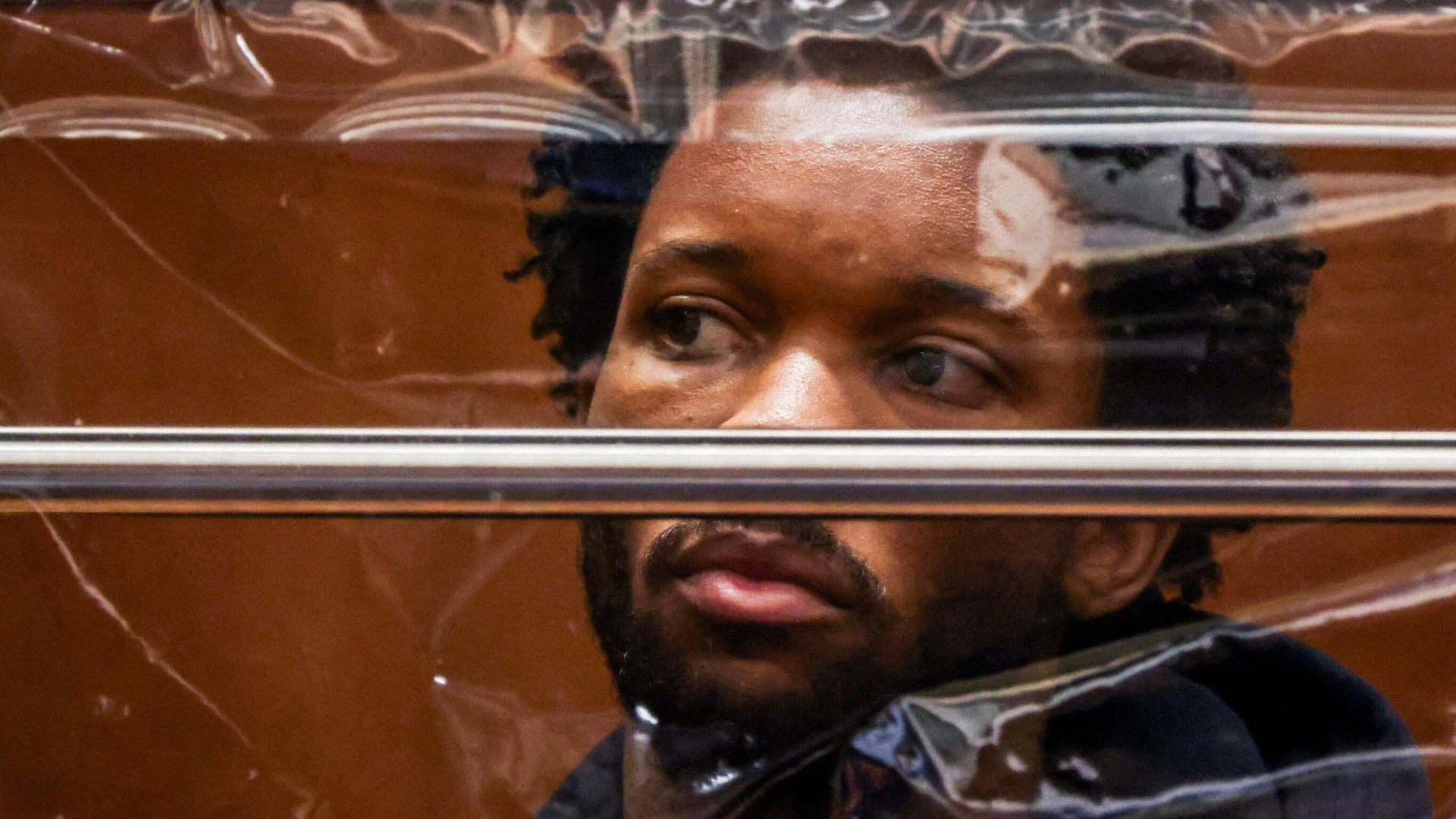
Fame arrives like a sudden floodlight, blinding and absolute. For David Burke, known to millions of streaming fans as the indie pop singer D4vd, the light turned on fast. By his early twenties, his tracks were pulling in millions of listeners, turning a bedroom project into a multimillion-dollar machine. Brand partnerships flourished. Festival stages beckoned.
Behind the curtain of digital adoration, however, a darker reality was festering.
In a Los Angeles courtroom, the glittering facade has finally stripped away. A judge ruled that Burke must stand trial for first-degree murder, child sexual abuse, and the mutilation of human remains. The victim was Celeste Rivas Hernandez. She was fourteen years old.
To understand how a life can be extinguished and hidden away in the trunk of a Tesla, we have to look past the cold docket numbers and examine the machinery of modern isolation. Celeste met Burke online years prior through gaming and social media platforms like Discord and Instagram. She was a fan. He was an older teenager navigating the precipice of sudden celebrity. What began behind glowing screens curdled into an abusive dynamic, documented later through thousands of frantic, fragmented text messages recovered by investigators.
The court heard how the relationship transformed into a cage for both parties. Celeste, wrestling with the erratic emotions of early adolescence, grew intensely jealous, suspicious, and volatile. She threatened to tear down the walls Burke was building around his career. She threatened to expose their history. In April 2025, right as Burke's debut studio album and major endorsements loomed on the horizon, the pressure cooker reached its absolute limit.
On a spring night, an Uber brought Celeste to Burke’s home in the hills. She walked through the door. She was never seen alive again.
Prosecutors laid out a chilling sequence of events during the preliminary hearing. According to evidence presented by the district attorney's office, Burke stabbed the teenager to death following a dispute over her threats. What followed was an agonizingly meticulous effort to erase a human life. Online purchase histories revealed orders for a blue inflatable pool, chainsaws, a shovel, and body bags designed to trap the evidence of a horrific crime.
For five months, Celeste’s decomposing body remained hidden. Part of it rested inside the trunk of an abandoned Tesla linked to the singer, left in a Los Angeles lot while he departed on tour. It was only when towing operators noticed an overwhelming scent of decay that the machinery of justice finally ground into motion, leading police to uncover the grim contents inside.
In court, the defense has argued that concealment does not automatically equal premeditated murder, pointing to the absence of direct eyewitnesses and the chaotic nature of the text exchanges. They maintain his innocence against the first-degree murder charges. Yet the weight of the physical evidence—the digital trails, the forensic traces in the garage, the digital footprint of online orders—paints a picture of a tragedy born from the intersection of unchecked digital access and the desperate preservation of status.
The public sits in rows of wooden benches, listening to testimonies that sound more like psychological horror than reality. Outside, the billboards of Los Angeles continue to glow with advertisements for pristine artists and frictionless entertainment. But inside the courtroom, the stark, unsettling truth remains etched into the record: a young girl’s life cut short, a promising career turned to ash, and a society left wondering how many warning signs flickered quietly in the dark before anyone chose to look.