Subterranean rescue operations executed under flash-flood conditions present a compounding variable problem where environmental mechanics directly counteract human physiological limits. The survival of five artisanal miners trapped for over eight days in an abandoned, flooded gold mine in the Xaisomboun province of central Laos highlights the critical friction between hydrology, geological bottlenecks, and operational logistics. While media reports focus heavily on the emotional aspects of the discovery, a strict logistical and engineering analysis reveals that locating the survivors represents only the baseline phase of a highly complex extrication equation.
The operational architecture of this mission is defined by severe physical constraints. The site, situated in the Longcheng district approximately 120 kilometers north of Vientiane, introduces immediate friction at the logistics interface: a 4-kilometer jungle foot-track that isolates the cave entrance from vehicle-accessible supply chains. The physical entry point is a narrow, rocky fissure that permits only single-person access. This restriction fundamentally bottlenecks the throughput of essential rescue equipment, specifically heavy-duty industrial water pumps, power generators, and bulk diving gas configurations.
The Hydrological and Structural Variables
The core challenge of this operation is driven by three distinct geological and environmental variables:
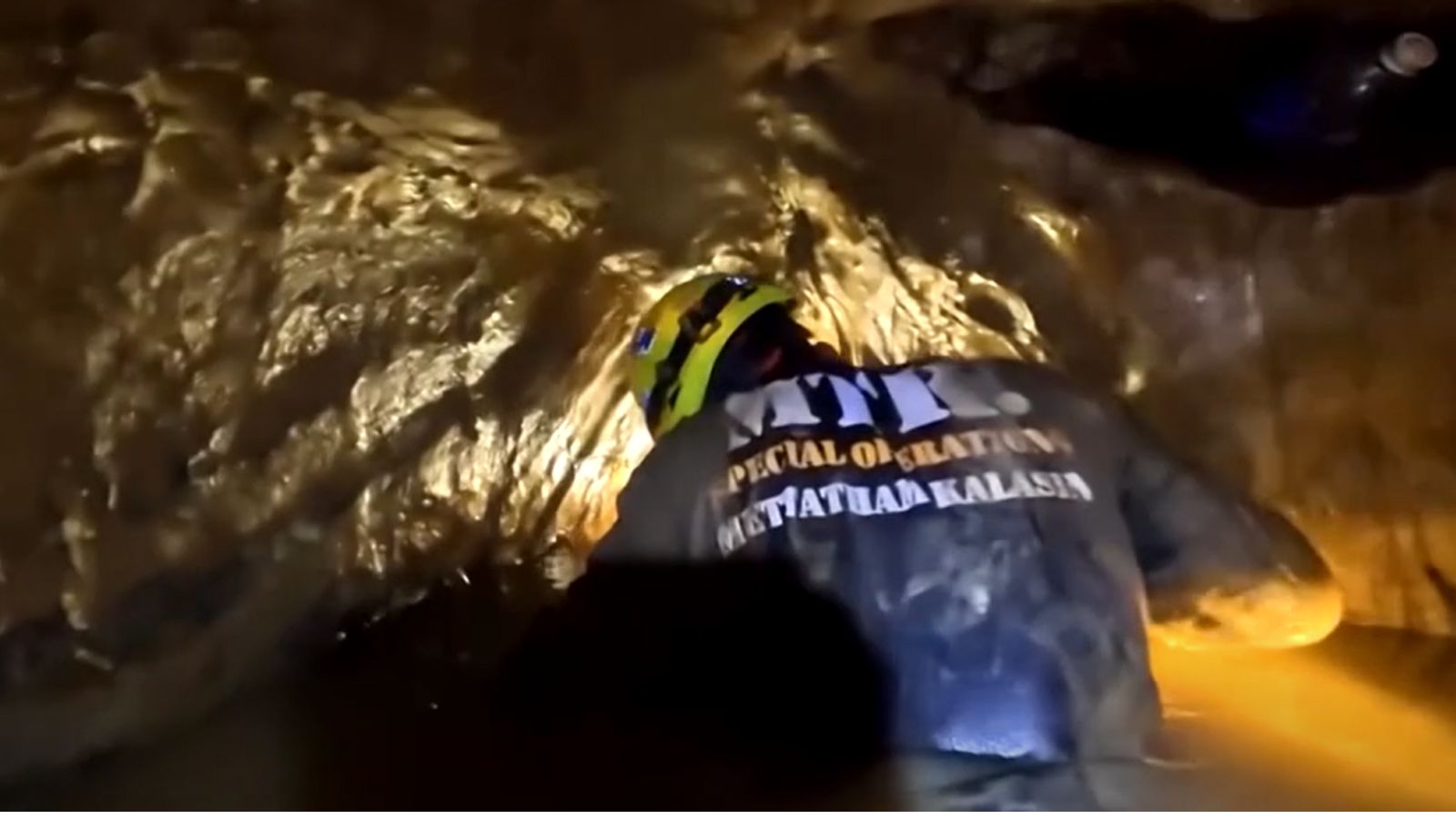
- Siltation and Sedimentary Blockage: Torrential monsoon rainfall does not merely fill subterranean voids with water; it mobilizes topsoil, sand, and gravel. The flash-flood waters transformed the 300-meter ingress tunnel into a high-density slurry pipeline. This sediment settled in low-velocity zones within the 60-centimeter-deep crawlways, creating physical blockages that divers had to clear manually while submerged. This process severely degraded underwater visibility to absolute zero.
- Hydrostatic Pressure and Flash-Flood Dynamics: A primary risk in active-monsoon cave operations is the immediate shift in hydrostatic pressure. Sudden rain events alter the cave fill-rate instantly. When the water level peaks, the rescue environment faces a dual-threat mechanism: the rapid compression of air pockets and the threat of structural failure. The risk of sudden inundation forced rescue technicians to completely abandon the cave system during heavy rainfall downpours to prevent personnel loss.
- Atmospheric Degradation: The five survivors were located on an elevated rocky ledge within a terminal chamber. While this geological structure prevented drowning, the atmospheric composition of the pocket creates an active survival countdown. In closed subterranean environments, the metabolic consumption of oxygen occurs alongside a corresponding rise in carbon dioxide ($CO_2$). When $CO_2$ levels exceed 5% in a confined space, hypercapnia induces disorientation, respiratory distress, and cognitive decline. This explains why the survivors were found disoriented and unaware of their exact location.
Technical Extrication Frameworks
To transition from the discovery phase to successful extraction, the technical management team, which includes specialized divers from the 2018 Tham Luang rescue, must execute a multi-phase engineering and physiological protocol. This process balances the extraction rate against environmental threats.
[Phase 1: Stabilization] ---> [Phase 2: Hydrological Control] ---> [Phase 3: Assisted Extraction]
  - Metabolic Replenishment     - Industrial Water Pumping       - Scuba Proficiency Test Run
  - Atmospheric Monitoring      - Air Shaft Drilling Exploration - Sedative-Free/Sedated Extraction
Phase 1: Metabolic Stabilization and Communications Infrastructure
Before any physical movement occurs, the physiological decay of the victims must be stopped. The rescue team deployed an initial intervention protocol using oral rehydration salts and targeted caloric delivery. Moving the survivors requires immediate caloric stabilization to counter hypothermia and muscle atrophy.
To resolve the data blackout caused by hundreds of meters of solid rock, technicians ran physical internet communication lines directly into the terminal chamber. This provides real-time diagnostic monitoring and allows off-site medical professionals to guide the first-aid process.
Phase 2: Hydrological Control and Structural Intervention
Relying entirely on dive-assisted extraction introduces an unacceptable risk profile. The primary mitigation strategy requires altering the fluid dynamics of the cave. The operational footprint is split into two structural interventions:
- High-Volume Fluid Displacement: Deploying distributed submersible pumps to lower the water level below the 60-centimeter ceiling restrictions. This converts a zero-visibility dive into an open-air wade or crawl.
- Vertical Air Shaft Exploration: Surface teams are mapping the terrain directly above the terminal chamber to look for natural air fissures or drill-accessible entry points. If a stable vertical shaft is identified, it can serve as a direct conduit for air exchange, which addresses the $CO_2$ accumulation problem, or even act as a vertical extraction point.
Phase 3: The Transport Protocol
If hydrological control fails due to ongoing monsoon rains, the final option is an underwater extraction using scuba equipment. This method introduces severe risk when applied to untrained, disoriented civilians. The technical team plans to run scuba proficiency trials within the chamber to evaluate how each survivor handles the equipment under stress.
The primary danger during underwater transport through a 60-centimeter conduit is panic. A panicked diver in a confined space can dislodge their regulator, damage line markers, or experience a fatal laryngospasm. The rescue team must choose between a conscious, assisted dive or a controlled pharmacological sedation protocol similar to the one used in the 2018 Thai rescue.
Operational Risk Management and Legal Safeguards
The search continues for the two missing villagers who entered the system alongside the five survivors. This ongoing operation creates a complex tactical challenge: the team must look for missing persons in high-velocity water zones while simultaneously managing the safety of the five survivors.
The extreme danger of this environment explains why international specialist divers requested official liability immunity from the local government before starting high-risk extraction phases. In complex, multi-national rescue operations, establishing clear legal boundaries is essential. It protects technical personnel from criminal liability if environmental factors trigger a catastrophic outcome.
The underlying cause of this incident stems from economic factors. The cave system is a clear example of an unregulated, artisanal gold-mining asset. Despite repeated warnings from local authorities, regional economic pressures drive villagers to enter unmapped, abandoned mine shafts to look for gold ore and wildlife.
Until these economic factors are addressed through local enforcement and alternative livelihoods, the structural risk of similar cave-ins and flooding events remains high. The long-term solution requires a systematic shift from reactive rescue operations to proactive, structured closures of abandoned mining assets across the region.