A single source of raw agricultural commodities can paralyze regional food service operations when upstream quality control failures cascade down the supply chain. The identification of shredded iceberg lettuce supplied by Taylor Farms to Taco Bell locations as a primary vector in the summer 2026 domestic cyclosporiasis outbreak illustrates this systemic vulnerability. By examining the structural interfaces between bulk agricultural producers, distributors, and quick-service restaurant (QSR) networks, we can trace how localized pathogen exposure scales rapidly into a multi-state public health crisis.
This outbreak, which has generated 1,645 laboratory-confirmed cases and 141 hospitalizations across 34 states—with a concentration of over 4,300 cases in Michigan alone—highlights the extreme friction between centralized food processing and regional consumer safety. Understanding this event requires evaluating the biological characteristics of the pathogen, the structural bottlenecks of the agricultural supply chain, and the operational responses of the retail brand.
The Pathogen Profile: Cyclospora cayetanensis
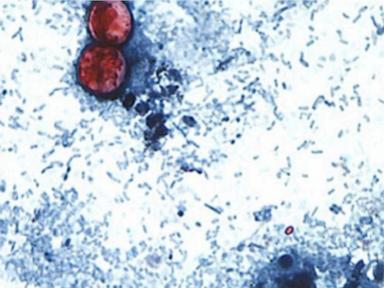
Standard bacterial mitigation protocols often fail when confronting parasitic pathogens. Cyclospora cayetanensis is a microscopic, single-celled protozoan that infects the human small intestine, causing cyclosporiasis. The disease manifests through prolonged, watery, and frequently relapsing diarrhea, accompanied by severe abdominal cramps, fatigue, and significant weight loss.
[Agricultural Contamination]
       │ (Human feces enters water/soil)
       ▼
[Oocyst Shedding (Unsporulated)] ──► Non-infective in immediate environment
       │ (Requires days to weeks to mature)
       ▼
[Sporulation Process] ─────────────► Becomes infective (environmentally resilient)
       │ (Clings to hydrophobic surfaces of leafy greens)
       ▼
[Ingestion & Infection] ───────────► High-volume clinical outbreak
The transmission cycle introduces three critical supply chain challenges:
- Delayed Infectivity: Unlike bacteria such as E. coli or Salmonella, which are immediately infectious upon shedding, Cyclospora oocysts are non-infective when first excreted in feces. They require days to weeks in the environment to undergo sporulation—the process by which they become active and infectious. This latency means that contamination typically occurs at the agricultural source (farmland, irrigation systems, or harvesting crews) rather than during downstream kitchen preparation.
- Physical Adhesion: The physical structure of Cyclospora oocysts allows them to adhere tenaciously to the complex, hydrophobic surfaces of leafy green vegetables. Standard industrial washing procedures, including chlorine washes and sanitizing rinses, are mechanically insufficient to dislodge or render the oocysts inactive.
- Testing Gaps: Rapid screening for Cyclospora is notoriously difficult. Standard microbiological assays optimized for bacterial pathogens do not reliably detect protozoan parasites in agricultural runoff or food samples, creating a detection blindspot at the packaging facility level.
Supply Chain Centralization and the Single-Point-of-Failure Risk
The primary driver of the outbreak's scale is the consolidation of agricultural processing. Taylor Farms, the world's largest producer of fresh-cut vegetables, operates 30 processing facilities across North America, serving as a primary supplier for dominant brands including Taco Bell, McDonald's, Chipotle, Costco, and Walmart.
This high degree of centralization creates a classic single-point-of-failure (SPOF) risk profile. The traceback investigation conducted by the Food and Drug Administration (FDA) traced the contaminated iceberg lettuce back to a single growing region in Mexico.
                               ┌──► Taco Bell (Michigan) ──► 4,300+ Cases
                               │
[Single Mexican Farm] ──► [Taylor Farms Processing] ──► Taco Bell (Ohio) ──► Outbreak Cluster
                               │
                               └──► Other QSRs & Retailers ──► Broad Regional Exposure
When a single growing area or processing line is contaminated, the output is not distributed locally. Instead, it is integrated into high-speed processing hubs where bulk quantities of lettuce are washed, shredded, blended, bagged, and shipped across thousands of miles. A localized contamination event in a Mexican field can be processed, packaged, and distributed to multiple US states within 72 hours, far outpacing the incubation period of the parasite (which ranges from two to eleven days) and the subsequent administrative ramp-up of public health investigators.
This mismatch in velocity between supply chains and diagnostic medicine means that by the time the first clinical cluster is identified by epidemiologists, the contaminated batch of product has already been entirely consumed, discarded, or replaced, leaving behind a wake of symptomatic patients but little physical evidence for immediate laboratory testing.
Brand Equity vs. Upstream Liability
For a highly visible retail consumer brand like Taco Bell, upstream supplier failures present a distinct crisis-management challenge. When consumers experience foodborne illness, their immediate association is with the retail point of sale, not the B2B ingredient supplier.
To mitigate reputational damage and protect regional operations, Taco Bell initiated an immediate, voluntary ingredient removal program. In affected regions—specifically Michigan, Ohio, West Virginia, Kentucky, and Texas—notices were posted informing customers that the chain had temporarily ceased serving lettuce, cilantro, onions, pico de gallo, and guacamole.
This comprehensive removal strategy, while operationally disruptive and financially punishing to daily sales volumes, serves as a necessary defensive maneuver. By pulling multiple fresh ingredients simultaneously, the brand achieved three objectives:
- Risk Isolation: It bypassed the delay of waiting for definitive lab confirmation of the specific vector (whether lettuce, cilantro, or onions), immediately severing the exposure pathway.
- Operational Reset: It allowed regional distribution centers to purge potentially compromised inventories and clean transport infrastructure without lingering cross-contamination risks.
- Regulatory Alignment: It demonstrated proactive corporate governance, reducing the risk of punitive enforcement actions by state health departments and the FDA.
The critical operational bottleneck during such an intervention is supply chain elasticity. A fast-food network relies on just-in-time delivery systems. Removing a primary supplier like Taylor Farms requires rapidly rerouting alternative agricultural sources to hundreds of retail units. The speed with which a QSR brand can execute this pivot determines both the duration of menu item outages and the rate of recovery for local store revenue.
Strategic Action Plan for Agricultural Sourcing
To insulate retail food brands from systemic upstream agricultural contamination, supply chain executives must transition from a model of reactive compliance to one of active risk mitigation. Relying solely on third-party supplier guarantees has proven insufficient to protect brand equity.
The immediate strategic priority is to implement a dual-sourcing model for high-risk raw agricultural commodities. QSR chains must establish geographically diversified supply contracts, ensuring that no single processing facility or growing region accounts for more than 50% of the network's supply of fresh leafy greens. This structural redundancy guarantees that if a regional recall is executed, alternative distribution channels can be immediately scaled to fill the inventory deficit without requiring total menu shutdowns.
Furthermore, procurement contracts must be amended to mandate the integration of blockchain-enabled tracing systems. This level of transparency allows for real-time batch isolation, enabling retail brands to surgically remove compromised produce at the store level within hours, rather than relying on broad, state-wide ingredient bans that damage consumer trust and depress regional revenues.


