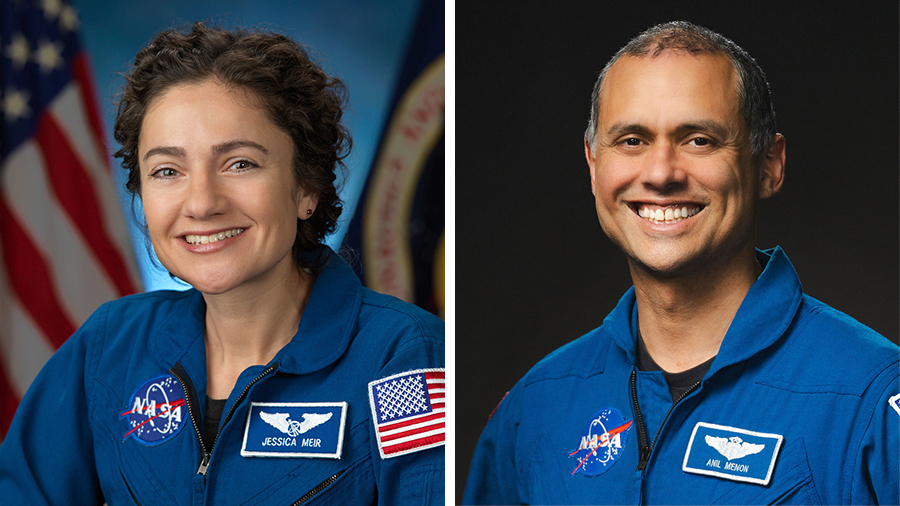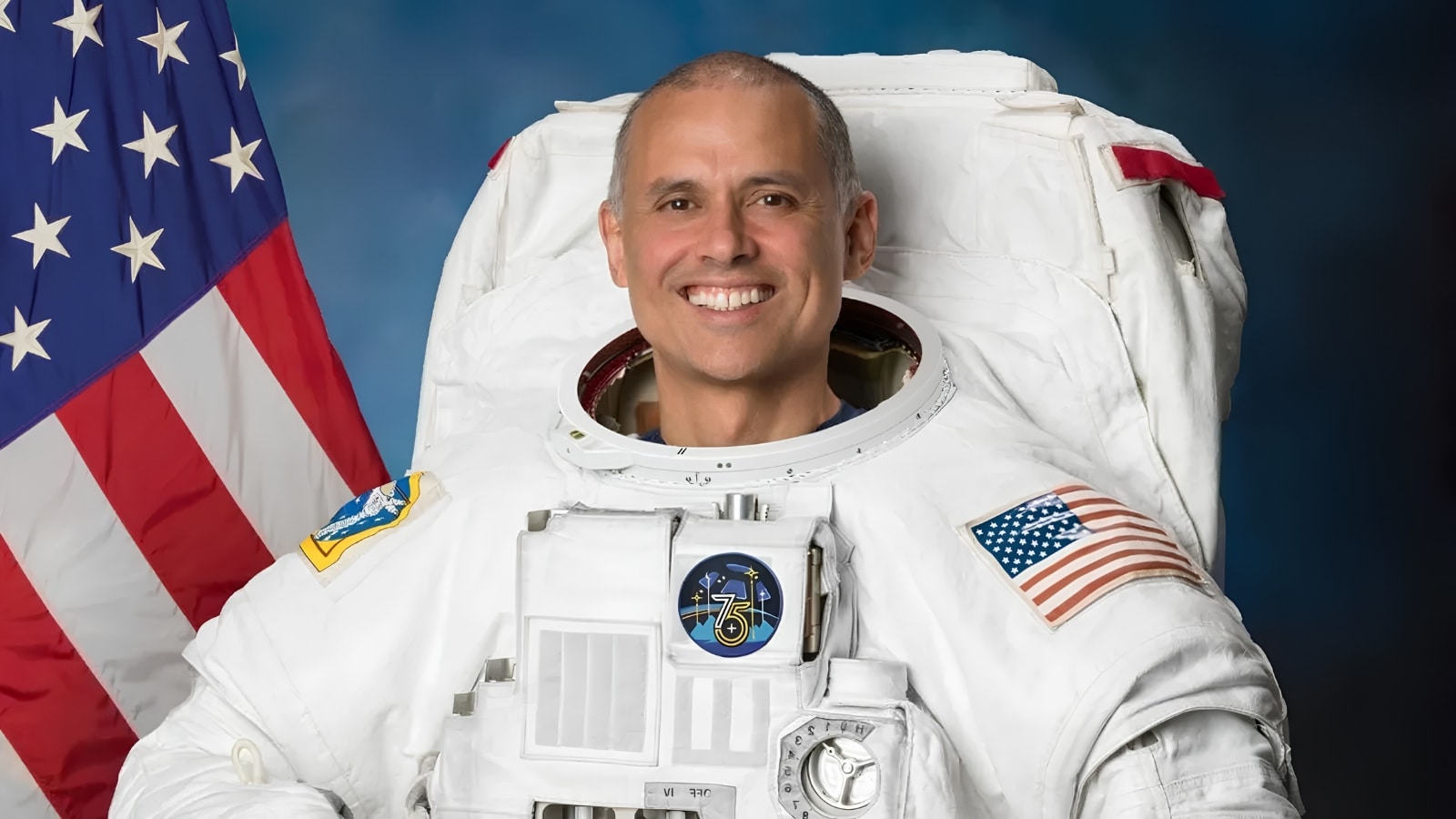
Stepping out of the Quest airlock changes your perspective instantly. You are floating 250 miles above Earth, staring down at a spinning blue planet while hanging onto a metal truss moving at 17,500 miles per hour. NASA astronaut Anil Menon just found out what that feels like.
Menon completed his first-ever spacewalk alongside veteran astronaut Jessica Meir. The mission marked the 281st spacewalk dedicated to International Space Station assembly and maintenance. But this wasn't just another routine trip outside. It was a calculated step toward keeping a aging orbital laboratory powered up and functional as NASA lays the groundwork for its eventual retirement.
If you have been wondering how NASA keeps an aging space station running while building out infrastructure for future commercial platforms, the answer lies in heavy electrical engineering performed in bulky spacesuits. Let's break down what actually happened during those six hours and twenty-seven minutes, and why it matters for the future of human spaceflight.
The Gritty Details of Spacewalk 96
Space is unforgiving. When Menon and Meir stepped into the vacuum of space, their primary objective was clear: install critical mounting hardware on the station's 3B power channel, located on the Starboard 6 truss segment.
This installation is a necessary precursor for adding new solar arrays. Since 2021, spacewalkers have deployed six International Space Station Roll-Out Solar Array units, commonly known as iROSA. Two final arrays are scheduled for delivery later this year. Getting the power channels ready right now is mandatory if NASA wants to avoid electrical bottlenecks.
Menon spent a significant portion of the operation locked into an articulating portable foot restraint perched atop a worksite interface. Working in microgravity requires an immense amount of core stability. If you do not anchor yourself properly, every turn of a ratchet wrench sends your body spinning into open space.
Once the mounting hardware was secure, the pair routed heavy-duty cabling designed to channel future electricity straight into the 3B power channel. They finished off the structural upgrades by wrapping exposed struts in specialized multi-layer insulation to protect against extreme temperature swings.
Why the Power Upgrade Can Not Wait
People often ask why NASA keeps investing heavily in upgrading a space station that is scheduled for a controlled deorbit in the next decade. The reality is simple. Critical life support systems, ongoing scientific research, and commercial modules require massive amounts of continuous energy.
The original silicon solar arrays launched decades ago have degraded over time. They simply do not produce the wattage they used to. By overlaying the high-efficiency iROSA units onto the existing power channels, NASA boosts the station's total power generation back up to roughly 250 kilowatts.
That extra juice does more than just keep the lights on. It powers advanced biomedical experiments, water recycling systems, and the heavy data links required to talk to Mission Control in Houston. Without these upgrades, the station would face severe power rationing long before its final deorbit burn.
A Quick Break With a View of the Moon
Even during high-stress orbital construction, astronauts occasionally look up. During a brief pause in the timeline, Jessica Meir checked in on her partner.
"Anil, you can see the moon to the - well, I am not sure what way you're facing, but," Meir said over the communications loop.
Menon answered back immediately. "To my right. Yeah, I see it - thanks for the heads-up. I can see a future moon base there."
It is a striking thought. Menon went from treating emergency patients as a physician and serving as a flight surgeon to working on structural trusses in low Earth orbit. Now, he is looking past Earth toward the lunar horizon where Artemis missions aim to plant permanent boots.
What Comes Next for Expedition 75
This spacewalk is only the opening act for a busy month. Expedition 75 has a packed calendar of exterior maintenance lined up to keep the station shipshape.
On August 13, two crew members will head back outside to replace a failing Space-to-Ground antenna. That hardware handles high-speed communications and telemetry data flowing down to Houston.
Later in the month, on August 25, another excursion will focus on connecting data relay systems, finishing up power channel configurations, and replacing a critical navigational aid on the Harmony module's forward port used by visiting cargo and crew spacecraft.
Space exploration rarely slows down. Every bolt tightened on the Starboard truss buys human presence in orbit a little more time. Anil Menon crossed the threshold from physician to spacewalker, and the orbital laboratory got one step closer to its final, high-efficiency chapter.