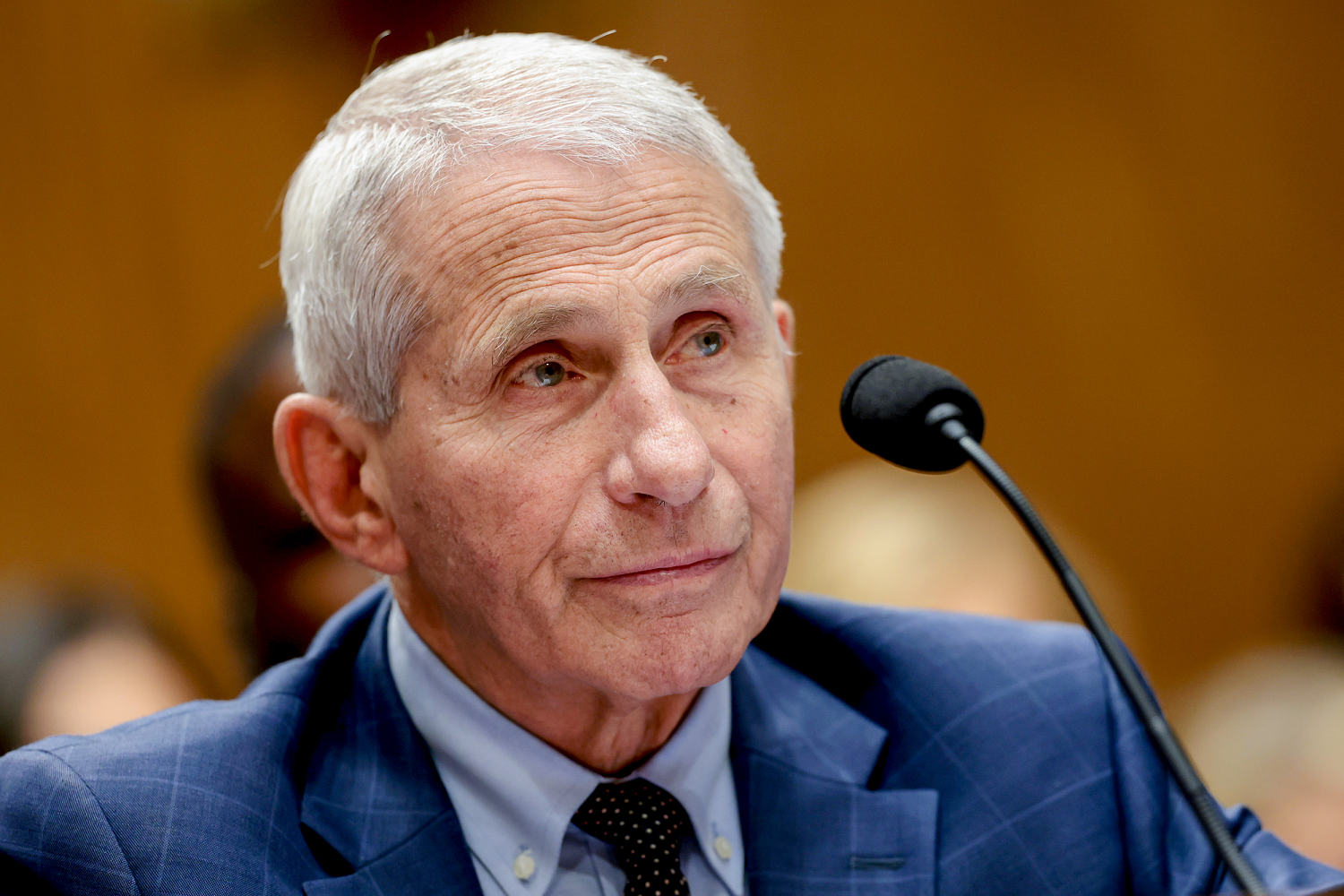
Dr. Anthony Fauci spent decades in the public eye giving direct answers to complex scientific questions. But when he walked into the Senate Homeland Security and Governmental Affairs Committee room, everything changed. He sat down, delivered an opening statement defending his career, and then clammed up.
Over the course of a tense, highly partisan three-hour session, Fauci invoked his Fifth Amendment right against self-incrimination more than 100 times. He refused to answer substantive questions about pandemic policies, origin theories, and historical communications. He even declined to answer trivial inquiries about the color of his tie.
Now, Republican lawmakers are moving fast to hold him in contempt of Congress. It is a high-stakes constitutional showdown that pulls together presidential pardons, bitter political rivalries, and murky legal precedents.
The Core Conflict Behind the Contempt Vote
Senator Rand Paul, the Kentucky Republican chairing the committee, made it clear that silence won't shield Fauci from institutional pushback. Paul and his Republican colleagues argue that a preemptive pardon issued to Fauci by former President Joe Biden renders any Fifth Amendment claim legally void.
That pardon, granted early last year before Biden left office, covered potential federal offenses committed between 2014 and 2025. Republicans argue that since Fauci cannot face federal criminal prosecution for actions during that window, he faces no actual threat of self-incrimination. Therefore, they contend, refusing to answer questions is pure obstruction.
Fauci and his legal team saw the math differently. They maintained that stepping up to the microphone without protection was a trap. Fauci pointed directly to Paul's repeated public statements vowing to see him put behind bars. In his opening remarks, Fauci stated that the entire hearing was engineered to extract soundbites or trap him into perceived inconsistencies that could trigger new false-statement investigations.
Why Legal Experts Are Divided
The clash has opened a fascinating debate among constitutional scholars and defense attorneys. It is not as cut-and-dried as either side claims.
On one hand, a blanket pardon typically wipes away the threat of prosecution for past acts, which usually undercuts a witness's constitutional right to plead the Fifth. If you cannot be legally harmed by your answer because the slate is wiped clean, the courts historically say you have to talk.
On the other hand, legal experts point out massive loopholes. For starters, Biden's federal pardon does not offer protection against state-level prosecutions. Furthermore, any new testimony given during a live congressional hearing falls outside the protected timeframe of a past pardon. If a lawmaker believes a witness lied on the stand, prosecutors can launch a fresh perjury investigation based strictly on that new testimony.
When you combine those realities with an aggressive political climate where the Department of Justice frequently scrutinizes political targets, pleading the Fifth becomes a rational self-preservation strategy.
The Partisan Divide on Display
The committee room was a masterclass in modern political polarization.
Republicans took turns lambarding Fauci's legacy. Senator Josh Hawley of Missouri pressed Fauci with absurdly basic questions just to put the sheer volume of his silence on record. Senator Rick Scott of Florida labeled Fauci a villain, while Senator Bernie Moreno declared that decades of public service had ended in disgrace.
Democrats on the panel fired back, accusing the majority of running a partisan circus designed to humiliate a retired public servant. They argued that turning scientific leaders into political scapegoats creates a dangerous chilling effect. Their argument is straightforward: if brilliant researchers see public health officials dragged through hostile tribunals, top tier talent will simply choose to stay out of government service altogether. Eventually, Democratic members walked out of the hearing in protest.
What Happens When the Gavel Falls
The Republican-led panel is pushing to advance the contempt resolution directly to the U.S. Attorney's Office for the District of Columbia, bypassing the typical step of a full Senate floor vote to save time.
If federal prosecutors accept the referral, they will have to decide whether a contempt charge is viable against a witness who invoked a constitutional right under the shadow of a presidential pardon. No matter how the Justice Department handles it, the outcome sets a heavy precedent. It shapes how future administrations, congressional committees, and high-profile figures navigate the explosive intersection of congressional oversight, executive pardons, and personal self-protection.


