We built monuments to our own anxiety. For a decade, the asphalt arteries of European capitals choked on rolling fortresses—two-ton utility vehicles designed to conquer a suburban driveway that spent ninety percent of their lives idling in cramped municipal lanes. Parking bays shrank. Curbs became battlegrounds. And somewhere beneath the shadow of towering grilles, the true poetry of urban mobility was lost.
Then came a quiet course correction. Also making news recently: Why Trump Calling AI Super Intelligence Misses the Real Trap.
Consider Elena, a freelance architect living in Lyon, who spends her mornings hunting for spaces that physics refuses to grant her current SUV. Her frustration is a universal modern liturgy. Urban streets were never built for spatial arrogance. They were built for rhythm, agility, and grace.
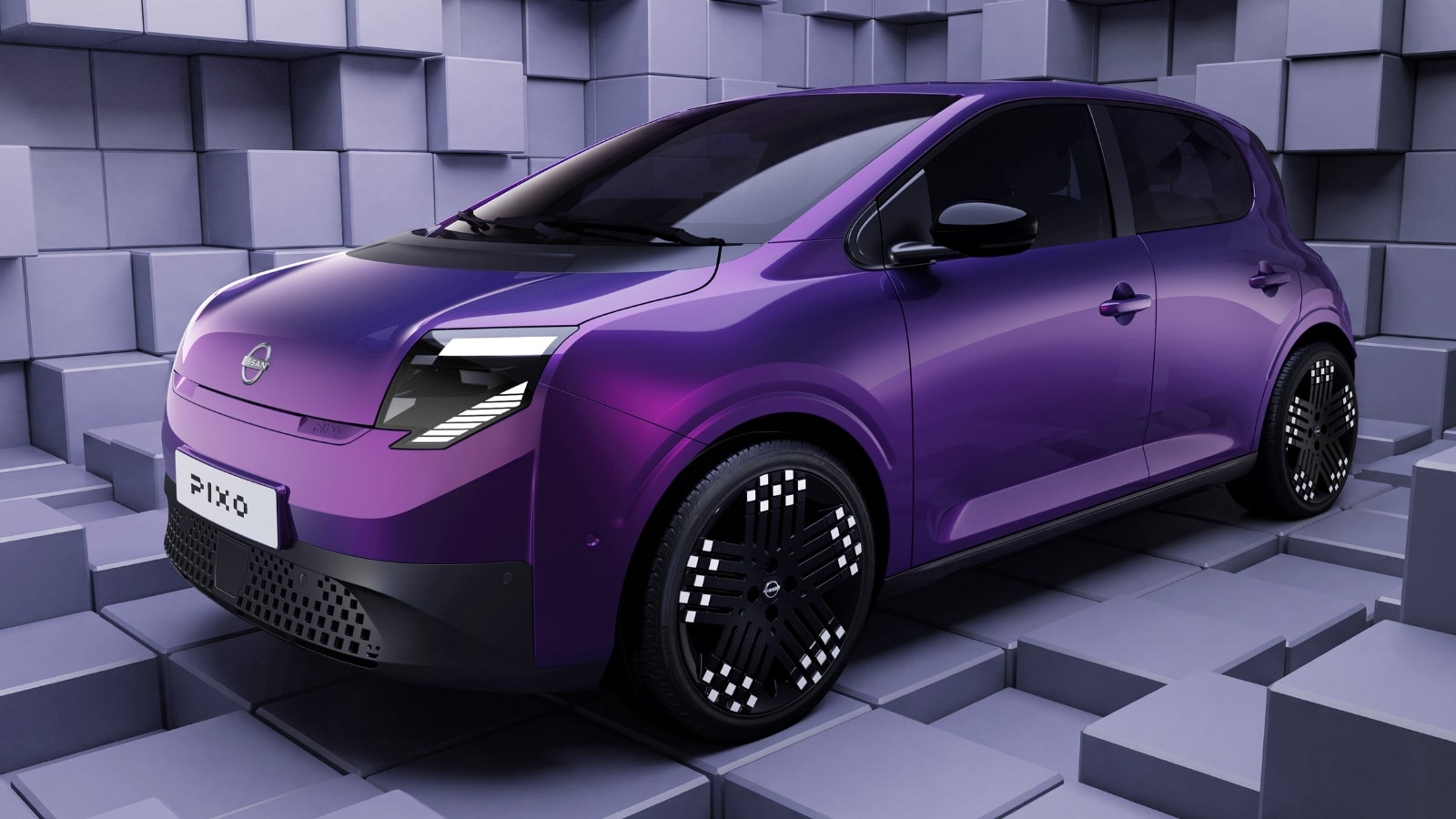
When Nissan pulled the covers off the all-new Nissan Pixo, it did not introduce another bloated battery-packed leviathan. It resurrected a philosophy. More insights into this topic are explored by CNET.
Measuring just 3,796 millimeters from bumper to bumper, the Pixo looks at the modern automotive excess and smiles. It is a deliberate rejection of size as a status symbol. Developed for the tightest corners of Europe and manufactured in Slovenia’s Novo Mesto plant through a partnership with Renault, this A-segment hatchback shrinks the footprint without shrinking human ambition.
Look closely at the engineering underneath. Instead of chasing thousand-kilometer ranges that require heavy, resource-intensive packs, the Pixo relies on a sensible 27.5 kWh lithium iron phosphate battery. It is Nissan’s first European model to adopt LFP chemistry, prioritizing efficiency, longevity, and lightweight practicality over sheer brute battery mass.
The numbers tell a story of everyday liberation. On a single charge, the WLTP cycle yields up to 259 kilometers of range. For someone navigating grocery runs, school drop-offs, and cross-town client meetings, that figure represents weeks of untethered movement. When the energy finally dips, 50 kW DC rapid charging claws the battery back from 15 to 80 percent in roughly 28 minutes. Long enough for a double espresso and a quick scroll through morning messages. Home and workplace charging are handled smoothly by a standard 11 kW AC setup, complete with bi-directional capabilities.
Weight is the enemy of efficiency, and small dimensions dictate the driving dynamics. With an 80 horsepower electric motor driving the front wheels and a tight 9.9-meter turning circle, cutting through congested alleys feels less like operating machinery and more like an extension of your own reflexes. One-Pedal driving technology allows smooth acceleration and deceleration using only the right pedal, transforming stop-and-go commuter gridlock into an effortless glide.
Yet, inside this compact shell, spatial geometry defies expectation.
Imagine loading a weekend’s worth of camping gear into a car that fits into a half-sized parking spot. The cabin accommodates four adults comfortably, while clever packaging yields 356 liters of boot space with the rear seats upright. Fold those independent sliding rear seats flat, and the cargo volume expands to 1,221 liters. There is even a dedicated 50-liter compartment beneath the floor strictly for charging cables, ending the chaotic scramble of wet cords rolling around the trunk.
Technology here is designed to fade into the background rather than demand an instruction manual. Google built-in connectivity runs alongside Gemini artificial intelligence, turning voice commands into natural conversations for navigation and media. Face ID technology recognizes individual drivers the moment they slide behind the wheel, automatically restoring preferred seating angles, climate settings, and music streams.
Set for customer deliveries in early 2027 with pricing announcements slated for December, the Pixo enters an arena alongside competitors like the Dacia Spring and Hyundai Inster. But its real competition is our collective addiction to excess.
The future of the city will not be won by vehicles that demand more space, more power, and more compromise. It belongs to things that fit the gaps we live in, moving quietly through the world, leaving room enough for everyone else.
NISSAN PIXO: THE PERFECT CITY EV?
This video provides a closer look at the design details, interior layout, and compact proportions of the Nissan Pixo.