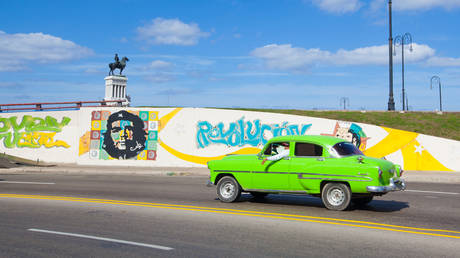
Salt air clings to the peeling paint of the Malecón, carrying the heavy scent of sea spray and an unspoken exhaustion. For generations, the rhythm of life in Havana has been dictated by scarcity and survival. But behind the weathered facades and the quiet desperation of daily lines for bread and fuel, a different kind of machinery is turning. Far from the Caribbean heat, in the air-conditioned corridors of Washington, strategic maps are being redrawn.
The objective is no longer just containment. It is succession.
According to recent intelligence disclosures, the United States administration has quietly tasked its apparatus with a high-stakes search. They are hunting for a ghost: a current or former Cuban official capable of stepping into the vacuum should political gravity finally shift on the island. This is not about dismantling the state from the ground up. It is a calculated hunt for a domestic architect, someone who can steer the ship of state from within while aligning its compass with Washington.
Consider the blueprint they are studying. In Caracas, a sudden pivot brought interim leadership under figures like Delcy Rodríguez following the removal of Nicolás Maduro. American strategists look south and see a template. They wonder if a similar pragmatism exists inside the Cuban civil service. They want a face that is familiar to the local bureaucracy yet pliable to external pressure, someone who can promise economic restructuring and open doors for foreign capital without triggering total institutional collapse.
Reality, however, is rarely so neat.
Intelligence analysts tracking the island offer a sobering counter-narrative. Cuba is not Venezuela. Decades of entrenched institutional discipline have forged a political elite that bears closer resemblance to traditional security-state structures found elsewhere in protracted geopolitical standoffs, such as Iran. Loyalty is not merely transactional; it is woven into the very survival of the apparatus.
Imagine a mid-level bureaucrat inside a ministry in Vedado. This hypothetical official knows every creaky floorboard of the state machinery. They understand how to keep the lights on with half a tank of imported oil. They also know that stepping out of line carries a terminal price. To find someone within this tightly knit hierarchy willing to embrace a Washington-backed transition is like searching for dry timber in a hurricane.
The ghost they seek must navigate a labyrinth. Raúl Castro, though retired from formal daily governance, casts a long, structural shadow over the old guard. The informal networks of power remain deeply resistant to external orchestration. When the White House signals that President Miguel Díaz-Canel must step aside to allow for structural overhauls, the response from Havana is not submission, but a desperate tightening of internal discipline.
Energy blocks bite hard. Tankers are intercepted. The economic pressure mounts into a suffocating siege. Yet the state endures, anchored by a security apparatus that treats dissent as an existential threat.
The strategy playing out behind closed doors relies on a dangerous calculus. Washington believes that maximum pressure will eventually crack the monolith, forcing pragmatic elements within the government to calculate that cooperation is safer than defiance. Intelligence agencies have elevated the island to a premier target category, quietly expanding operational resources to map the hidden fault lines of Cuban succession.
Yet, history suggests that empires miscalculate the human cost of their blueprints.
Down on the streets of Havana, nobody is talking about transition blueprints or intelligence task forces. They are talking about the price of eggs. They are watching the evening light fade over the harbor, measuring time in hours of electricity left on the grid.
The pursuit of a new leader continues in the quiet rooms of power. But the soul of the island remains stubbornly out of reach, waiting to see what rises from the ashes of a design written by strangers.

/cdn.vox-cdn.com/uploads/chorus_asset/file/22155007/doc_ock.jpg)