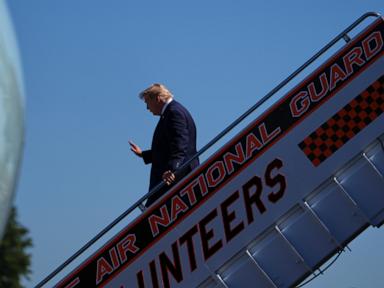
Executive communication management relies on the distribution of physical access as a primary leverage point for institutional control. When the administration altered standard travel rosters for a presidential flight to a college football game in Tennessee, omitting established outlets like CNN following a legal injunction regarding White House grounds access, it illustrated a structural shift in how executive power interacts with the traditional press pool. This dynamic exposes the mechanics of press logistics, the legal boundaries of administrative discretion, and the economic dependencies that govern political journalism.
The Logistics of the Presidential Travel Pool
The institutional press pool is not a gratuity granted by the executive branch; it is an operational necessity designed to ensure continuous public documentation of the presidency. Five major broadcast networks traditionally anchor the television pool, sharing footage and feeds to maintain logistical efficiency aboard military transport aircraft like Air Force One.
The cost function of this arrangement favors centralized coordination. Transporting dozens of journalists, technicians, and equipment crates requires standardized seating and predictable allocation protocols. When the executive branch modifies these rosters—substituting outlets or reallocating seats traditionally reserved for specific network rotations—it introduces friction into an otherwise standardized supply chain of information distribution.
[Standardized Pool Rotation] ---> [Executive Discretionary Filter] ---> [Altered Manifest Allocation]
This structural friction creates distinct operational outcomes:
- Information Bottlenecks: Restricting primary newsgatherers alters the baseline documentation of executive movements.
- Solidarity Dynamics: When primary pool participants face exclusion, collective responses from peer organizations test the resilience of the shared reporting apparatus.
- Logistical Redundancy: Excluded entities must resort to commercial transit or alternative charter logistics, increasing reporting costs and latency.
Legal Precedents and Administrative Boundaries
The tension between executive discretion and press access operates within a complex legal framework. Accreditation and physical entry to public spaces governed by the executive branch are subject to constitutional scrutiny under the First and Fifth Amendments, particularly regarding viewpoint discrimination and due process.
Recent judicial interventions concerning press credentials on White House grounds highlight the friction points. When courts mandate the restoration of access for specific outlets, the executive branch frequently responds by altering discretionary privileges that fall outside immediate courtroom purview, such as seat assignments on official aircraft. This cat-and-mouse dynamic demonstrates the limits of judicial reach into day-to-day executive logistics.
The mechanism operates through a series of administrative phases:
- Credential Revocation: Revoking physical access to institutional workspaces.
- Judicial Challenge: Affected media organizations file suit, citing arbitrary and capricious administrative action.
- Injunctive Relief: Courts order provisional restoration of baseline credentials.
- Logistical Adaptation: The administration complies with the narrow letter of the legal ruling while shifting restrictions to secondary logistical vectors, such as travel manifests and pool rotations.
The Economic Impact on Media Operations
For modern news organizations, maintaining a continuous presence near the executive branch represents a significant capital expenditure. The economic model relies on immediate, authoritative reporting that commands audience attention and advertising revenue.
When travel access is restricted, the return on investment for dedicated political reporting decreases. Outlets face a choice between absorbing the inflated costs of independent travel logistics or accepting reduced visibility in primary news cycles. This economic pressure alters editorial calculations, compelling organizations to weigh the financial viability of frontline coverage against the strategic necessity of institutional accountability.
The financial variables include:
- Charter and Commercial Variance: The cost delta between assigned military transport slots and commercial alternatives.
- Latency Costs: Delayed arrival times at regional events resulting from commercial flight schedules rather than direct presidential transport.
- Opportunity Cost: Resources diverted from investigative reporting to manage ongoing credential disputes and legal challenges.
Strategic Forecast for Institutional Media Relations
The degradation of traditional norms governing press access points toward a permanently decentralized and fractured reporting environment. As administrative entities find novel mechanisms to curate who records executive actions, the concept of a unified, objective press pool dissolves into partisan and specialized documentation.
Organizations that adapt to this environment will decouple their operational validity from executive-controlled logistics, utilizing distributed technologies and collaborative reporting models to bypass traditional chokepoints. The long-term trajectory points away from negotiated access and toward structural independence, permanently altering the relationship between state power and the chroniclers of its daily operations.