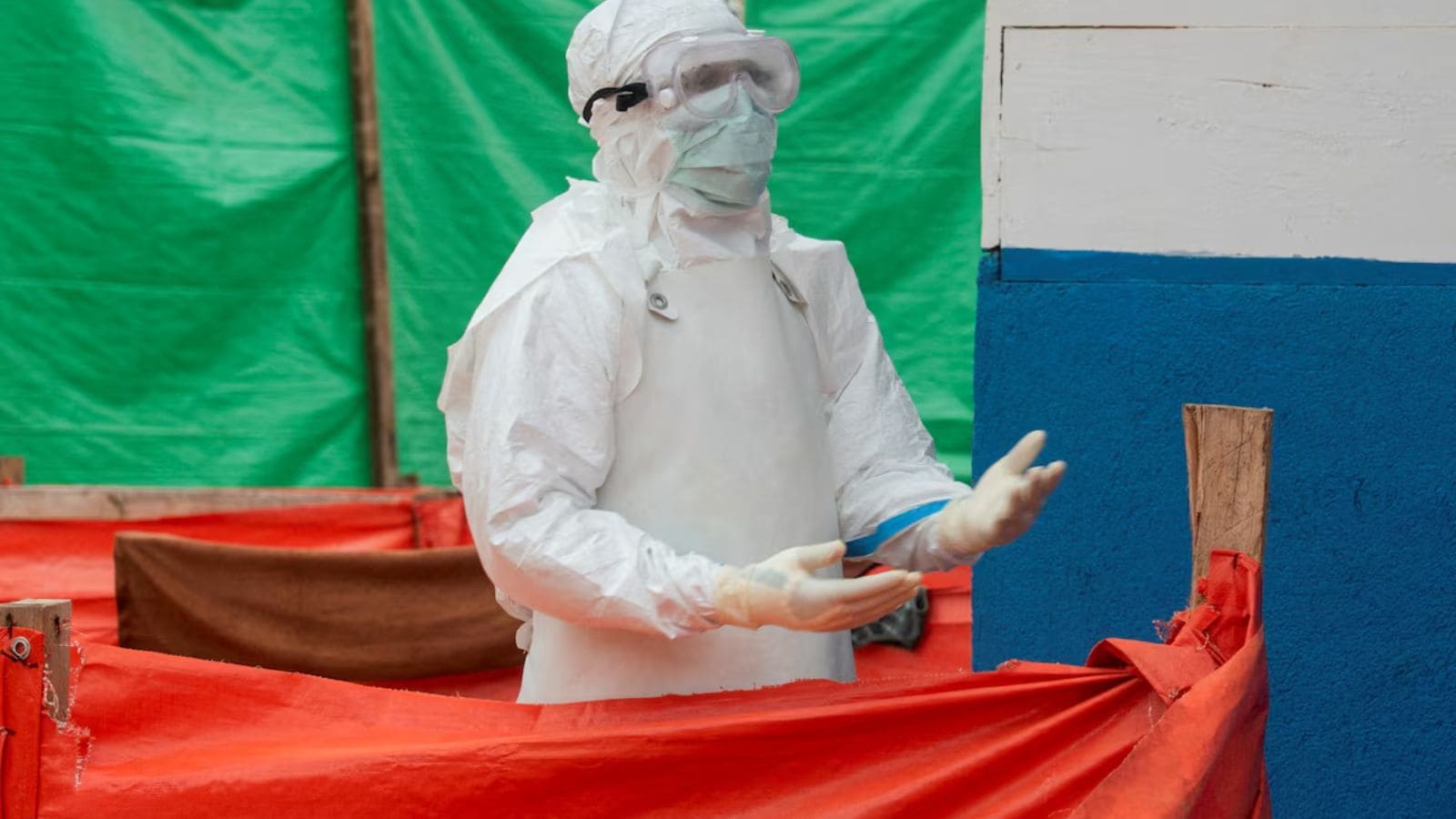
The fluorescent lights of the hematology ward do not flicker. They hum with a steady, clinical indifference that manages to drain the color from everything it touches.
When Elena heard the word leukemia for the first time, the room did not spin. Instead, time compressed. The oncologist spoke in syllables of bone marrow biopsies, blast counts, and induction chemotherapy, while Elena stared at a small smudge of dust on the doctor’s white coat. She wanted to point it out. She wanted to ask if the dust had a name, too.
Cancer treatment is a machine. It operates with merciless efficiency. Surgeons cut. Oncologists dose. Nurses monitor IV drips with vigilant eyes. Every protocol is mapped, measured, and recorded. Yet, somewhere between the sterile smell of antiseptic wipes and the rhythmic beep of the infusion pump, a crucial component is quietly abandoned.
The mind.
The Invisible Cost of Survival
We treat the body with astonishing scientific wizardry. We replace marrow, engineer antibodies, and beat back rogue cells into remission. But what happens to the person inside the body?
For someone diagnosed with a blood cancer like leukemia, lymphoma, or myeloma, the battle is not just biological; it is existential. Unlike solid tumors that can sometimes be neatly excised, blood cancers are systemic. They live in the fluid that sustains you. Every pulse carries the reminder that your own blood has turned against you.
Fear becomes a roommate. It sits on the edge of your hospital bed, sharing your lukewarm broth. It whispers in the quiet hours between midnight and dawn when the nurses change shifts.
And then, there is the math.
Cancer is expensive. Even with insurance, the bills arrive like accumulating snowdrifts: co-pays for specialized scans, prescription costs for anti-nausea medications, and the sheer lost wages of a patient or a caregiver forced to step away from work. In this financial chokehold, private mental health support is often the first luxury to be cut. Therapy becomes a line item that a household recovering from a lost paycheck simply cannot afford.
People try to endure. They smile for their visiting relatives. They nod when friends say, "You've got this." They swallow their panic because they feel guilty for being depressed when they are, technically, surviving.
That silence is dangerous. It kills from the inside out.
Breaking the Wall of Isolation
Support cannot come with a price tag when a person is already drowning. This is the exact philosophy behind the expansion of free professional counseling services specifically tailored for blood cancer patients and their families.
Consider what happens when a specialized counselor enters the picture. Not a general family therapist, but someone who understands the peculiar psychological landscape of hematological malignancies. Someone who knows why a routine blood test can trigger post-traumatic stress responses years after successful treatment. Someone who understands the unique terror of waiting for bone marrow biopsy results, known among patients as scanxiety.
In these confidential sessions, patients do not have to be brave.
They can cry without worrying about upsetting their spouses. They can express anger at their bodies without feeling ungrateful. They can talk about death—a subject that well-meaning friends often deflect with toxic positivity.
For families, the psychological burden is equally heavy. Caregivers carry the weight of constant vigilance. They must remain strong during the day, only to collapse with exhaustion at night. Free counseling programs extend their safety nets to these shadow patients, recognizing that a household does not heal in pieces.
How Specialized Psycho-Oncology Works
Navigating the emotional wreckage of cancer requires more than a listening ear; it requires clinical strategy. Psycho-oncology bridges the gap between psychiatry and oncology, offering structured, evidence-based interventions designed for the realities of chronic and acute illness.
When counseling is integrated into cancer care at no cost, several shifts occur:
- Anxiety Management: Patients learn targeted grounding techniques to manage panic attacks triggered by medical environments or physical symptoms like fatigue and bruising.
- Identity Reconstruction: Surviving blood cancer often leaves people feeling alienated from their pre-diagnosis lives. Counseling helps them rebuild a sense of self that accommodates their altered reality.
- Communication Bridge: Chronic illness strains marriages and family dynamics. Professional guidance provides tools to articulate unspoken fears, preventing resentment and emotional withdrawal.
These services remove the barrier of cost, ensuring that psychological survival is not a privilege reserved for those with financial means. It is recognized as an essential pillar of medicine.
The Exhalation
Months after her diagnosis, after weeks of isolation in a positive-pressure room where every visitor wore a mask and every surface smelled of bleach, Elena sat across from a counselor in a quiet room down the hall from the infusion center.
She had not planned on crying. She had intended to discuss logistics, sleep schedules, return-to-work anxieties.
Instead, she broke.
She talked about the fear of the needle. She talked about the way her husband’s eyes looked hollow when he thought she was asleep. She talked about how tired she was of being strong.
The counselor did not offer platitudes. No one told her everything happens for a reason. No one suggested she look on the bright side. Instead, the counselor simply listened, validated the terror, and handed her a tissue.
For the first time since the hematologist pointed to the whiteboard and drew diagrams of malignant cells, Elena took a deep, full breath. Her shoulders dropped. The hum of the fluorescent lights faded into the background.
Healing is not just a clean lab report. It is the moment the armor comes off, the silence is broken, and a human being is finally allowed to exhale.