The air in the room changes when the word "surrender" is tossed onto the table. It isn't just a military term or a historical footnote. It’s a visceral, bone-deep concept that implies a total cessation of will. When Donald Trump stood before the microphones and declared that Iran should "wave the white flag," he wasn't just offering a piece of foreign policy advice. He was using the language of the ultimate deal-maker to describe a global standoff that has moved far beyond the borders of a single nation.
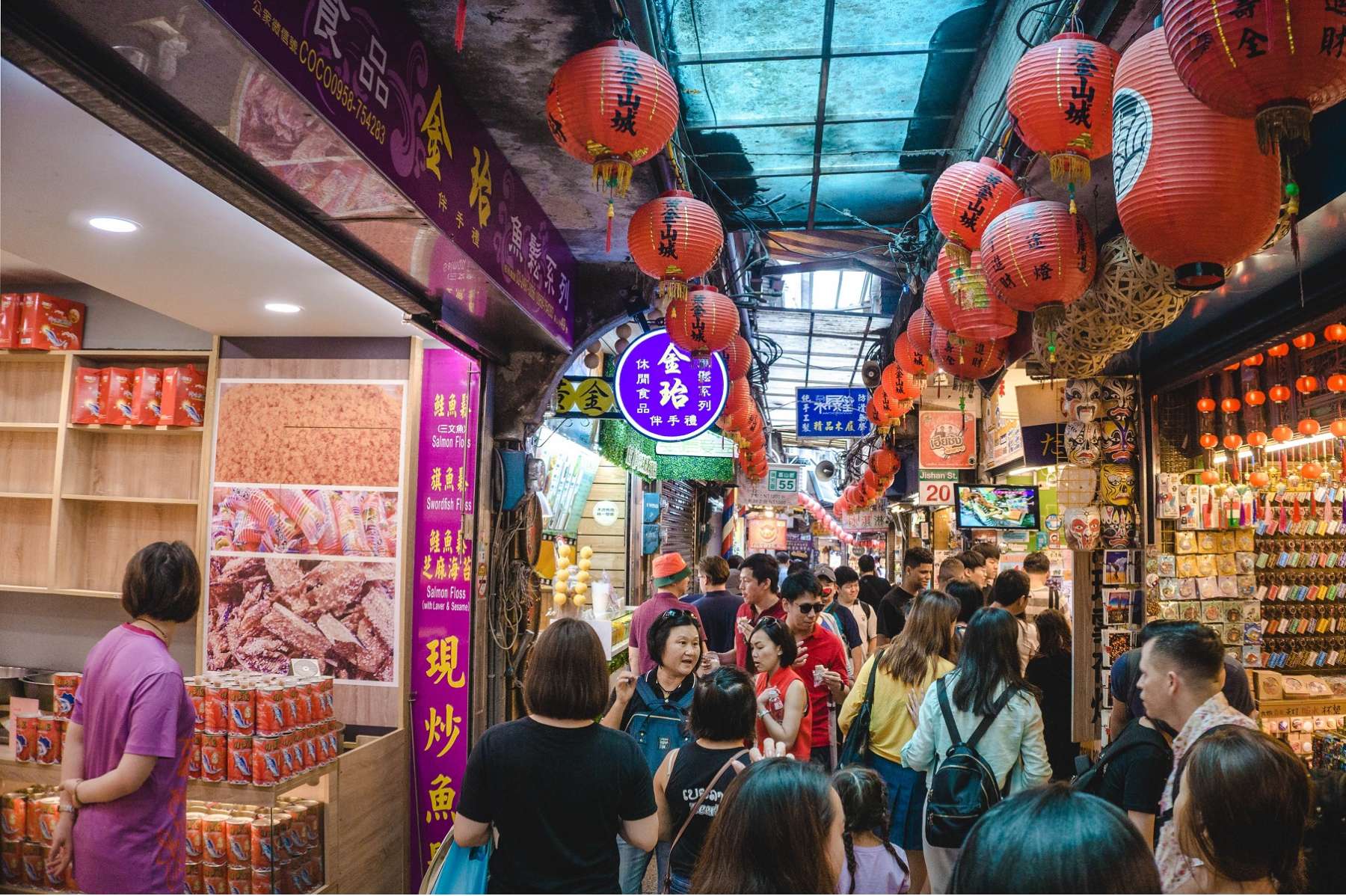
Consider for a moment the merchant in a narrow alley of the Tehran bazaar. He doesn't see the world through the lens of high-level geopolitical strategy. He sees it through the price of saffron and the fluctuating value of a currency that feels like sand slipping through his fingers. For him, the "white flag" isn't about politics. It is about the ability to breathe. To trade. To exist without the constant, low-frequency hum of impending conflict vibrating in his chest.
This is where the cold facts of a news cycle meet the messy reality of human life.
The Psychology of the Ultimate Standstill
Conflict is expensive. Not just in terms of the billions of dollars funneled into defense budgets or the calculated risks of oil prices, but in human capital. We often view international relations as a game of chess played by giants. We see the board, the pieces, and the grand maneuvers. But we forget that every move affects the ground beneath our feet.
Trump’s rhetoric has always been built on the foundation of the "win-lose" dynamic. In his world, there is no room for the gray areas of diplomatic stalling. You either win, or you wave the flag. This perspective views the current tension not as a delicate balance of power, but as a negotiation that has gone on far too long. By calling for the white flag, he is demanding a definitive end to the uncertainty that plagues global markets and international security.
Why does this matter to someone sitting in a coffee shop in Des Moines or a boardroom in London? Because uncertainty is the silent killer of progress. When two nations are locked in a perpetual state of "will they or won't they," the rest of the world holds its breath. Investment slows. Innovation takes a backseat to preservation. We are all, in some small way, hostages to the stalemate.
The Invisible Stakes of a Global Poker Game
Let’s look at the mechanics of the pressure. It isn't just about rhetoric; it’s about the tightening of a metaphorical noose. Imagine a hypothetical scenario: a shipping company trying to navigate the Strait of Hormuz. Every time a headline breaks about a "white flag" or a new threat, the insurance premiums on those ships spike. That cost doesn't vanish into the ether. It travels. It moves from the shipping manifest to the distributor, then to the retailer, and finally to the price tag on the shelf in your local store.
This is the "invisible tax" of geopolitical tension.
The call for a white flag is, in Trump’s view, a call for the restoration of order. He isn't interested in the nuances of a thousand-year-old cultural pride or the complex internal politics of a revolutionary government. He sees a disruptor and wants a resolution. It is the blunt force trauma of American exceptionalism meeting the immovable object of Persian history.
But what does a white flag actually look like in 2026? It isn't a literal piece of cloth. It is a series of concessions that would fundamentally alter the identity of the Iranian state. For the leaders in Tehran, waving that flag is seen as a death sentence for their ideology. For the people on the street, it might be the only way to see a future that includes a stable economy. This is the tragic paradox of the situation: the very thing that might save the people is the thing that would destroy the pride of the system that governs them.
The Language of Power and the Silence of Diplomacy
We have grown accustomed to the shouting. The 24-hour news cycle requires a constant stream of high-stakes drama to keep the wheels turning. When a leader uses a phrase like "white flag," it cuts through the noise because it is so final. It is an ultimatum wrapped in a metaphor.
Diplomacy is usually a language of "maybe" and "perhaps." It is a slow, agonizing process of moving millimeters over decades. Trump’s approach is the opposite. It is the sledgehammer. By framing the situation as a choice between total surrender and continued ruin, he bypasses the traditional channels of State Department nuance.
Consider the impact on the younger generation in Iran—the digital natives who use VPNs to see a world they are told is their enemy. They are caught in the crossfire of this language. They hear the call for a white flag and see it not as a sign of weakness, but as a potential doorway to the global community. Or, conversely, they see it as an insult to their sovereignty, a demand for submission from a Western power that doesn't understand their soul.
This emotional tug-of-war is the real battlefield. It isn't fought with drones or missiles, but with words and perceptions.
The Cost of the Long Game
There is a specific kind of exhaustion that comes from living in a state of permanent "almost-war." It’s a fatigue that settles into the bones of a society. When Trump speaks of the white flag, he is tapping into that fatigue. He is betting that the world—and the Iranian people—are tired enough of the struggle to prefer a definitive end, even if that end comes through surrender.
History tells us that white flags are rarely the end of the story. They are usually just the beginning of a new, equally complex chapter. Think of the Treaty of Versailles or the fall of the Berlin Wall. The moment the flag is raised, the real work begins. The power vacuum left behind by a surrendered ideology is often filled by something even more unpredictable.
We tend to think of peace as the absence of noise. But true peace is the presence of a functioning, sustainable system. A white flag might stop the shouting, but it doesn't automatically build the bridges.
The Mirror of American Ambition
Ultimately, when we talk about Trump’s demands on the world stage, we are also talking about the American identity. His rhetoric reflects a desire for a world that is easily categorized—winners, losers, and those smart enough to know when to quit. It is a business-centric view of the universe where every conflict has a price and every opponent has a breaking point.
But the world is rarely that clean.
The human element—the pride, the fear, the historical memory of a people—is the friction that slows down the "art of the deal." You can't always negotiate away a sense of destiny or a belief in a cause. This is the gamble of the "white flag" strategy. If it works, it’s a masterstroke of pressure. If it fails, it only hardens the resolve of the person on the other side of the table.
We are watching a high-stakes experiment in human psychology. It is a test of whether the modern world’s need for economic stability can override the ancient human drive for sovereignty.
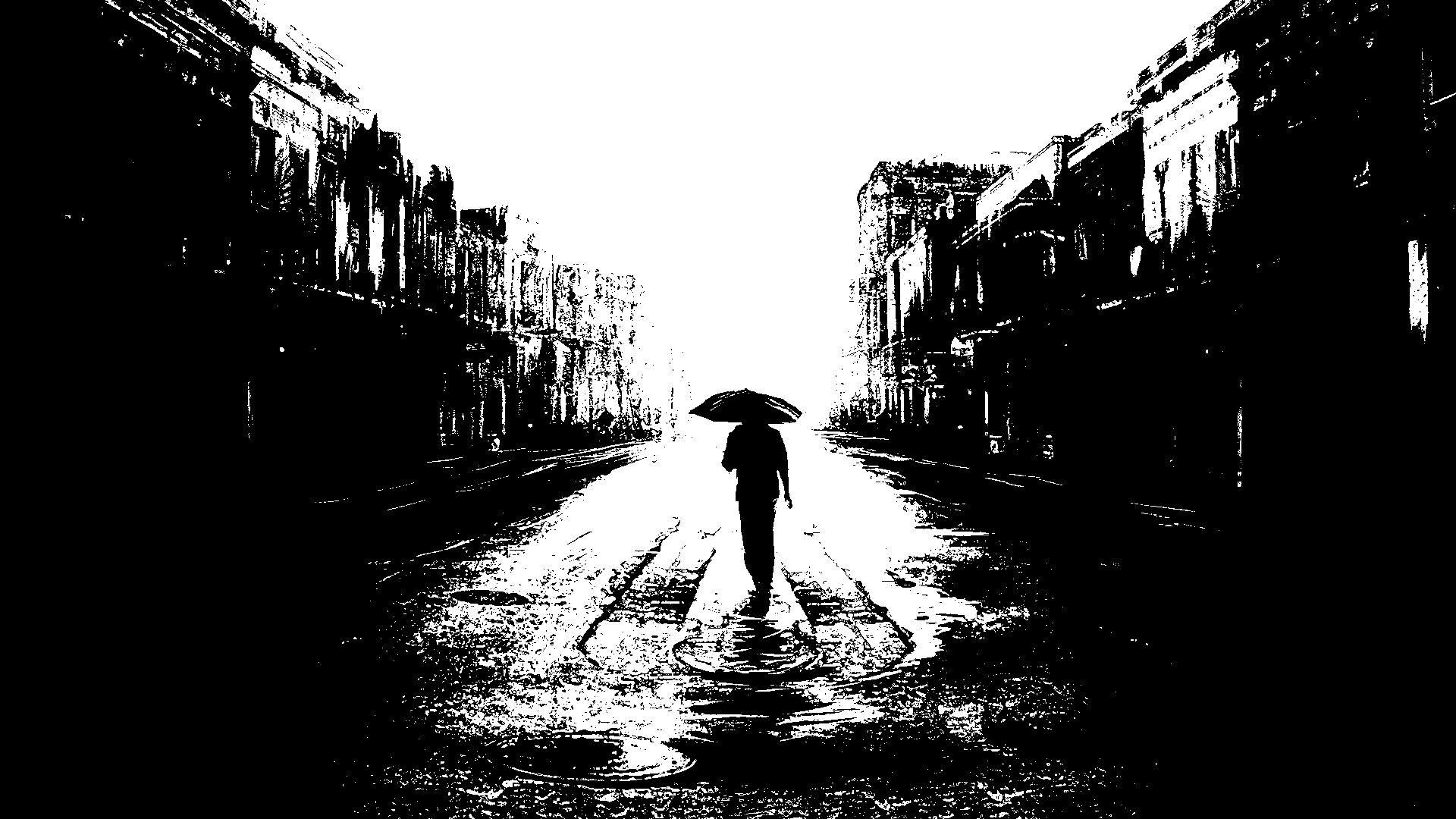
Imagine the silence that follows a surrender. It is heavy. It is expectant. It is the sound of a world waiting to see what happens when the bravado stops and the reality of a new order begins. The white flag isn't just a signal to the enemy; it’s a signal to the spectators. It tells us that the old rules no longer apply, and that the price of holding out has finally exceeded the cost of giving in.
The merchant in Tehran still waits. The shipper in the Strait still watches the horizon. The politician in Washington still measures the applause. And the flag, whether it stays in the pocket or rises to the mast, remains the most powerful symbol of our collective inability to find a middle ground.
In the end, surrender is never just about the one who gives up. It is about the world that is left to pick up the pieces of the peace that follows.
A flag is just a piece of cloth until someone decides it is worth more than their life. Or until they realize that their life is worth more than the flag.