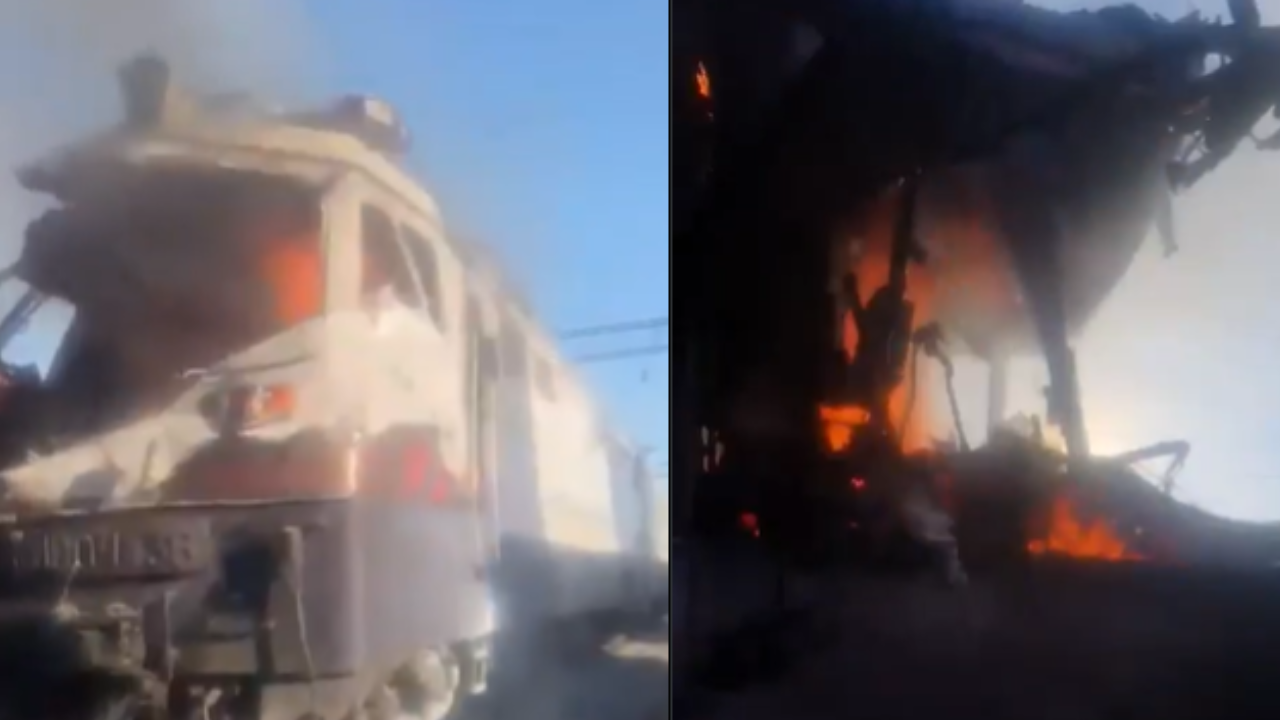
The physical safety of civilian transit networks just shattered completely. When a passenger train carrying hundreds of people gets struck by a missile strike, the rules of modern conflict shift into darker territory. Two lives ended instantly. Dozens more suffered injuries. Ukrainian President Volodymyr Zelenskyy stepped forward to denounce the assault on civilian infrastructure, highlighting a terrifying reality for anyone commuting across active conflict zones.
Railways remain the literal backbone of civilian movement inside Ukraine. Airspace is closed. Roads carry constant military convoys and face heavy shelling. Millions rely on passenger trains to escape front-line horrors or visit displaced family members. Striking a train filled with civilians isn't just an operational tragedy. It is a direct escalation against non-combatants.
The Logistics of Targeting Civilian Transport
Let's look at how modern rail systems operate under wartime conditions. You cannot simply hide a passenger train. These massive steel carriages crawl along open tracks across flat terrain. Schedules, while altered for security, follow physical infrastructure that any satellite network can map with brutal precision.
When a passenger carriage goes up in flames, the humanitarian cost outweighs any theoretical military justification. The train carried 340 individuals on board. That is 340 families, workers, children, and elderly citizens trying to survive a brutal winter. Smoke billowed across the countryside as emergency crews rushed toward mangled metal.
We see a repeating pattern in how critical infrastructure gets treated. Power grids, water treatment plants, and now railway networks take direct hits. This systematic pressure aims to break the psychological endurance of the civilian population. Yet, railway workers keep showing up. Conductors patch tracks overnight. Engineers drive through blackouts. The resilience of the rail crews defies the terror outside their windows.
Breaking Down International Humanitarian Law
You hear politicians throw around terms like war crimes constantly. Let's ground that in actual legal frameworks. The Geneva Conventions explicitly protect civilians and civilian objects. Transport networks used primarily by non-combatants hold protected status under international law.
When a missile slams into a passenger rail car, it violates fundamental principles of distinction and proportionality.
- The target was a civilian train.
- The occupants were non-combatants.
- The military utility of a civilian transport run is non-existent.
Legal scholars point out that establishing command responsibility for such strikes takes months or years of forensic evidence gathering. Investigators need missile fragments, telemetry data, and intercepted communications to prove intent. But the immediate human toll needs no investigation. The bodies are real. The grief is absolute.
What Normal People Face Daily
Living through a transport network crisis changes your brain. Imagine checking a train schedule not for a vacation, but to figure out if you will survive the next forty miles. People pack single suitcases containing their entire lives. They sit in darkened carriages with curtains drawn tightly against the windows, praying the air raid sirens stay silent.
I spoke with logistics coordinators who manage regional transport lines. They describe a nightmare scenario every single day. Track maintenance crews work under constant threat of drone surveillance. Signal operators guide trains through hacked communication channels. Every departure feels like a gamble.
The psychological weight trickles down to international observers, too. When a state actor targets a passenger train, the international community faces a credibility test. Condemnations roll in via social media posts and diplomatic briefings. Sanctions tighten another notch. But sanctions don't put out fires or bring back the dead.
Moving Forward From the Wreckage
Rebuilding bombed rail lines requires specialized engineering teams working at breakneck speeds. Steel rails get twisted like ribbon under high explosive blasts. Wooden and concrete ties splinter into dust. Yet, within hours of an attack, repair crews often arrive on site. They weld, bolt, and ballast the roadbed back into shape before the smoke even clears.
This infrastructure battle proves that keeping a society connected is an act of resistance. Every train that successfully completes its journey denies the aggressor total victory. The world watches these events unfold through fragmented smartphone videos and official statements. We must look past the statistics and recognize the human cost of targeting the tracks that bind a nation together. Support the humanitarian organizations on the ground keeping rescue lines open, demand accountability from international bodies, and refuse to let these attacks fade into background noise.