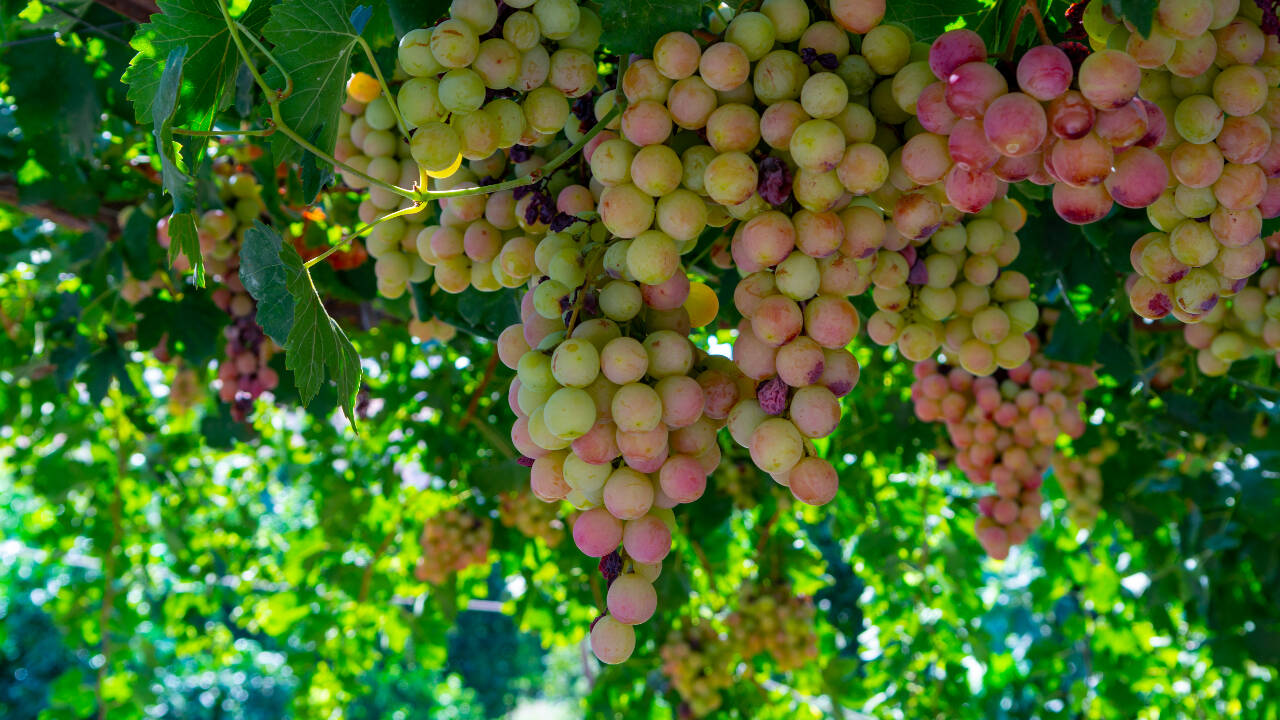
When thermometers push past 45 degrees Celsius and water prices double, traditional vineyard management stops working. Australian wine growers are facing a brutal reality check. Decades of planting thirsty European varieties like Shiraz and Chardonnay in semi-arid regions are catching up to the industry. The solution isn't a complex chemical additive or a multi-million-dollar drip irrigation upgrade. It is an ancient white grape variety from Cyprus called Xynisteri that cuts water use by 75 percent.
If you think vineyards can simply adapt by watering more often, you don't understand modern agricultural economics. Temporary water market prices in places like the Lower Murray Darling Basin have spiked significantly, jumping from AU$187 to roughly AU$400 per megalitre. Meanwhile, grape oversupply has driven prices down so low that some growers are literally mulching entire blocks of Shiraz because they can't sell the fruit for more than $100 a tonne. You cannot out-water a structural crisis. You have to change the plant.
The Mediterranean Import Changing South Australia
Xynisteri isn't a modern lab creation. It has been cultivated in Cyprus for over 5,500 years. Researcher Dr. Alexander Copper first brought the variety to Australia in 2018, looking for eastern Mediterranean alternatives that could handle a warming climate. Early trials in cooler spots like McLaren Vale didn't take off, but when the vines landed in South Australia's Riverland, they found a home.
The region's limestone-dominant soils mirror the terroir of Cyprus. More importantly, the physiology of the vine is built for abuse. While standard blocks demand irrigation every couple of days during peak summer, Xynisteri vines can go months without a single drop of water.
Yianni Koutouzis, a Riverland grower managing around 800 of these vines, found out firsthand during a brutal 49-degree Celsius heatwave. While surrounding conventional blocks suffered severe heat stress and fruit burning, his Xynisteri vines showed virtually no damage.
Why Root Structure Matters More Than Irrigation Schedules
Most commercial wine grapes have relatively shallow root systems tailored to temperate European environments. They depend on frequent watering to survive dry spells. Xynisteri operates differently. Pot trials show its root architecture can grow three to four times the mass of a standard Shiraz root system, plunging deep into the soil profile to scavenge hidden moisture.
Thick skins provide another layer of natural armor against scorching winds and intense solar radiation. Pests and fungal pressures that usually plague stressed vines slide off this ancient variety.
Growers shifting to this crop aren't just saving liquid assets; they are fundamentally rethinking how perennial horticulture survives climate volatility. Peter Hayman, a principal climate scientist at the South Australian Research and Development Institute, points out that perennial crops don't have the luxury of annual crops. You can't just skip planting a vineyard for a season when water gets too expensive. You have to keep the permanent wood alive, making drought-resistant varieties an absolute necessity for long-term viability.
Moving From Experimental Plots to Commercial Bottling
Transitioning away from legacy varieties is risky. Wineries spent decades building consumer recognition around classic labels. Yet, forward-thinking vignerons are proving the gamble pays off.
In the Barossa Valley, Paul and Mara Georgiadis started with a modest trial of 90 Xynisteri vines in 2021. That trial expanded past 600 vines, culminating in the first commercial bottling of the variety in Australia. Consumer taste tests back up the commercial shift, showing that the flavor profile of Australian-grown and imported Cypriot samples holds its own against traditional white choices, hitting high notes of grapefruit and tropical fruit due to rich thiol compounds.
If you manage land in a drying climate, clinging to outdated agricultural habits is a fast track to insolvency. Audit your current water expenditure, look into climate-resilient regional imports, and start small with multi-year trials before your local water allocation prices price you out of business completely.