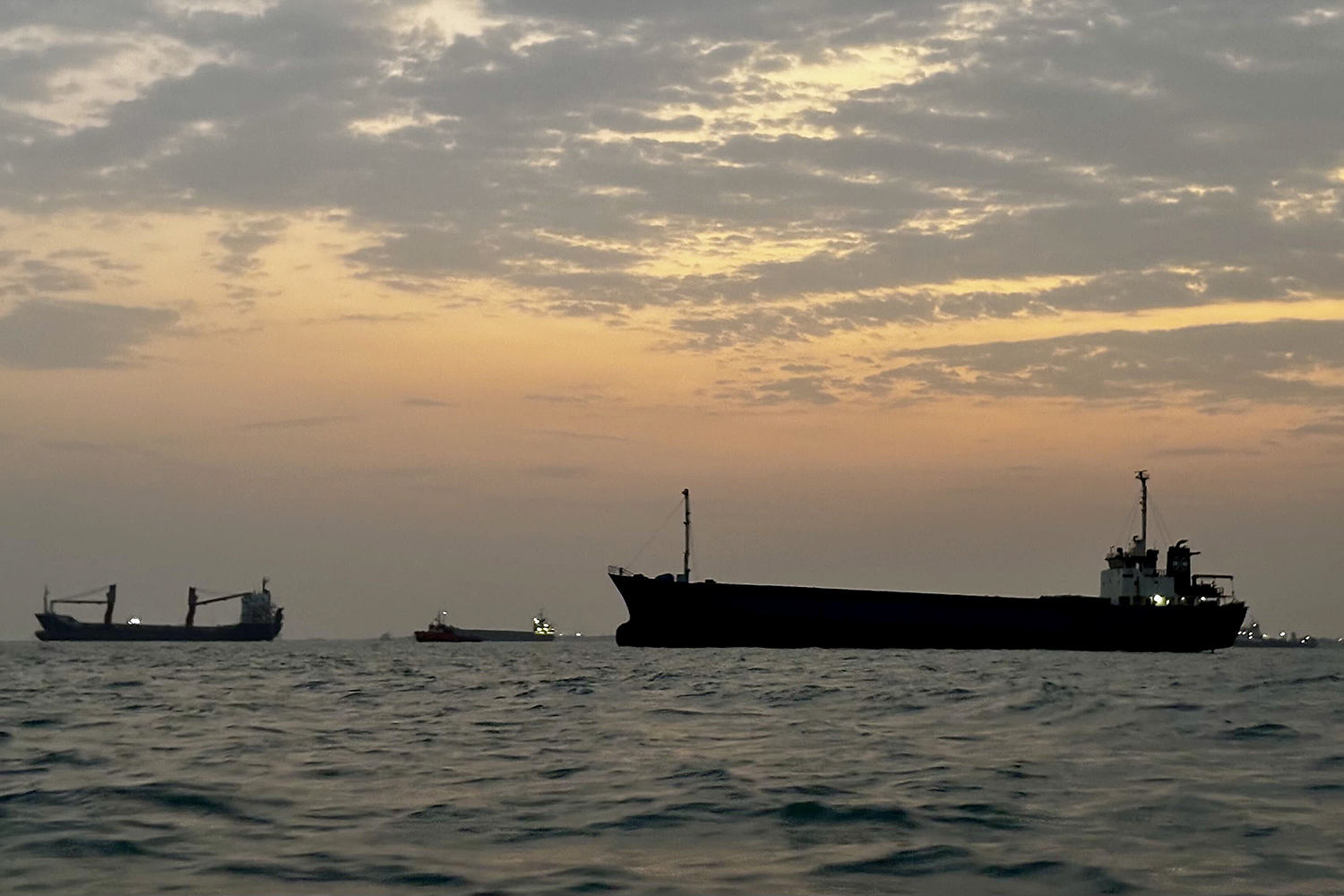
You have probably never looked at a map of the Red Sea and worried about a twenty-mile stretch of water. But every time you buy electronics, fill up your car, or wait weeks for an online order to arrive, you are dealing with the fallout of the Bab al-Mandab Strait.
Its name translates from Arabic as the "Gate of Tears". Historically, sailors gave it that moniker because the navigation hazards were brutal. Today, it earns that name because a single security crisis here brings global supply chains to their knees. When this narrow chokepoint gets squeezed, inflation ticks up worldwide.
Geography Turns a Pocket of Water into Global Power
The Bab al-Mandab sits between the southwestern corner of the Arabian Peninsula—specifically Yemen—and the Horn of Africa, home to Djibouti and Eritrea. It connects the Gulf of Aden and the Indian Ocean to the south with the Red Sea to the north. From there, ships slide straight up through the Suez Canal into the Mediterranean Sea.
Without this aquatic highway, vessels traveling from Asia to Europe have to take the long way around the Cape of Good Hope at the bottom of Africa. That detour adds thousands of miles and weeks of travel time to a standard voyage.
Right in the middle of the strait sits a volcanic Yemeni island called Mayun, or Perim. This landmass splits the corridor into two distinct channels:
- The Eastern Channel (Bab Iskender): Narrower and shallower, mostly used by smaller regional craft.
- The Western Channel (Dact-el-Mayyun): Wide, deep, and able to handle the massive draft of modern container ships and oil supertankers.
Control the shores or the island, and you control who gets through. That reality has turned a remote slice of geopolitics into a daily headline.
The Real Cost When Ships Turn Around
People think of global
Why the Bab al Mandab Strait Controls Your Grocery Bill
news
You've probably never looked at a map of the Red Sea and wondered how it affects your morning coffee or the price of gas at your local pump. That's a mistake.
A narrow strip of water separating the Arabian Peninsula from the Horn of Africa is quietly holding global trade hostage. It's called the Bab al-Mandab Strait, and if you haven't heard of it yet, you're about to feel its absence in your wallet.
Trade routes aren't abstract lines on a classroom globe. They're fragile physical corridors. When one of them breaks, the entire supply chain fractures. Let's talk about why this twenty-six-mile-wide chokepoint matters more than ever right now.
The Geography of a Bottleneck
Look at a globe. If a cargo ship wants to travel from Asia to Europe without spending weeks going around the entire continent of Africa, it has to use the Suez Canal. But the canal doesn't sit in an ocean by itself. It connects to the Mediterranean Sea on one end and the Red Sea on the other.
At the southern exit of the Red Sea lies the Bab al-Mandab Strait. Translating roughly to the Gate of Tears in Arabic, the name isn't poetic decoration. It's a warning.
The channel is split into two narrow shipping channels by a tiny volcanic island called Perim. Each channel is only a few miles wide. Thousands of commercial vessels squeeze through this watery needle every single year. Around twelve percent of total global trade passes through here. That includes massive volumes of crude oil, liquefied natural gas, and consumer electronics heading from factories in Asia to markets in Europe and North America.
When you cram that much global commerce into a space so narrow, security becomes an illusion.
What Happens When the Gate Closes
Geopolitics used to feel distant. You heard about conflicts on the evening news, bought your groceries, and went to work. But modern supply chains run on thin margins and exact timing. They don't have built-in slack.
When security threats force shipping companies to avoid the Bab al-Mandab Strait, the alternative is brutal. Ships have to turn around, head back down past the Suez, and sail all the way around the Cape of Good Hope at the southern tip of Africa.
That detour adds roughly ten to fourteen days to a one-way voyage. It burns thousands of extra metric tons of bunker fuel. It ties up container ships for weeks longer than planned, which creates artificial shortages of empty containers back at Asian ports.
Shipping costs spike overnight. Insurers panic and charge astronomical war-risk premiums. Who pays for all of that? You do. Every single cent gets added to the final retail price of the goods sitting on store shelves.
The Real Cost at Your Local Store
People think inflation is just a monetary policy problem managed by central bankers. Sometimes it's just logistics.
When fuel and shipping rates double because vessels are dodging trouble zones near the Horn of Africa, manufacturing components get delayed. Auto plants slow down. Retailers raise prices to protect profit margins.
You see the impact on imported clothing, machinery parts, and energy commodities. Energy markets react instantly to any hint of supply disruption near the strait. If tankers carrying petroleum products have to take the long route around Africa, oil futures tick upward. Gas stations adjust their prices the very next morning.
It's a stark reminder that our economic stability relies heavily on maritime choke points managed by fragile diplomatic balances and military patrols.
Navigating the Geopolitical Pressure Cooker
The strait is bordered by Yemen on the Arabian Peninsula and Djibouti and Eritrea on the African side. Yemen's ongoing civil war and the aggressive actions of militant groups operating along its coastline have turned the surrounding waters into a high-risk zone.
Major navies maintain a constant presence here to escort commercial traffic, but warships can't be everywhere at once. The threat of drones, anti-ship missiles, and small boat attacks means captains are constantly making judgment calls on whether to risk the transit or accept the massive financial penalty of a detour.
Diplomacy moves slowly. Shipping companies move fast. When safety margins shrink, commerce simply stops taking chances.
Stop thinking of global trade as an invisible, self-healing network. It's a physical highway system, and the Bab al-Mandab Strait is its most vulnerable overpass. Pay attention to what happens in these narrow waters, because your household budget feels the shockwaves long before the diplomatic cables are even written.