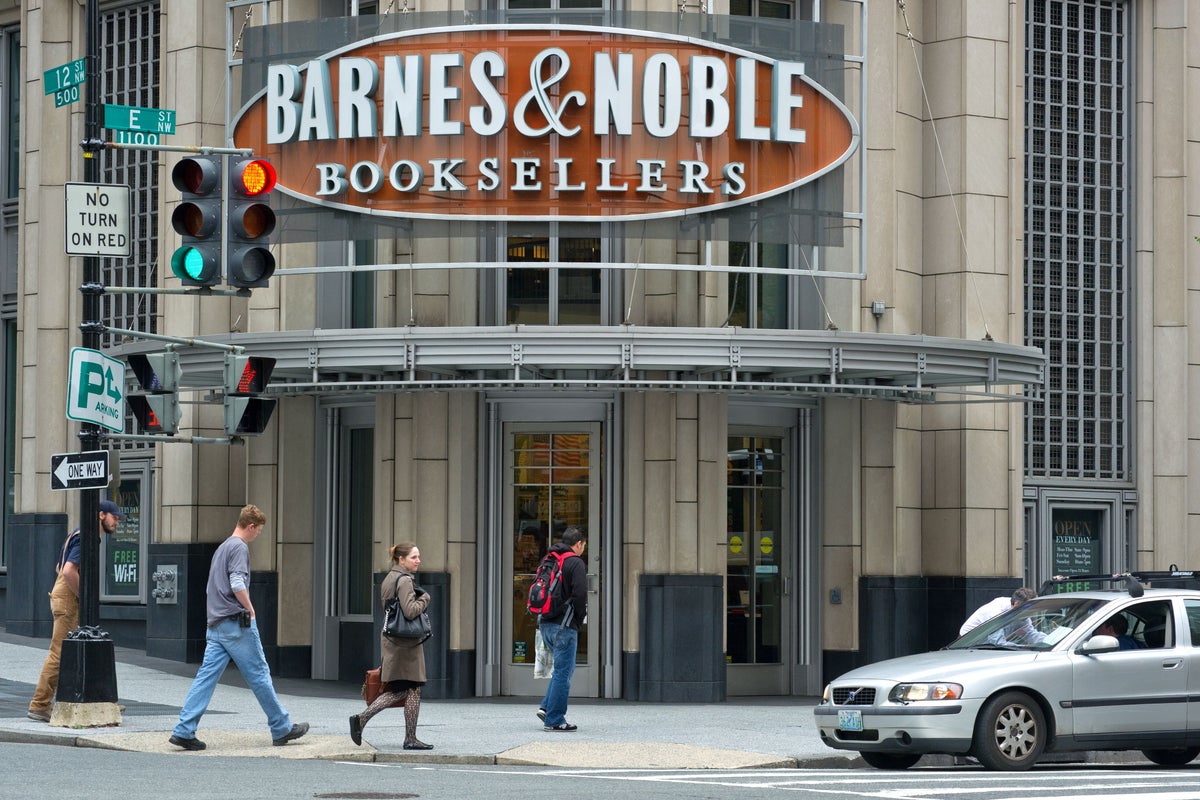
The corporate death watch for Barnes and Noble has officially been canceled. For years, media outlets chronicled the slow bleed of America's last remaining national bookstore chain, treating its decline as the inevitable casualty of digital commerce. Yet the bookseller is aggressively expanding its physical footprint, opening dozens of new stores across states like California, Texas, Florida, and Pennsylvania, pushing its nationwide store count past the seven-hundred mark.
This sudden physical renaissance is widely misattributed to algorithmic tailwinds like social media reading trends or post-pandemic nostalgia. That narrative is lazy. The real mechanism behind the bookstore boom is an aggressive rejection of corporate uniformity that nearly killed the company in the first place.
For decades, the chain operated under a rigid, highly centralized model. Every branch across the country looked identical, down to the promotional tables near the front entrance. Publishers paid handsome co-op fees to secure prominent stack placements, meaning inventory decisions were made in corporate boardrooms rather than local neighborhoods. Customers walked into a sterile emporium where commercial predictability trumped actual literary curation. Foot traffic evaporated because the stores had all the soul of an airport terminal.
The turnaround began when leadership tore up the corporate playbook and abandoned central planograms. Under the direction of industry veteran James Daunt, the company decentralized its inventory. Store managers and frontline booksellers were suddenly handed the autonomy to curate their own shelves based on what their specific communities actually wanted to read.
An outlet in San Antonio now looks completely different from an outlet in Chicago or a newly minted storefront in the East Village. One location might lean heavily into regional history and localized children's literature, while another elevates translated fiction or literary criticism. By decentralizing authority, the chain stopped acting like a top-down big-box monolith and started behaving like a federation of high-performing independent bookstores.
Real estate strategy shifted in tandem. Instead of clinging exclusively to cavernous suburban strip-mall anchors that bled money through high overhead, the brand began taking over flexible, smaller-format spaces, occasionally moving into footprint remnants left behind by failed retail concepts like Big Lots or Party City. These new locations prioritize human navigation and physical discovery over sheer square footage.
Critics often wonder if a physical bookstore expansion can survive long-term margin compression and commercial rent spikes. The answer lies in inventory psychology. When a store is genuinely well-curated by human hands rather than pushed by a publisher’s marketing budget, browse time increases. When browse time increases, basket sizes expand to include non-book merchandise like stationery, gifts, and specialty items that carry higher margins.
The physical book survived the onslaught of early e-readers because tactile reading offers a psychological refuge from screen fatigue. But surviving a format shift is entirely different from opening new brick-and-mortar storefronts at a historic clip. Barnes and Noble managed the feat by realizing that convenience belongs to online logistics giants, while physical spaces must win on serendipity.
The nationwide expansion list is expanding not because retail is magically easy again, but because the corporate philosophy changed from managing inventory spreadsheets to trusting local booksellers. The future of physical retail belongs entirely to those willing to give up central control.