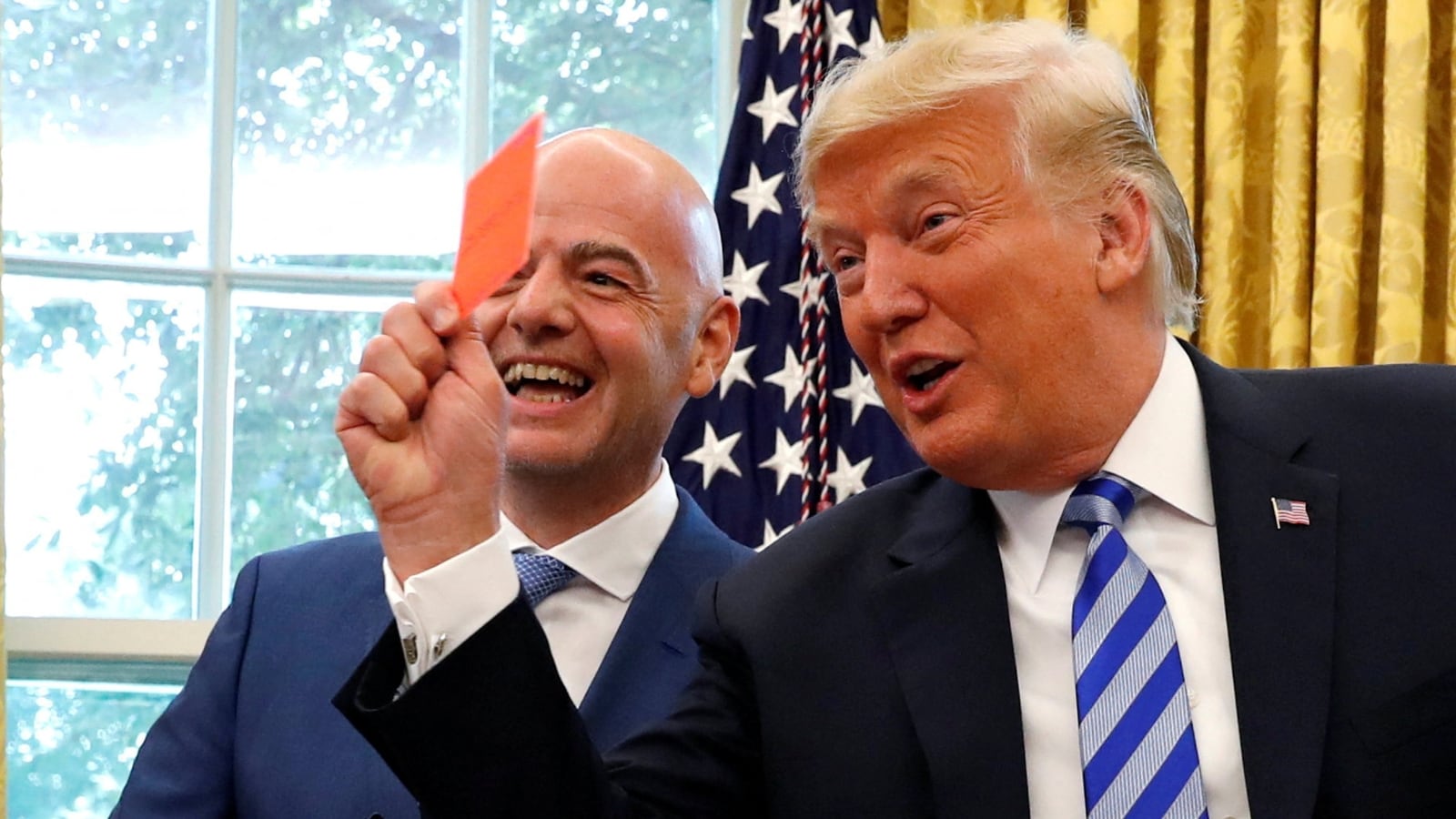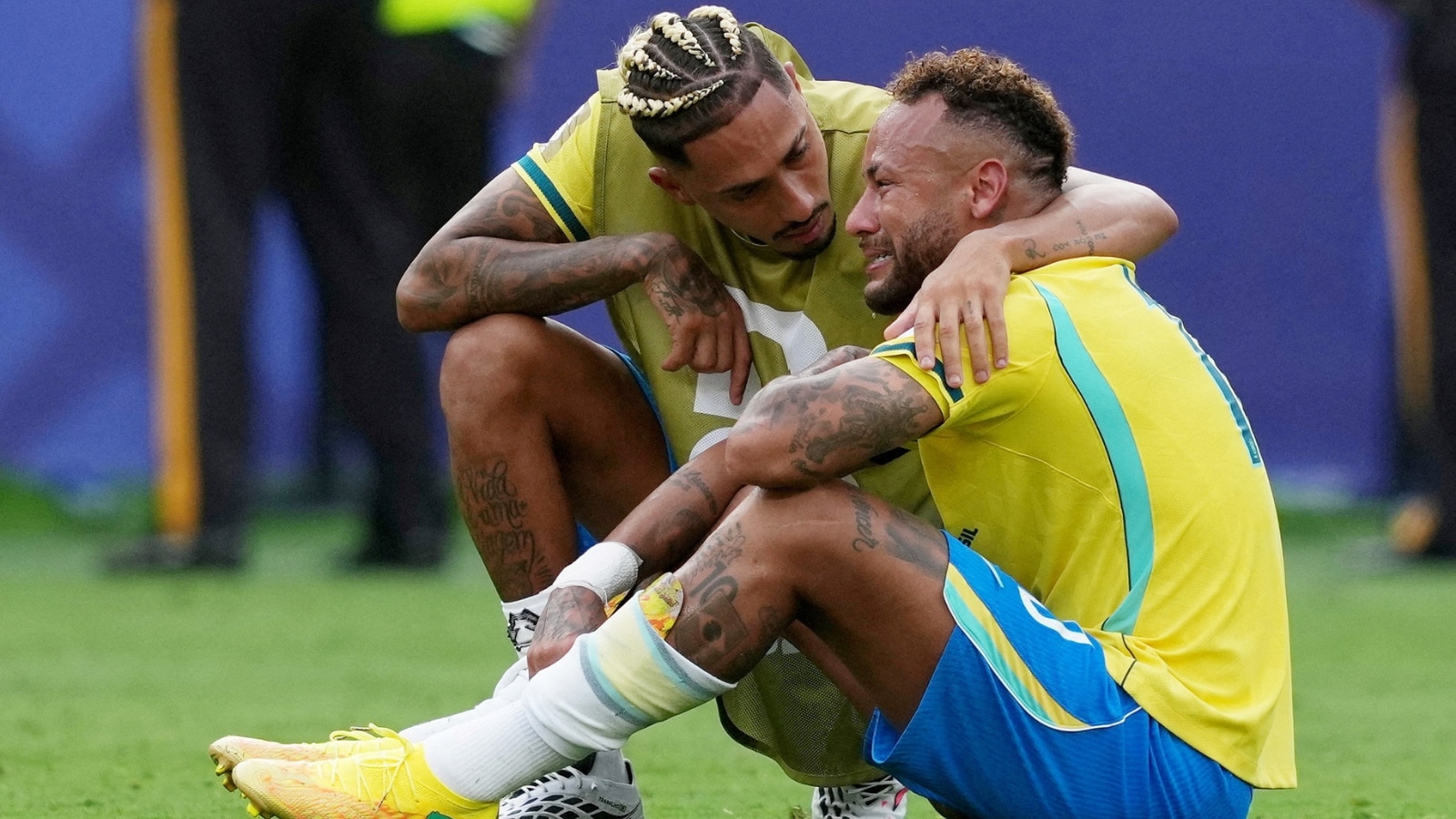
Belgium’s public outrage over FIFA’s recent intervention regarding Folarin Balogun’s red card is the perfect distillation of everything wrong with modern football governance. The narrative splashed across sports pages is entirely predictable: an established European power feels aggrieved by a sudden governing body U-turn, crying foul over inconsistency. They are looking at the rulebook through a keyhole.
The lazy consensus screams that FIFA is undermining its own referees and damaging the integrity of the international game. Also making waves lately: Why the Folarin Balogun Red Card Overturn is a Terrible Precedent for World Cup Soccer.
That take is dead wrong.
The real story isn't about favoritism toward the United States or political maneuvering ahead of major tournaments. The reality is far more disruptive: the traditional interpretation of violent conduct and denial of obvious goal-scoring opportunities is fundamentally broken, and FIFA’s intervention is a rare, desperate attempt to drag the sport’s disciplinary system into the modern era. More information on this are explored by Yahoo Sports.
The Flawed Premise of the "Absolute" Red Card
Football traditionalists love the illusion of absolute refereeing authority. When Balogun was sent off during the USA match, the immediate reaction from the Belgian bench—and subsequent media echo chamber—was that the referee’s field decision must be sacrosanct.
Let's dissect the mechanics of the incident. The modern game is played at a velocity that renders traditional human observation obsolete. When a forward utilizes their body position to shield the ball, the line between a cynical foul and natural physical leverage is razor-thin.
I have spent years analyzing disciplinary data and tracking how modern officiating bodies review match footage. The metrics show a terrifying trend: referees are increasingly penalizing the consequence of a challenge rather than the intent or the actual mechanical point of contact.
Belgium’s astonishment stems from an outdated belief that once a red card is shown, the threshold for overturning it must require a catastrophic, undeniable blunder. But insisting on a high barrier to fix an error just protects bad refereeing. It values the referee's ego over getting the call right.
Why the Disciplinary System Needs Total Disruption
The current appeal system run by continental confederations and FIFA is a bureaucratic joke. It operates on a framework designed in the 1980s.
Imagine a scenario where a financial institution spots an automated trading error that mistakenly wipes out millions in capital. They don't wait three weeks for a committee to debate whether the algorithm's feelings will be hurt if they reverse the transaction. They fix the ledger immediately.
FIFA's U-turn on the Balogun card shouldn't be viewed as a scandal. It should be viewed as a blueprint.
- The Status Quo: A referee makes a split-second decision based on a bad viewing angle. The player serves a multi-match ban. The team's tactical structure is ruined for an entire tournament phase.
- The Contrarian Reality: Post-match review should be an aggressive, unsentimental audit. If the data and multi-angle high-frame-rate playback demonstrate that the contact did not meet the exact threshold of excessive force defined in Law 12, the card must vanish. Immediately.
The downside to this approach is obvious: it creates short-term logistical chaos and leaves governing bodies open to accusations of bias. But the alternative is worse. Protecting an incorrect decision just to maintain the illusion of refereeing infallibility is a form of institutional cowardice.
Dismantling the Inconsistency Argument
The loudest complaint from Brussels is that this U-turn sets a dangerous precedent for inconsistency. "If Balogun gets off, why didn't our player get off three months ago?"
This question is fundamentally flawed because it assumes all bad tackles are created equal. They aren't.
Football infrastructure expert IFAB (International Football Association Board) constantly updates its clarifications on what constitutes serious foul play. Yet, fans and national associations treat the rulebook like a static text. The reality is that biomechanical analysis now allows us to differentiate between a player losing control of their momentum and a player deliberately initiating contact to cause harm.
In the Balogun incident, the telemetry of the movement showed a standard tracking run where the defender initiated the upper-body contact, causing a chain reaction that looked far worse on live television than it actually was. FIFA’s disciplinary panel didn't undermine the referee; they corrected a visual optical illusion.
The Actionable Order for International Football
National associations need to stop whining to the press and start adapting to the fact that algorithmic and video-driven scrutiny will only intensify. If your sporting director is still relying on emotional appeals and traditional highlight reels to contest disciplinary actions, you are losing before you even enter the boardroom.
Teams must invest in their own biomechanical review analysts. When a player is dismissed, the immediate response shouldn't be a generic statement of astonishment. It must be a precise, data-backed submission detailing joint angles, force metrics, and point-of-contact deceleration.
FIFA opened this door. Don't complain about them walking through it. Force them to keep it open for everyone else by using their own logic against them.
Stop defending the broken sanctity of on-field errors. The future of football discipline belongs to the absolute, cold reality of objective review, and Belgium's outdated shock is just the dying gasp of a footballing philosophy that deserves to be left behind.