Every travel blog and eco-tourism pitch loves a clean, romantic myth. The narrative writes itself: a forgotten coast, a hidden underwater wonder, a miraculous rediscovery of Benin's unique coral reef. It sounds great for a glossy brochure. It plays well on social media. There is just one tiny, inconvenient problem.
It is completely false. Meanwhile, you can read related developments here: The Sky Above the Olive Groves Turned the Color of Bruised Iron.
I have spent years diving off the West African coastline, tracking marine ecosystems from Senegal down to the Niger Delta, and watching well-meaning organizations throw millions of dollars at conservation phantoms. The persistent myth of Benin’s coral reef is a masterclass in modern environmental wishful thinking. People want an underwater Eden in the Gulf of Guinea, so they simply invent one.
Let us dismantle the fiction right now. Benin does not possess a thriving, vibrant coral reef ecosystem waiting to be saved or exploited by boutique eco-resorts. What exists along that high-energy, heavy-sediment coast is a dynamic, brutal marine environment characterized by rocky outcroppings, artificial structures, and scattered sub-tidal algal communities—not delicate, reef-building scleractinian corals. To explore the bigger picture, we recommend the excellent analysis by Lonely Planet.
When mainstream media outlets celebrate the rededication or rediscovery of this so-called "unique reef," they are engaging in a dangerous game of semantic drift. They take sparse patches of hard substrate colonized by resilient marine organisms and inflate them into a barrier reef. This matters because when you misdiagnose an ecosystem, every dollar you spend on protecting it is actively wasted.
The Geography of Reality
To understand why a true coral reef cannot survive off the coast of Benin, you do not need a degree in marine biology. You just need to look at basic oceanography.
Real coral reefs require specific conditions: warm, clear water with low nutrient loads, high salinity, and stable, hard substrates. They thrive where visibility is high because zooxanthellae—the microscopic algae living within coral tissue—need sunlight to photosynthesize.
Now, look at the Bight of Benin.
This coastline is dominated by powerful longshore currents, massive freshwater discharge from regional river systems like the Mono and Niger basins, and intense wave action. The water here is turbid, heavy with suspended sediment, and nutrient-rich. It is an upwelling-influenced zone.
Imagine a scenario where a marine biologist tries to plant fragile branching corals in an environment where visibility rarely exceeds a couple of meters and the sediment load constantly threatens to smother any benthic life. It is an ecological execution.
Yet, local tourism boards and breathless journalists keep pushing the reef narrative because "rocky intertidal zones with hardy encrusting organisms" does not make for a compelling weekend getaway pitch. By bending ecological definitions to fit a marketing brief, we obscure the actual marine environments that do need our attention.
What They Are Actually Looking At
When researchers or local divers find something interesting underwater in Benin, what are they seeing?
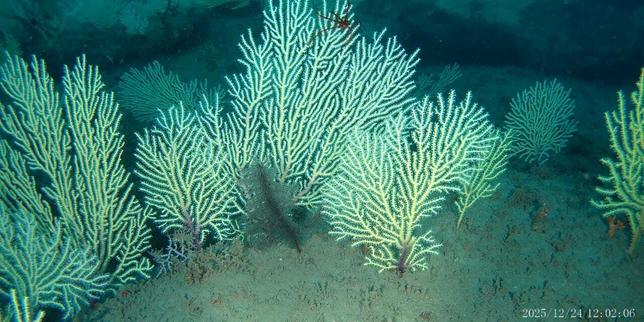
They are looking at artificial reefs created by shipwrecks, submerged infrastructure, or isolated rocky platforms. These structures provide hard surfaces where barnacles, oysters, sponges, and isolated colonies of octocorals or resilient stony corals manage to anchor themselves.
These spots are fascinating. They act as fish aggregation devices, creating localized biodiversity hotspots in an otherwise sandy, shifting coastal seabed. I have mapped several of these submerged wrecks myself. They teem with groupers, snappers, and pelagic visitors riding the currents.
Call them artificial reefs. Call them marine oases. Call them historical relics reclaimed by the sea. Just stop calling them natural coral reefs.
The distinction is not academic semantics. Treating a localized cluster of shipwreck colonization as a pristine reef shifts the focus away from the actual pressures facing Benin’s marine life.
The Real Crisis on the Coast
While the media chases the ghost of a coral reef, the actual coastal ecosystems of Benin are facing severe, systemic threats that receive zero press because they are not photogenic.
Coastal erosion is eating away at the shoreline at alarming rates. Entire fishing villages near Grand Popo have been swallowed by the Atlantic over the past two decades. The culprit is not climate change alone, but a deadly cocktail of upstream dam construction, sand mining, and poorly planned port expansions that starve the beaches of sediment.
At the same time, overfishing by industrial trawlers—many operating under opaque licensing agreements—is stripping the continental shelf bare. Artisanal fishermen who have worked these waters for generations are pulling up empty nets while the government looks the other way for foreign currency.
Pouring resources into protecting a non-existent coral reef while coastal communities lose their homes to erosion and artisanal fishers lose their livelihoods to industrial overexploitation is the height of administrative absurdity.
The Downside of Our Contrarian Fix
Let us be completely transparent about the fallout of this hardline stance.
When you strip away the romanticized myth of a coral reef, you risk deflating the enthusiasm of international donors and eco-tourism advocates who respond primarily to charismatic branding. Conservation funding is notoriously fickle. It runs on catchy slogans, vibrant imagery, and the promise of pristine wilderness. Tell a donor that they are funding the stabilization of a rocky breakwater and the regulation of artisanal fisheries, and their checkbook stays closed. Tell them they are saving an ancient, secret coral reef, and the funds flow instantly.
That is the pragmatic trap. Lie a little bit, get the funding, and hope some good trickles down to the actual marine life.
I reject that trade-off. Building conservation efforts on a foundation of scientific falsehoods always collapses under its own weight eventually. When the public realizes the reef was a marketing invention, trust evaporates.
How to Fix Coastal Management in Benin
If we want to build a sustainable future for Benin's marine space, we need to abandon the fairytale playbook and adopt a cold, empirical approach.
First, redirect funds from phantom reef monitoring toward combating severe coastal erosion through nature-based engineering—such as restoring mangrove buffers and implementing intelligent sediment management rather than slapping down concrete groins that only displace the problem further down the beach.
Second, empower local fishing cooperatives to manage territorial use rights in fisheries. The people who depend on these waters for survival know the migration patterns and spawning grounds far better than any international consultant flying in for a two-week assessment.
Third, audit the licensing agreements of industrial trawlers operating within Benin’s exclusive economic zone. Transparency in the fishing sector will do more to restore marine biodiversity in five years than a century of pretending hard corals are colonizing a high-energy surf zone.
The ocean off the coast of Benin does not need our romantic projections. It does not need a fabricated coral reef to make it worthy of protection. It needs honesty, rigorous science, and immediate action against the real forces tearing its marine life apart.
Stop looking for coral where the sand refuses to settle. Start fighting for the coast that is actually disappearing.