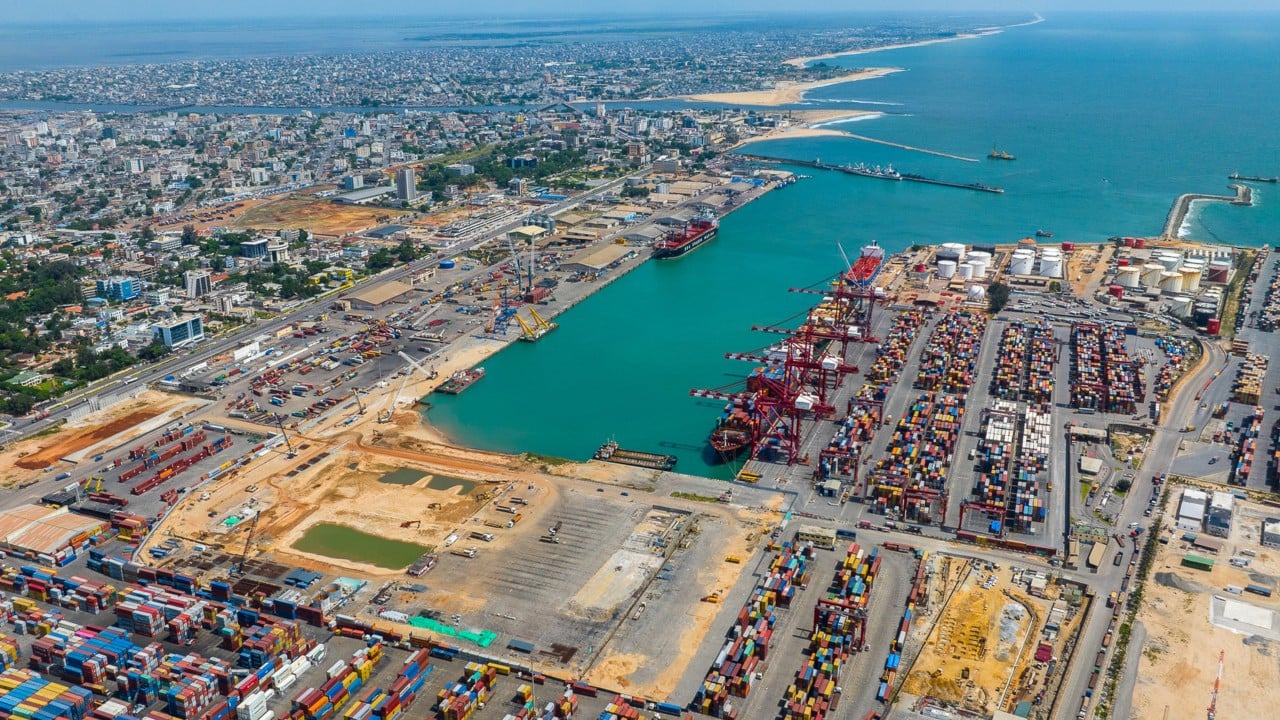
Mainstream economic commentators love a good celebratory narrative. Whenever a major infrastructure agreement is signed or a bilateral cooperation forum wraps up, the business press predictably heralds a "new era of unprecedented growth." The recent influx of Chinese capital into Benin—headlined by the expansion of the Cotonou Port, the construction of the Glo-Djigbé Industrial Zone (GDIZ), and multi-million-dollar pipeline agreements—has triggered this exact brand of lazy optimism.
The consensus view is simple, comforting, and fundamentally flawed: Benin lacks infrastructure, China has cash and engineering capacity, and therefore, this partnership will automatically lift the West African nation into middle-income status.
It is a fairy tale.
Having analyzed emerging market asset allocations and sovereign debt restructuring for over a decade, I have watched this exact movie play out across the continent. From Sri Lanka's Hambantota to Kenya’s Standard Gauge Railway, the playbook does not change. What the cheerleaders call "growth catalysis" is usually just the front-end of a sophisticated, asset-backed resource extraction mechanism. Benin is not entering a golden age of sovereign industrialization; it is hyper-extending its financial neck into a dependency trap that threatens the very economic autonomy it seeks to build.
The Manufacturing Mirage of the GDIZ
The crown jewel of the pro-China narrative in Benin is the Glo-Djigbé Industrial Zone. The promise is that by partnering with foreign capital, Benin will transition from an exporter of raw cotton and cashew nuts to a high-value textile and processing hub.
This ignores the fundamental structural mechanics of global trade.
True industrialization requires tech transfer, domestic ownership, and deep integration with local supply chains. What is happening in the GDIZ is a classic enclave economy model. Foreign firms—predominantly Chinese textile conglomerates—are setting up operations to exploit cheap Beninese labor and utilize Benin’s duty-free access to Western markets via agreements like the African Growth and Opportunity Act (AGOA).
Think about the actual value capture. A t-shirt is spun, sewn, and packaged inside an insulated zone where the machinery is imported, the management is foreign, and the tax incentives shield the corporate entity from contributing meaningfully to the state treasury. The local economy gets low-wage assembly jobs. The high-margin intellectual property, design, and distribution profits flee straight back to Beijing or Shanghai.
Benin is effectively leasing its sovereignty and its workforce to foreign actors so they can bypass Western trade tariffs. That is not an economic miracle. It is subsidized outsourcing.
The Math of the Cotonou Port Expansion
Let’s look at the numbers that the optimists gloss over. The expansion of the Autonomous Port of Cotonou is frequently cited as a vital move to position Benin as the premier maritime gateway for landlocked neighbors like Niger, Burkina Faso, and Mali.
Chinese state-owned enterprises have heavily backed these logistics corridors, including the Niger-Benin crude oil pipeline.
But look at the structural vulnerability this creates:
| Project Component | Apparent Benefit | Hidden Structural Risk |
|---|---|---|
| Port Capacity Upgrades | Higher cargo throughput and quicker turnaround times. | Increased sovereign debt exposure to Chinese state banks; vulnerability to maritime asset seizure in default scenarios. |
| Niger-Benin Oil Pipeline | Transit fees and regional geopolitical leverage. | Extreme vulnerability to regional political shocks (e.g., Nigerien coups, border closures) while debt obligations remain fixed. |
| Logistics Corridors | Enhanced regional trade integration. | Facilitates the rapid inflow of cheap foreign manufactured goods, suffocating domestic Beninese production. |
When a nation borrows heavily from Exim Bank of China to build infrastructure designed explicitly to export raw materials (oil, cotton) and import finished goods, it is reinforcing a colonial-era economic structure. It is not modernizing.
Furthermore, the financial risk is asymmetrical. If regional volatility spikes—as we have repeatedly seen with the ECOWAS tensions and political instability in the Sahel—trade volumes plummet. The transit fees dry up. But the dollar-denominated debt service payments to external creditors do not stop. Benin assumes 100% of the operational and political risk while the foreign financiers hold a preferential lien on the country's most valuable physical assets.
Dismantling the "Win-Win" Rhetoric
The standard defense of these bilateral agreements is that Chinese investment comes with "no strings attached," unlike the lecturing, conditional structural adjustment programs of the IMF or World Bank.
This is a dangerous misunderstanding of sovereign finance.
The Western institutions demand institutional reforms, transparency, and fiscal austerity. It is painful, patronizing, and often counterproductive. But Chinese state capitalism demands something entirely different: strategic asymmetry. The strings are not democratic benchmarks; they are confidentiality clauses, non-Paris Club arbitration terms, and collateralization requirements linked to strategic natural resources.
When you sign a contract that bars you from revealing the true interest rates or repayment schedules to your own citizens—as has been documented by researchers at AidData across dozens of Belt and Road initiatives—you are not engaging in a partnership of equals. You are participating in a quiet transfer of national leverage.
I have sat in rooms where ministers realized too late that the grace periods on their infrastructure loans were expiring just as commodity prices dipped. The realization is brutal: the lender does not want your default; they want your compliance. They want your vote at the UN General Assembly. They want exclusive rights to your next deep-water terminal.
The Missing Piece: Domestic Capital Accumulation
So, what is the alternative? If Benin shouldn't rely on Chinese infrastructure blitzes, how does it grow?
The uncomfortable truth is that real economic development is slow, boring, and painful. It cannot be bought via a turnkey solution from a foreign superpower.
- Tax Base Reform: Instead of giving decade-long tax holidays to foreign firms in special economic zones, Benin must broaden its domestic tax base and eliminate informal market inefficiencies.
- True Education Investment: Assembling garments requires basic manual labor. Designing the supply chain requires advanced engineering, data analysis, and managerial expertise. Benin’s current educational infrastructure is not being upgraded at the scale required to absorb high-value roles.
- Internal Capital Markets: Growth should be financed by mobilizing domestic savings and developing regional bond markets, ensuring that the interest paid on debt stays within the West African Economic and Monetary Union (WAEMU) ecosystem rather than capital flight to East Asia.
It is easy to point to a new paved highway or a bustling port terminal and call it progress. It looks great in a promotional brochure for the Ministry of Economy and Finance. But if that highway was built by foreign workers, paid for with foreign loans, and exists primarily to move raw commodities out of the country, it is nothing more than a highly efficient drain pipe.
Stop celebrating the arrival of foreign capital as if it is a philanthropic gift. It is a commercial strategy executed by an economic superpower with absolute clarity of intent. Until Benin develops the institutional capacity to dictate terms, enforce strict local-content laws, and reject opaque financing structures, this "new era" will look remarkably like the old one: a nation rich in potential, exported piece by piece to the highest bidder.
Pack up the ribbon-cutting scissors. Fire the consultants writing the glowing press releases. Look at the balance sheet. Benin is trading its long-term economic sovereignty for short-term liquidity, and the bill always comes due.

