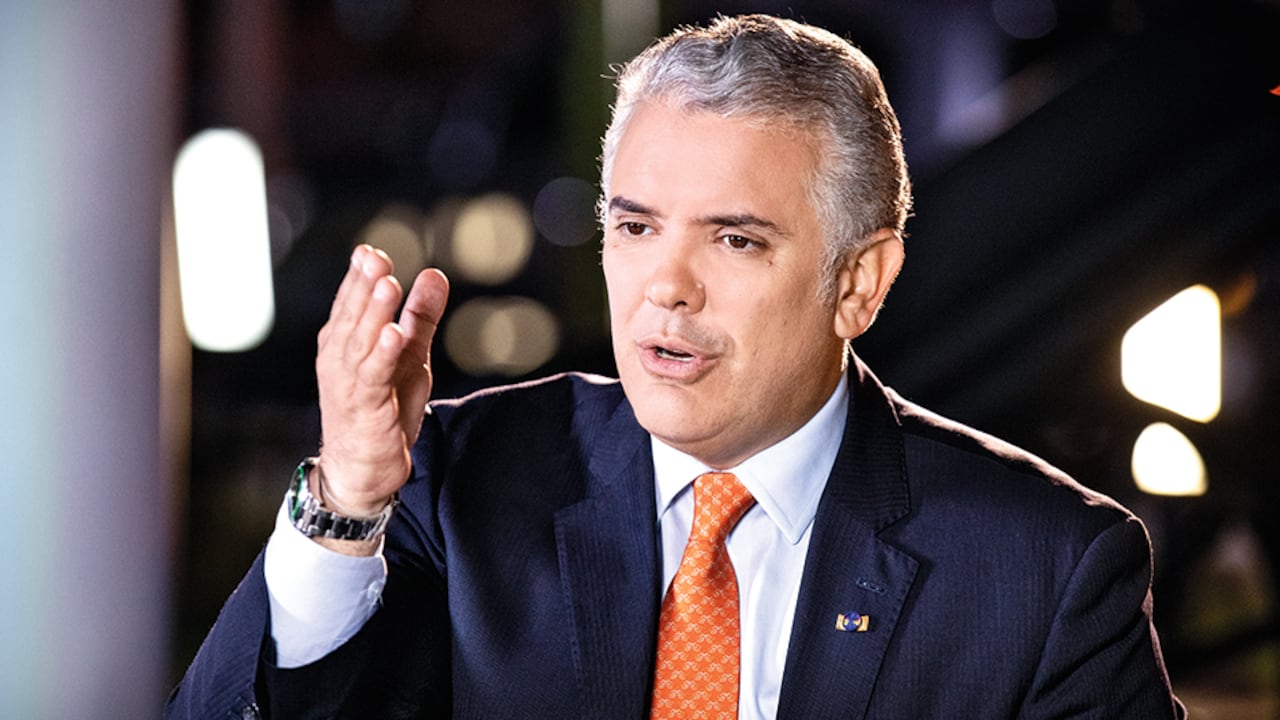
Foreign policy rarely stays tidy. When Israeli Prime Minister Benjamin Netanyahu walked into a high-stakes, closed-door room with U.S. Vice President JD Vance, it wasn't just another diplomatic photo-op. It was a pressure cooker of clashing strategies, bruised egos, and stark disagreements over how to handle Iran.
If you've been following the shifting dynamics between Washington and Jerusalem, you already know the tension hasn't been a secret. Vance previously put Israeli leadership on notice, pulling no punches about his frustration and famously warning that Israel risked alienating its primary superpower backer. Netanyahu didn't just sit back and take it. He requested the face-to-face meeting himself, signaling that he needed to clear the air directly with a rising power center in American politics.
What Triggered the Rift Between Jerusalem and Washington
The friction didn't appear overnight. It boiled over around the handling of the U.S.-Iran ceasefire agreement. While President Donald Trump wanted to wind down a grinding military campaign that rattled global markets, elements within Netanyahu’s coalition wanted to keep pushing forward.
Vance stepped into the fray with blunt words, accusing certain Israeli figures of wanting to drag out the conflict for domestic political survival and reminding critics that the White House was driving the bus. He even declared that Israel was deeply isolated, a comment that hit a nerve in Jerusalem.
Netanyahu fired back in his own way, publicly rejecting the narrative that his country stands completely alone. He pointed outward, reminding everyone that Israel maintains robust ties with global heavyweights like India and its population of over one billion people. It was a subtle yet sharp reminder that Jerusalem has options outside of Washington's immediate umbrella.
Inside the Room Where It Happened
The recent private sit-down in Washington lasted nearly an hour and a half. Senior officials later described the exchange as candid and honest.
You have to look past the official press releases to understand what really went down. Vance represents a new, more isolationist strain of American conservatism that is deeply skeptical of endless foreign entanglements. Netanyahu, on the other hand, operates from a survivalist mindset rooted in immediate existential threats. When those two worldviews collide behind closed doors, sparks fly.
Yet, both sides walked out emphasizing pragmatism. Netanyahu called his meetings in Washington productive, trying to smooth over public rough patches. But make no mistake: the underlying debate about who dictates regional security strategy remains unresolved.
What This Means Moving Forward
The reality is that political alliances are messy. Leaders can hug for the cameras in Washington one day and clash over intelligence sharing or military timelines the next.
If you are trying to read the tea leaves for the Middle East, stop looking for total harmony. Expect more friction as Washington prioritizes domestic economic stability and winding down foreign conflicts, while Israeli leadership focuses strictly on dismantling perceived threats from Tehran on its own terms.
Keep an eye on how these back-channel disagreements shape upcoming regional talks. The partnership survives, but the power dynamic has shifted permanently.
Why Benjamin Netanyahu Shut Down JD Vance Over International Support
This video provides an in-depth look at how Benjamin Netanyahu publicly countered JD Vance's assertions about international alliances by highlighting support from global partners like India.