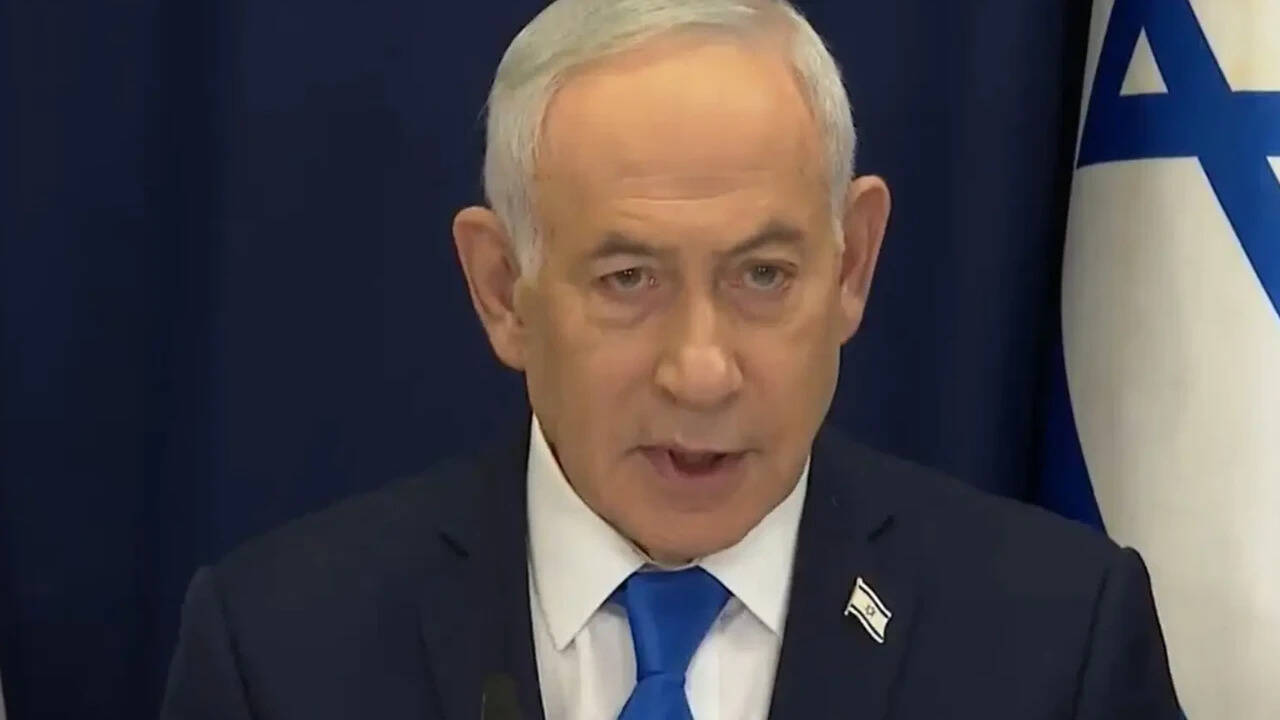
International law feels distant until real power clashes with global courts. Benjamin Netanyahu called it a con job. He wasn't subtle about his reaction. The dramatic dismissal of the International Criminal Court prosecutor's push for arrest warrants sent shockwaves through diplomatic circles. You're probably wondering what actually happened behind closed doors. Let's break down the chaos.
The Battle Lines at The Hague
The International Criminal Court operates under high-stakes pressure. Karim Khan, the chief prosecutor, threw global politics into a spin when he targeted top Israeli leadership alongside Hamas figures. Netanyahu didn't blink. He launched a fierce public relations and legal offensive. He labeled the entire procedure a total scam designed to delegitimize Israel's right to defend itself.
Global leaders split instantly. Western allies voiced caution while regional powers condemned the court's overreach. It's messy. Legal experts spent months arguing over jurisdictional boundaries. Can a non-member state like Israel be bound by court rulings involving territories it occupies? That single question paralyzed legal committees.
Then the momentum shifted. Procedural hurdles piled up fast. Internal challenges to the prosecutor's office created unexpected delays. Critics pointed out massive flaws in how evidence was gathered under active fire. Netanyahu seized every single opening. When the prosecutor's initial momentum stalled, the Israeli prime minister claimed total vindication.
Behind the Legal Smoke Screen
Let's look past the political theater. Realpolitik always wins at this level. International courts lack armies. They rely entirely on voluntary cooperation from sovereign states. If major powers refuse to enforce warrants, the paper trail becomes meaningless.
Think about how this plays out domestically. Netanyahu used the threat of international arrest warrants to rally political support at home. Siege mentality works wonders for poll numbers. Even his fiercest critics inside Israel suddenly found themselves defending the state's judicial independence against outside interference.
- The court demanded immediate compliance.
- The Israeli government questioned the tribunal's legitimacy.
- Diplomats worked overtime behind the scenes to avoid a total breakdown in international cooperation.
This isn't just about one politician or one conflict. It highlights a massive structural flaw in modern global governance. How do you hold powerful nations accountable when the system relies on their consent? You basically can't.
What This Means for Global Justice
The fallout extends way beyond the Middle East. Authoritarian regimes are watching closely. If top-tier democracies can successfully push back against international arrest warrants, smaller nations will take notes. The authority of global institutions takes a direct hit every time a high-profile case collapses under political pressure.
You need to pay attention to how international bodies adapt. They're facing a crisis of confidence. Funding is vulnerable. Diplomatic backing is fractured. Khan's struggles at the court prove that high-minded legal theories crash hard against raw geopolitical power.
Watch the diplomatic wire over the coming months. Other nations will test these new legal boundaries. The precedent is set. Power still dictates terms on the global stage, no matter how many courtrooms exist in The Hague.