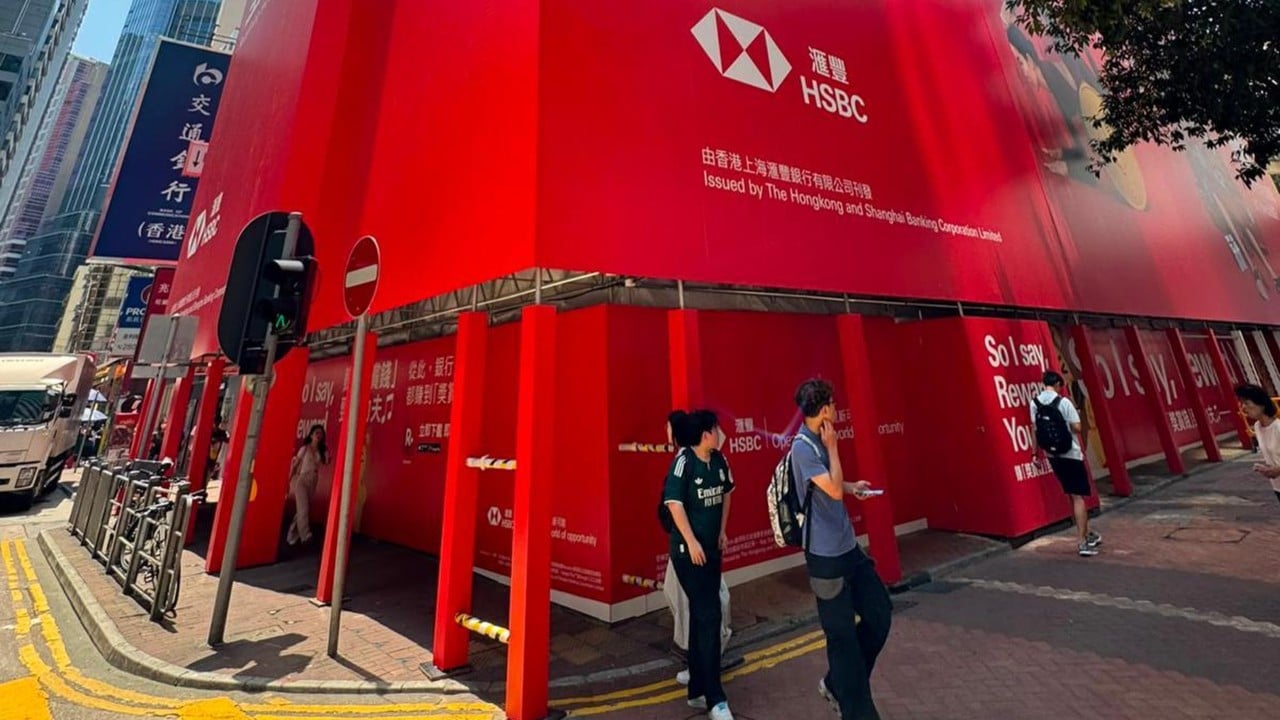
Hong Kong's commercial real estate market is undergoing a bizarre structural flip. For years, you couldn't walk down prime strips like Causeway Bay without tripping over ultra-luxury flagships paying astronomical rents. Today, financial institutions and high-visibility fashion brands are staking claims on massive, eye-catching spaces because rental corrections have finally made marquee addresses affordable.
If you watch how corporate tenants operate in 2026, a clear trend emerges. Major banks aren't hiding behind glass corporate towers anymore. They want street-level retail gravity. HSBC's move to set up massive flagship footprints in spaces previously occupied by high-end fashion giants like Chanel or Victoria's Secret proves that physical proximity to foot traffic matters more than ever.
The Real Driver Behind the Retail Shift
Landlords aren't slashing prices out of charity. Consumer habits shifted, tourism spending patterns evolved, and landlords faced painful vacancies. When high street rents peaked years ago, smaller players got priced out entirely. Now, a combination of lease expirations and a recalibration of physical branch utility has opened doors for institutions with deep pockets.
Banks realized that sitting inside a dull office building misses out on millions of everyday consumers. By planting high-concept retail branches in core shopping corridors, they capture foot traffic organically. It functions as customer acquisition disguised as a storefront.
Why Traditional Luxury Is Making Space
High-end fashion used to dictate every square inch of prime Hong Kong pavement. But softer margins and changing consumer demographics mean luxury brands can no longer justify bleeding cash on redundant flagships. They want leaner operations.
Into that vacuum step mass-market retailers and financial giants. They scoop up multi-story footprints because the cost-per-square-foot finally makes financial sense. You get prime brand exposure without paying 2014 peak-bubble rates.
What This Means for Commercial Real Estate Strategy
If you're looking at retail leasing in densely populated Asian urban centers, the playbook changed. Landlords prefer reliable, long-term institutional tenants like major banks over volatile luxury labels whose sales fluctuate wildly with macroeconomic sentiment.
Expect more financial service providers to take over spaces traditionally reserved for retail merchandise. Banks have the capital to secure long leases and the incentive to design spaces that double as experiential marketing hubs. The high street is changing its identity, and retail property will never look the same again.


