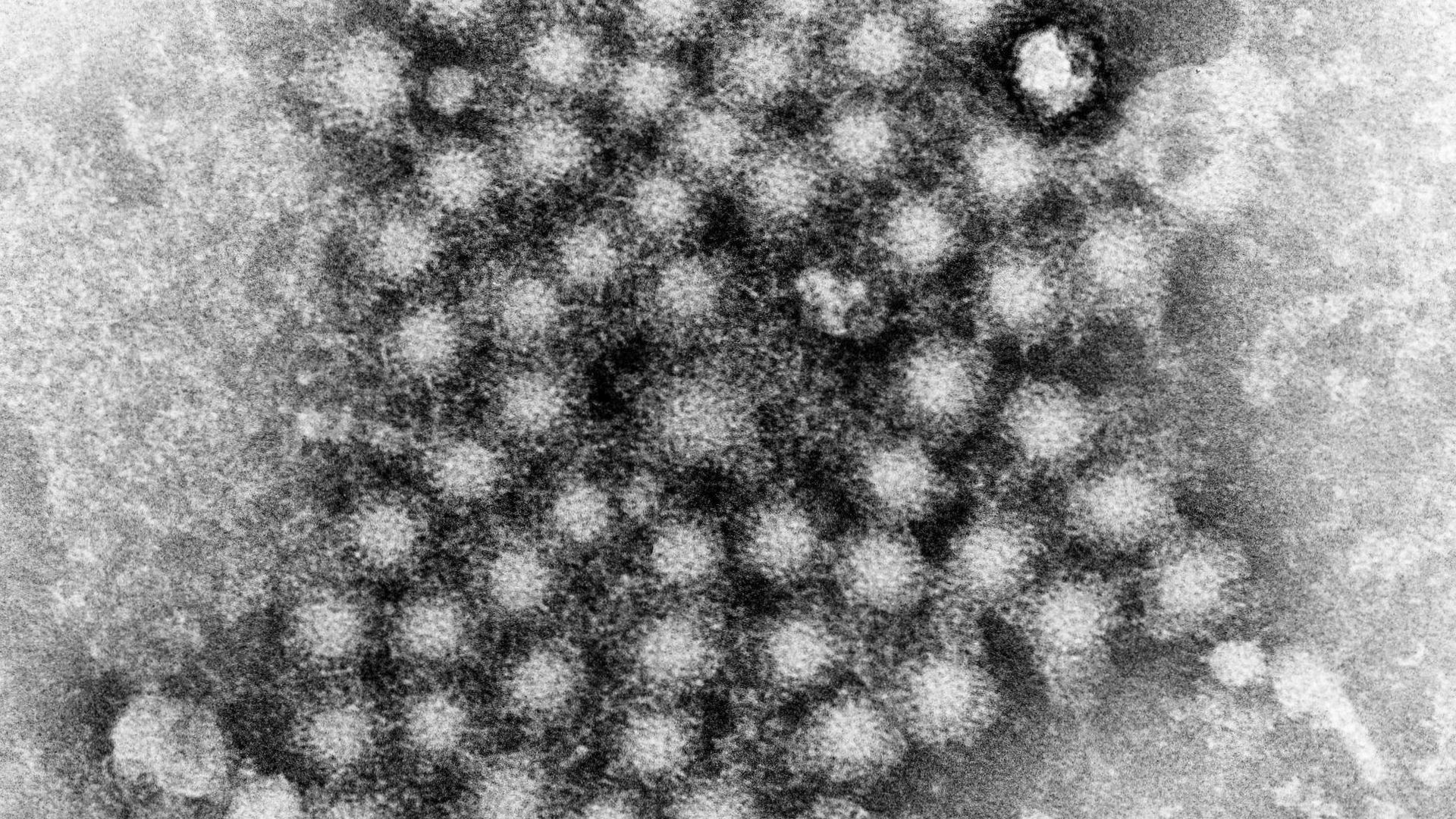
The current surge in Hepatitis A cases is not a random medical occurrence but a failure of baseline sanitary hygiene protocols within high-density environments. When public health officials issue warnings to parents regarding handwashing, they are attempting to disrupt a specific transmission vector known as the fecal-oral route. In the context of school-aged populations, this vector is exacerbated by high touch-point frequency and low compliance with aseptic techniques. Understanding the biological persistence of the Hepatitis A virus (HAV) and the specific physical barriers required to neutralize it is the only viable method for individual and community-level containment.
The HAV Pathogen Profile and Environmental Resilience
Hepatitis A is caused by a non-enveloped RNA virus. The lack of a lipid envelope is a critical structural detail; it renders the virus significantly more resistant to environmental degradation than enveloped viruses like SARS-CoV-2 or influenza. This structural integrity allows HAV to survive on dry surfaces for several weeks and remain infectious in water sources for months.
The infectious dose is remarkably low—as few as 10 to 100 viral particles can initiate a clinical infection. In contrast, an infected individual during the peak shedding period (usually the two weeks preceding the onset of jaundice) can excrete upwards of $10^{6}$ to $10^{9}$ infectious units per gram of stool. This massive disparity between the shed volume and the required infectious dose creates a high-probability transmission environment in shared spaces.
The Incubation Bottleneck
A primary complication in managing an outbreak is the prolonged incubation period, which typically ranges from 15 to 50 days. During this window, the host is asymptomatic but highly contagious. This creates a "shadow spread" where the virus permeates a social or educational network long before the first diagnostic signal (icterus or elevated liver enzymes) appears. By the time a school identifies a cluster, the primary and secondary transmission waves are likely already complete.
The Three Pillars of Tactical Sanitation
Effective containment relies on three distinct operational layers: Mechanical Removal, Chemical Inactivation, and Behavioral Compliance. Relying on any single pillar without the others leads to system failure.
1. Mechanical Removal: The Physics of Friction
Handwashing is often mischaracterized as a chemical process. In reality, the primary function of soap in HAV prevention is to act as a surfactant. HAV particles adhere to the skin through weak molecular bonds and skin oils. Soap reduces the surface tension of water, allowing it to lift these particles, while the mechanical action of rubbing the hands together physically dislodges the virus.
- Dwell Time: Effective removal requires a minimum of 20 seconds of active friction.
- The Fingernail Variable: The subungual region (the space under the fingernails) serves as a reservoir for fecal matter and viral particles. Standard palm-to-palm washing fails to address this area, which is a primary reason why "child-led" washing often fails despite adult supervision.
- The Drying Phase: Damp hands transfer bacteria and viruses 1,000 times more effectively than dry hands. Friction from paper towels provides a secondary mechanical removal step that air dryers do not offer.
2. Chemical Inactivation: Limitations of Alcohol-Based Sanitizers
A common strategic error in outbreak management is the over-reliance on alcohol-based hand sanitizers (ABHS). While ABHS is highly effective against enveloped viruses, its efficacy against non-enveloped viruses like HAV is significantly lower. Alcohol does not reliably penetrate the protein capsid of the Hepatitis A virus.
For surface disinfection, the standard concentration of quaternary ammonium compounds found in many household wipes is often insufficient. Only high-level disinfectants, such as sodium hypochlorite (bleach) solutions at a concentration of 5,000 ppm, are proven to reliably inactivate HAV on non-porous surfaces.
3. Behavioral Compliance: The Supervision Gap
Telling a child to wash their hands is a directive; ensuring they have executed an aseptic protocol is a supervisory task. In an outbreak scenario, the role of the parent shifts from a passive observer to an active auditor. The "check" mentioned by health authorities must be a verification of the following variables:
- Total duration of friction.
- Coverage of the thumb, wrist, and interdigital spaces.
- Complete drying of the skin surface.
Quantifying the Economic and Physiological Cost of Infection
While Hepatitis A does not typically cause chronic liver disease, the acute physiological impact and the resulting economic friction are substantial.
The Liver as a Metabolic Hub
The virus targets hepatocytes (liver cells), leading to inflammation and impaired function. This manifests as:
- Hyperbilirubinemia: The inability of the liver to process bilirubin, leading to jaundice and dark urine.
- Metabolic Fatigue: As the liver struggles to regulate glucose and detoxify the blood, the host experiences profound lethargy.
- Gastrointestinal Distress: Nausea and anorexia lead to rapid dehydration, which is the primary cause of hospitalization in pediatric cases.
The Household Disruption Matrix
An infection in a child triggers a cascade of labor loss. Due to the high contagiousness, the infected individual must be isolated. If a parent is not immune (either through prior infection or vaccination), they face a high probability of contracting the virus while providing care. This can lead to a 3-to-6 week period of household-wide illness, resulting in significant loss of income and exhaustion of healthcare resources.
Post-Exposure Prophylaxis (PEP) and the Window of Intervention
The detection of an outbreak opens a narrow window for Post-Exposure Prophylaxis. PEP is effective only if administered within 14 days of exposure. This intervention takes two forms:
- Hepatitis A Vaccine: For healthy individuals aged 1 to 40, a single dose of the vaccine can induce an immune response rapid enough to prevent the onset of symptoms or significantly reduce their severity.
- Immune Globulin (IG): For infants under 12 months, adults over 40, or the immunocompromised, IG provides immediate, passive immunity by delivering pre-formed antibodies directly into the bloodstream.
The difficulty lies in identifying the exposure date. Given the 15-to-50 day incubation period, many individuals only seek PEP after the 14-day window has closed, rendering the intervention useless. Therefore, in a known outbreak zone, the strategy must shift from "wait and see" to immediate vaccination for all non-immune contacts regardless of perceived exposure levels.
Systemic Vulnerabilities in Public Infrastructure
Outbreaks of this nature often highlight failures in communal infrastructure. High-density environments like daycare centers and primary schools frequently suffer from:
- Inadequate Sink-to-User Ratios: If a classroom has 30 children and one sink, the time required for every child to wash for 20 seconds exceeds the allotted transition times between activities.
- Poor Industrial Design: Faucets that require manual turning to shut off lead to re-contamination of the hands immediately after washing.
- The "Presenteeism" Trap: Parental pressure to remain at work leads to children being sent to school while symptomatic with "mild" stomach issues, which are actually the prodromal phase of HAV.
Operational Recommendations for Immediate Containment
To arrest the spread of a Hepatitis A outbreak, the following logistical adjustments must be implemented immediately within affected households and institutions.
Active Surveillance and Exclusion
Any individual exhibiting sudden onset of fever, malaise, or abdominal pain must be excluded from communal settings immediately. Waiting for jaundice is a failure of detection; jaundice is a late-stage symptom. Fever and gastric upset must be treated as HAV-positive until proven otherwise during a localized outbreak.
Transition to High-Level Disinfectants
Replace standard cleaning agents with bleach-based solutions for all high-touch surfaces, including doorknobs, light switches, and shared electronics. This must be done at least twice daily to account for the rapid re-accumulation of viral load in shared spaces.
Mandatory Observed Hygiene
Institutions should move to a model of "observed hygiene" where a trained adult validates the handwashing process for every child before meals and after restroom use. This removes the variable of child non-compliance and ensures that the mechanical removal of the virus is actually occurring.
Verification of Immune Status
Parents must verify the vaccination records of all household members. The Hepatitis A vaccine is a two-dose series. While the first dose provides significant protection, the second dose—administered six months later—is required for long-term (20+ years) immunity. If the series was never started or completed, immediate vaccination is the only permanent solution to prevent future reinfection cycles.
The containment of Hepatitis A is not a matter of "better" handwashing in a general sense, but the rigorous application of fluid dynamics and chemical barriers to break a specific biological chain. Failure to treat the process with this level of technical scrutiny ensures that the virus will continue to find viable hosts within the population. Focus on friction, ignore alcohol-based alternatives for this specific pathogen, and prioritize the 14-day PEP window for all potential contacts.