The Black Sea has quietly turned into one of the most hostile shipping lanes on the planet. When a commercial cargo vessel goes down following a suspected drone strike—leaving crew members missing and rescue teams scrambling—it is no longer just a localized conflict issue. It is a full-blown maritime crisis threatening international trade.
If you've been following the escalation in Eastern Europe, you know that the theater of war has expanded far beyond trenches and airfields. It's happening right out on the open water, involving civilian sailors who just wanted to haul grain. Let's break down how drone warfare crossed into commercial shipping lanes, what it means for global supply chains, and why maritime authorities are struggling to adapt.
The Escalation in Western Waters
For a long time, maritime risk in the region was concentrated near Ukrainian ports. But recent incidents have shifted dramatically into the exclusive economic zones of NATO member states like Bulgaria and Romania.
When vessels like the Alfa Watan or the Betul 8 are targeted or sunk by unidentified naval and aerial drones, the safety baseline for commercial shipping vanishes entirely. We are talking about attacks happening mere miles off European Union coasts.
The mechanics of these strikes are terrifyingly efficient. Unmanned surface vessels packed with explosives or low-flying aerial drones can track civilian cargo ships with minimal radar warning. Crew members often have minutes—sometimes seconds—to react before structural integrity fails.
Why Grain and Bulk Carriers Are Targets
The Black Sea is a literal breadbasket for the world. Millions of tons of wheat, corn, and other agricultural products flow through these waters to feed populations across North Africa, the Middle East, and parts of Europe.
Targeting bulk carriers isn't just about disrupting a local economy; it's a strategic weaponization of food supplies. When insurance underwriters see ships catching fire or sinking from drone strikes, cargo insurance premiums skyrocket overnight.
Some shipowners are refusing to sail unless they receive exorbitant hazard pay or explicit security guarantees. Those guarantees are practically non-existent right now. Major naval powers are hesitant to commit direct escort fleets due to the severe risk of escalation with Russia.
The Grim Reality for Seafarers
Behind the geopolitics and economic data are real people. Working on a commercial cargo vessel is already grueling work involving long contracts, rough seas, and mechanical hazards. Adding asymmetric drone warfare to the mix turns every shift into a high-stakes gamble.
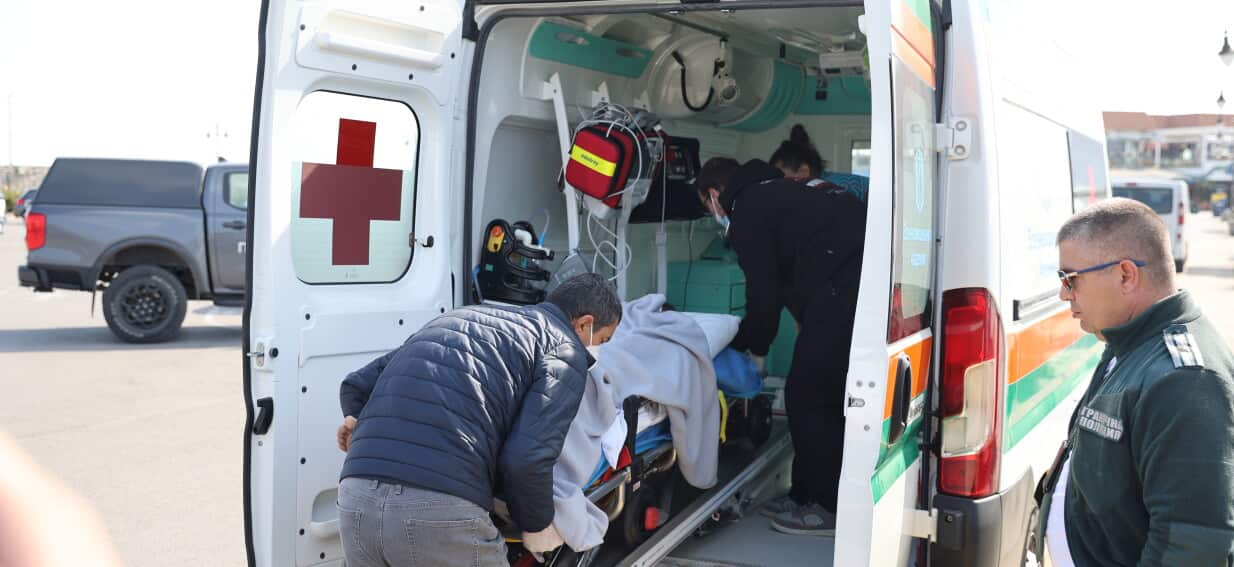
When a ship sinks in deep waters, search and rescue operations are profoundly difficult. If crew members aren't pulled from the water immediately, the combination of cold Black Sea temperatures and vast search radiuses makes finding survivors a race against time. The psychological toll on surviving sailors—many of whom are rescued by helicopter or passing ferries with nothing but the clothes on their backs—is immense.
Ports in Varna and Constanța are seeing an influx of traumatized mariners. Governments are scrambling to provide medical care and repatriation, but the systemic question remains: Who protects civilian ships in a warzone?
Insurance Markets and Global Fallout
You might wonder how this affects you if you aren't a sailor or a grain exporter. Simple answer: supply chain economics.
When shipping lanes become high-risk zones, maritime logistics companies pass those costs down the line. War risk insurance surcharges for the Black Sea have multiplied several times over. If shipowners can't get coverage, they simply stop booking trips through the region.
This creates a bottleneck for global food security. Alternative rail and road routes out of Eastern Europe are slower and significantly more expensive than maritime transport. The ripple effects hit food prices globally, proving that a drone strike miles away from major Western capitals can directly impact grocery bills worldwide.
What Needs to Happen Next
Governments in the region, particularly Bulgaria and Romania, have called on NATO for enhanced air defense systems, counter-drone technology, and active maritime patrols. Without a coordinated shield over the western Black Sea, commercial shipping will remain an easy target.
Technology is moving fast, but defensive countermeasures for civilian vessels are lagging behind. Cargo ships aren't built to withstand military-grade munitions or kamikaze drones. Until effective electronic jamming or active defense mechanisms are deployed along critical trade corridors, the Black Sea will stay a graveyard for merchant marine logistics.
Keep an eye on upcoming international maritime organization summits. If a framework for safe transit corridors isn't enforced soon, we are going to see a permanent shift in how global trade moves across Eastern Europe.



