The room is perfectly silent except for a faint, rhythmic clicking.
It is 11:45 PM. Sarah and Mark are lying side by side in a bed that feels much wider than it did five years ago. They are not talking. They are not looking at each other. Between them lies a vast, invisible chasm, illuminated only by two twin rectangles of pale blue light.
Sarah scrolls through a video of someone else’s toddler painting a wall. Mark swipes through a feed of political outrage. Their thumbs move with mechanical precision. This is their intimacy now. It is a shared solitude, a quiet pact to be alone together in the dark.
Down the hallway, the third bedroom of their apartment sits entirely empty. There is no crib. There are no building blocks scattered on the rug. There is only a desk, an exercise bike that doubles as a clothes rack, and a profound, echoing stillness.
A decade ago, demographers and sociologists would have looked at this empty room and blamed the usual economic suspects. High rent. Stagnant wages. The crushing weight of student debt. Childcare costs that rival a second mortgage. These factors are real, and they are heavy. But recently, a new variable has entered the equation, one that breathes right next to us on the nightstand.
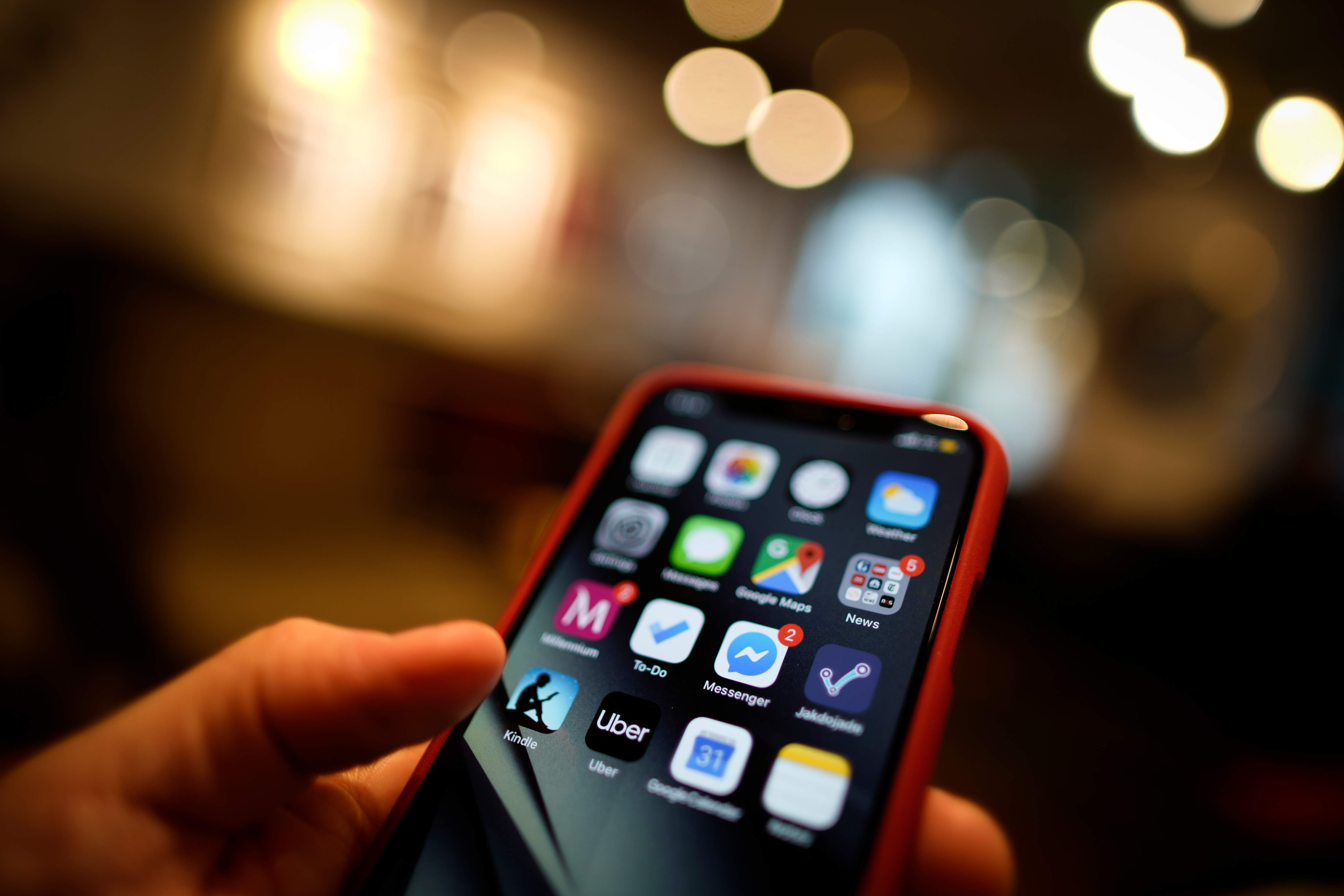
Researchers are beginning to point toward the glass rectangle in your hand as a quiet engine of global depopulation.
It sounds absurd at first glance. How does a sleek piece of consumer electronics, designed to connect us to the entire world, halt the creation of life itself? The answer is not found in a single, dramatic shift. It is found in the micro-moments. It is hidden in the millions of times a day we choose a notification over a human glance.
The Death of Frictionless Boredom
Think back to the world before the smartphone became an appendage.
Boredom used to be an active state of existence. It was uncomfortable. When two people sat in a room with nothing to do, the silence eventually forced interaction. Boredom bred conversation. Conversation bred eye contact. Eye contact bred physical closeness, and physical closeness, inevitably, led to the continuation of the human species.
The smartphone permanently cured boredom.
By removing the discomfort of empty time, we also removed the primary catalyst for spontaneous human connection. Now, the moment a lull occurs in a relationship, we reach for the pocket-sized dopamine machine.
Consider a hypothetical couple, Elena and David, sitting at a restaurant table. Fifty years ago, if their conversation paused, they would look at each other. They might notice a change in expression, a hint of fatigue, or a flash of playfulness. Today, the moment David steps away to the restroom, Elena’s phone is out. When David returns, his phone is out too. They have successfully bypassed the awkward, fertile silence where deep emotional intimacy is built.
Demographic data shows a striking correlation. The global birth rate began a steep, unprecedented decline right around 2010. This was not a localized phenomenon. It happened in the United States, across Europe, and heavily throughout East Asia. What else happened around 2010? The smartphone achieved mass market penetration. The mobile internet became fast enough to stream video seamlessly.
Correlation is not causation, of course. But behavioral scientists argue that the timeline is too clean to ignore. We replaced the biological drive to connect with a digital simulation of fulfillment.
The Dopamine Deficit in the Bedroom
Human desire is built on a delicate chemical balance. Our brains are wired to seek rewards, and for millennia, the highest rewards were social and physical. A shared laugh, a touch, the warmth of another body.
The modern smartphone operates like a slot machine in your palm. Every like, every share, every viral video releases a tiny burst of dopamine. It is cheap. It is effortless. It requires absolutely no emotional vulnerability.
When you spend four hours a day consuming hyper-curated, algorithmic content, your brain's reward centers become exhausted. By the time the lights go out, the effort required to engage with a real, flawed human being feels exhausting. A partner requires negotiation, emotional energy, and the risk of rejection. The phone asks for nothing but your attention, and in return, it gives you a predictable, endless stream of novelty.
The numbers paint a stark picture. Public health surveys indicate that young adults are having significantly less sex than previous generations. It is not just that they are not having children; they are simply not engaging in the activity that creates them.
When researchers interview twenty-somethings about this shift, the answers are telling. They are not experiencing a sudden wave of asceticism. They are just tired. They are overstimulated. They are lonely, yet they are constantly connected. They are drowning in virtual intimacy while their real-world relationships starve.
The Price of Perfect Information
There is another, more insidious way the digital age suppresses the urge to reproduce. Call it the curse of total awareness.
Raising a child has always been an act of radical optimism. It requires a certain amount of blind faith in the future. In the past, our worldview was largely shaped by our immediate surroundings. We knew the gossip of our neighborhood, the news of our town, and perhaps the major headlines of our nation.
Today, the smartphone delivers the collective trauma of eight billion people directly to our eyeballs, 24 hours a day.
We scroll through updates on climate collapse while eating breakfast. We watch live feeds of geopolitical conflict during our commute. By lunchtime, we have consumed more tragedy, anxiety, and existential dread than our ancestors encountered in an entire lifetime.
This constant exposure alters our psychology. It creates a subconscious state of siege. When the brain perceives that the world is an unsafe, chaotic place, its biological priority shifts from reproduction to survival.
"How could I bring a child into this world?"
It is a question echoed in thousands of internet forums and private conversations. It is a valid question, born of genuine empathy and fear. But it is also a question amplified by an algorithm designed to feed us outrage and terror because terror keeps us scrolling. The phone does not just distract us from making families; it actively convinces us that doing so is an act of irresponsibility.
The Algorithmic Competitor
To understand the scope of the problem, we have to look at what the smartphone actually is: it is the most sophisticated competitor for human affection ever invented.
Every app on your screen is backed by thousands of the world’s smartest engineers, data scientists, and psychologists. Their sole objective is to keep your eyes fixed on the glass. They study your habits, your fears, your vulnerabilities, and your desires. They know exactly what video will make you stay awake for ten more minutes, and then ten minutes more.
Your partner, sitting next to you on the couch, does not have an engineering team. They cannot update their interface to be more engaging. They cannot personalize their conversation based on a complex algorithm. They are just a person. They have bad days. They repeat stories. They get annoyed.
In a fair fight, human connection wins because it offers something real. But this is not a fair fight. We are pitting flawed, predictable human beings against a hyper-optimized, trillion-dollar addiction machine.
When we choose the machine over the person, the consequences compound over years. Dating apps have turned the search for a partner into a gamified retail experience, leading to choice paralysis and a disposable view of relationships. Marriage rates are dropping. Relationship satisfaction is declining. The foundation upon which families are built is quietly fracturing under the weight of a billion swipes.
The blue light in Sarah and Mark’s room finally goes out.
Mark plugs his device into the charger on his side of the bed. Sarah places hers face-down on the nightstand. The room enters total darkness, but the silence that follows is not peaceful. It is heavy with the weight of things unsaid, touches unoffered, and a future that is slowly, quietly evaporating into the cloud.