Dolly Parton is worth an estimated $650 million, an extraordinary fortune built largely through shrewd asset ownership, fierce independence, and a calculated refusal to chase billionaire status on Wall Street terms. While contemporary celebrity culture measures success by quick equity liquidity events, tech-bro style venture capital, or selling out music catalogs to private equity firms, Parton took a radically different route. She built an empire out of physical infrastructure, uncompromising copyright control, and deep regional economic roots in East Tennessee.
To understand how a girl from a one-room cabin constructed an economic powerhouse without sacrificing her artistic soul, you have to look past the rhinestones and examine the corporate ledger. Her wealth is not an accident of nature or a byproduct of generic streaming royalties. It is the result of a masterclass in business longevity that modern startup founders would do well to study.
The Copyright Defense That Saved an Empire
The cornerstone of Parton's financial independence was laid in 1966 when she and her uncle, Bill Owens, founded their own publishing company. At age twenty, long before most artists understand the difference between a master recording and a publishing split, Parton grasped a fundamental truth of the creative economy. If you do not own your intellectual property, you are merely renting your career to someone else.
The most famous test of this philosophy came in 1974 when Elvis Presley wanted to record "I Will Always Love You." Colonel Tom Parker, Presley's notoriously aggressive manager, demanded half of the publishing rights as a condition for the cover. For a rising country artist, having the King of Rock and Roll record your song was the ultimate career accelerator. Most would have folded instantly.
Parton said no.
It looked like professional suicide at the time. She walked away from the most lucrative exposure imaginable to protect a piece of paper. Two decades later, Whitney Houston recorded her powerhouse version of the track for The Bodyguard. Because Parton had held the copyright for twenty years, millions of dollars in mechanical and performance royalties poured directly into her accounts for a vocal performance she did not sing and a master recording she did not finance. Today, her catalog of over three thousand songs generates millions annually, proving that patience outvalues short-term promotion every single time.
Physical Assets Over Digital Illusions
In an era where modern media moguls pin their net worth to volatile tech valuations and shifting social media algorithms, Parton anchored her fortune in tangible dirt and mortar. In 1986, she partnered with the Herschend family to acquire a struggling local tourist attraction in Pigeon Forge, Tennessee, transforming it into Dollywood.
Skeptics thought a theme park in the Smoky Mountains was a bizarre distraction for a platinum-selling artist. They missed the underlying strategy. A theme park is an economic ecosystem. It employs thousands of locals, generates predictable cash flow immune to radio format changes, and creates a physical home for merchandising and live entertainment.
Her stake in the Dollywood Company—which now spans the main theme park, Splash Country, and the DreamMore Resort—is worth well over $150 million. Unlike digital assets that can vanish during a regulatory crackdown or a platform shift, three million visitors buying tickets, food, and lodging every year provide a bedrock of financial security that record sales alone could never guarantee.
Weaponizing Self-Deprecation for Corporate Control
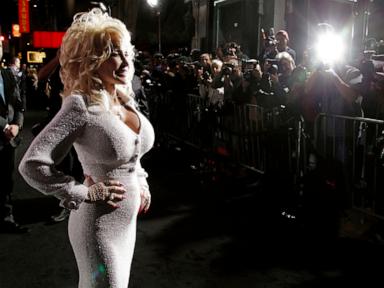
One of the most brilliant psychological maneuvers in media history is the way Parton utilized her visual presentation as a corporate shield. Publicly, she leaned hard into the caricature of the dumb blonde, leaning on self-deprecating humor about how much money it takes to look that cheap.
Behind the facade sat a razor-sharp negotiator who understood corporate positioning better than the executives sitting across the boardroom table. While interviewers chuckled at her jokes about wigs and makeup, she quietly retained full control over her master tapes, her likeness, and her corporate partnerships.
By playing the part of the underestimated entertainer, she disarmed corporate suitors who might have otherwise tried to out-maneuver her. She weaponized accessibility. Fans felt they knew her intimately, while industry insiders quickly learned that crossing her legally or financially was a losing battle. The costume was loud, but the business operations were ironclad.
The Cost of Rejecting the Billionaire Club
Despite her vast empire, financial analysts frequently note that Parton sits comfortably below the official billionaire threshold. This is not a failure of business acumen; it is a deliberate design choice.
Parton pours staggering amounts of capital back into her philanthropic initiatives, most notably the Imagination Library, which has shipped hundreds of millions of free books to children across multiple countries. Furthermore, she maintains a strict philosophy against corporate debt and aggressive public market leverage. She prefers high-margin, privately held ventures where she retains absolute veto power.
When you prioritize community impact, creative control, and peace of mind over raw wealth accumulation, your financial ceiling is naturally self-imposed. She did not fail to reach a billion dollars. She simply decided that the price of admission was too high.
The next time an industry titan claims that modern branding requires selling equity, sacrificing catalog rights, or chasing algorithmic trends, look back at the corporate blueprint written in the mountains of Tennessee. True power belongs to those who own the underlying asset, protect their creative boundaries, and never mistake fame for leverage.