Dawn in the southeastern reaches of Sistan and Baluchestan does not break with gentle light; it cuts across the horizon like a blade. Dust hangs heavy in the dry air, blurring the line between the earth and an unforgiving sky. For the men stationed at the remote checkpoints guarding this sprawling, volatile frontier, the morning usually brings little more than the low whistle of desert wind and the hum of distant engines.
Until it doesn't.
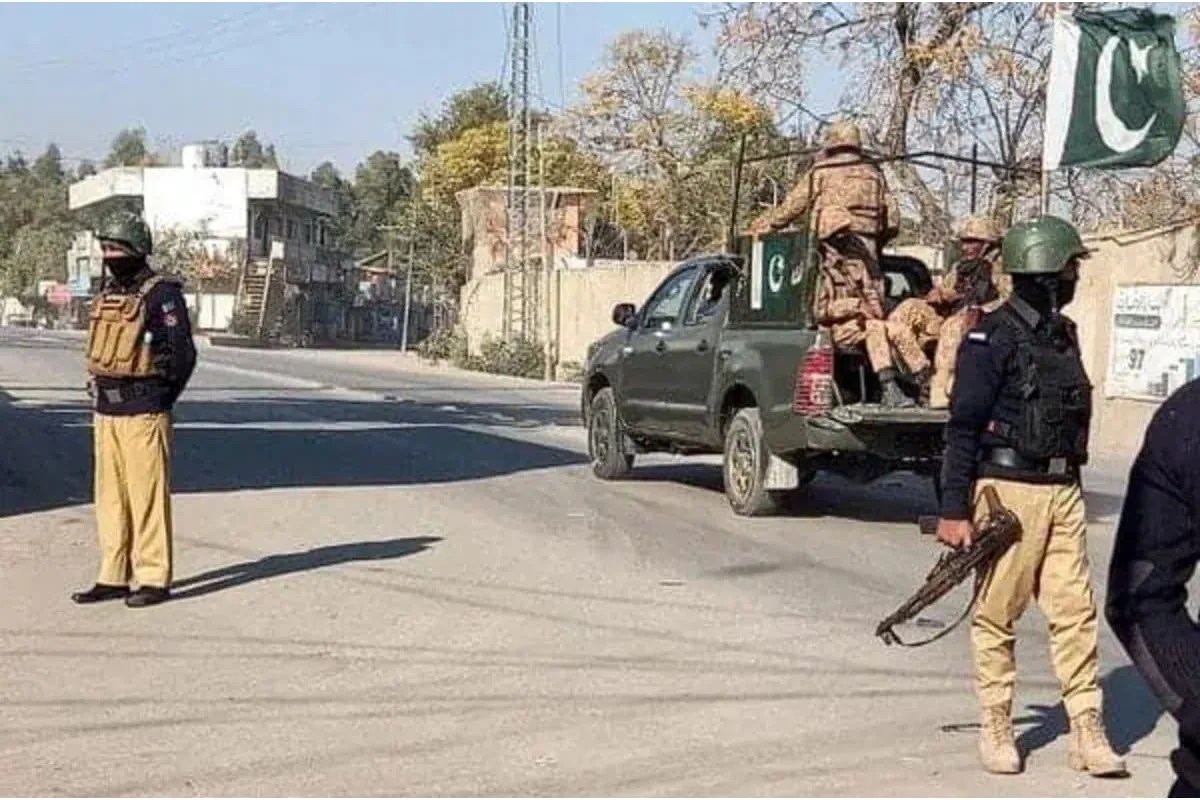
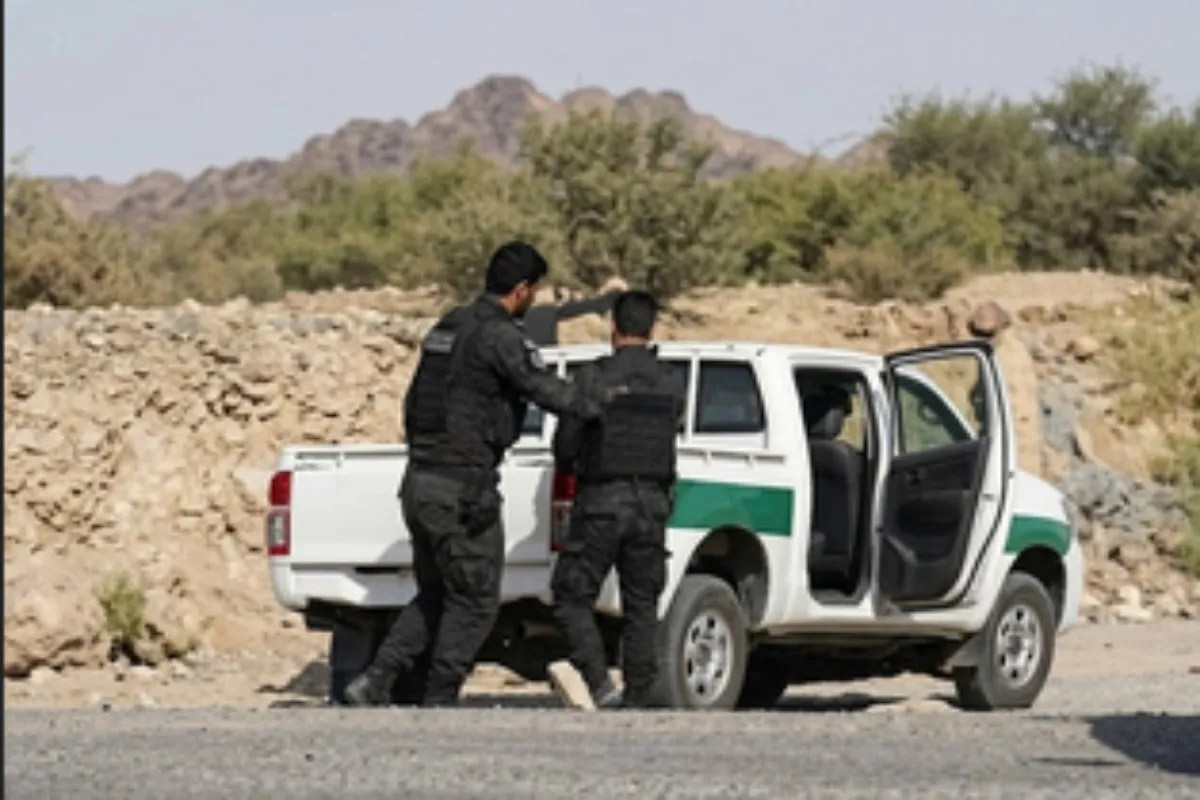
On a quiet Monday that began like any other, the routine was shattered in a matter of seconds. Armed assailants struck a police patrol with sudden, calculated fury. When the smoke cleared and the echoes of gunfire faded into the vast emptiness, two police officers lay dead, and another fought for survival with severe wounds. Official reports would dryly categorize the event as a terrorist attack, cataloging it under a growing ledger of border violence. But statistics fail to capture the profound emptiness left behind in kitchens, barracks, and quiet village homes across the region.
To understand why this frontier remains so perpetually fractured, one must look beyond the immediate flashpoints and examine the geography of isolation. Sistan and Baluchestan is a sprawling expanse, sharing porous borders and complex ethnic dynamics with neighboring nations. It is a terrain where smuggling routes, insurgent movements, and local grievances intertwine into a knot that law enforcement agencies spend decades trying to unravel. For the average officer deployed here, the uniform is not just a symbol of state authority; it is a heavy daily risk, worn in a territory where danger can emerge from behind any sand dune or around any blind mountain curve.
Consider the human reality behind the brief dispatch numbers. Men who left their families with promises of a phone call later that evening, men who shared endless cups of bitter tea under harsh fluorescent lights, suddenly transformed into names read aloud on evening broadcasts. This is the hidden cost of border security in neglected peripheries—a perpetual state of low-intensity attrition where security personnel absorb the brunt of regional instabilities.
The immediate aftermath of such violence follows a familiar, heavy rhythm. Sirens wail through dusty streets, reinforcements sweep the perimeter, and statements are issued from distant capitals condemning the bloodshed. Yet, once the vans depart and the official press releases are filed away, the local communities are left to reckon with the psychological weight of chronic insecurity. Families grieve in private, colleagues return to the exact same vulnerable posts, and the desert resumes its indifferent silence, waiting for the next tremor.
Violence in these borderlands rarely erupts in a vacuum. It is fed by a complex web of cross-border trafficking, localized insurgencies, and economic desperation that makes recruitment easy for extremist cells operating in the shadows. When governments respond solely with increased security deployments without addressing the underlying socio-economic fragility, the region remains trapped in an endless cycle of ambushes and reprisals.
The tragedy in Bampur is not an isolated anomaly; it is a symptom of a deeper, enduring wound on the map. Every time a patrol vehicle is ambushed, a community draws further inward, trust erodes further, and the prospects for lasting peace recede behind another wall of dust.
The sun sets over the southeastern plains just as harshly as it rises, casting long, bruised shadows across the checkpoints. Out in the quiet dark, another shift takes up its post, listening intently to the wind, carrying the weight of an unresolved conflict on their shoulders.