The hospital waiting room smelled faintly of lemon bleach and old linoleum. Outside, the midday sun beat down on a humid Florida parking lot, turning the asphalt into a shimmering mirage. Inside, pregnant mothers sat on plastic chairs, clutching plastic folders filled with ultrasound prints, tax returns, and medical bills.
They had come thousands of miles for a piece of paper. Not just any paper, but a birth certificate stamped with the quiet, transformative magic of United States soil.
Birthright citizenship. Fourteenth Amendment. Jus soli.
These are dry legal terms tossed around cable news studios like dry kindling. But sitting in that waiting room, watching a woman trace the edges of her swollen belly with trembling fingers, those words took on weight. They took on breath.
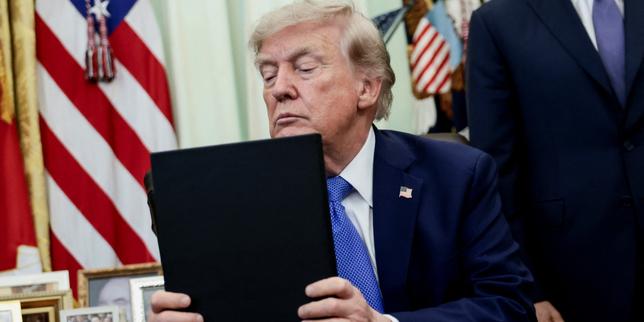
Consider what happens next: a signature on a executive order, a shift in consular guidance, a sudden reinterpretation of a constitutional guarantee etched into law over a century ago.
The Architecture of an Old Promise
To understand why a decree aiming to dismantle birthright citizenship sparks such profound anxiety, we have to look backward.
In 1898, the Supreme Court heard the case of Wong Kim Ark. Born in San Francisco to Chinese citizen parents, Wong was denied re-entry into the United States after a trip abroad under the argument that his allegiance lay elsewhere. The Court disagreed. With deliberate, sweeping language, they ruled that the Fourteenth Amendment meant exactly what it said. All persons born in the United States and subject to the jurisdiction thereof are citizens.
Period.
It was a radical, inclusive design born out of the ashes of the Civil War. It ensured that the children of enslaved people, and later the children of immigrants from every corner of the earth, were not born into inherited foreignness. It said that geography trumps ancestry.
For generations, this principle remained the bedrock of American identity. You are born here, you belong here.
Yet, anxiety has a way of twisting old architectures.
The Myth of the Waiting Room Industry
Critics of the current system point to a phenomenon often sensationalized as birth tourism.
Picture a hypothetical scenario, carefully documented by investigative reports over the years: agencies operating out of sleek high-rises in Southern California or South Florida, catering to expectant mothers from affluent overseas backgrounds. These companies arrange luxury apartments, prenatal care, and hospital packages. The goal? Securing a United States passport for a child who will grow up abroad until they reach adulthood, returning later to sponsor their families or attend elite universities.
It looks transactional. It feels like an exploitation of a loophole.
Numbers are frequently weaponized here. Estimates vary wildly, ranging from a few thousand to tens of thousands of births annually out of millions of total births nationwide. But public perception rarely hinges on precise statistics. It hinges on fairness.
When people see a system perceived as easily gamed by the wealthy while legal immigrants wait decades in bureaucratic purgatory, frustration builds. That frustration is real. It is palpable.
The Collateral Damage
But decrees and executive orders do not possess scalpels. They are broadswords.
When political leaders attempt to curtail birthright citizenship to stop the luxury baby agencies, they inevitably clip the wings of entirely different families.
Imagine a young couple working legally on temporary tech visas in Austin, Texas. They pay taxes, contribute to local community gardens, and sweat through the brutal Texas summers. If an executive order reinterprets the Fourteenth Amendment to exclude children whose parents lack permanent residency, what happens to their newborn son?
He becomes legally untethered. A bureaucratic ghost in the country of his birth.
This is where the human element fractures the neat logic of political slogans. We are talking about babies born into limbo. We are talking about families forced to navigate an unprecedented legal labyrinth, challenging an interpretation that defies a century and a half of established precedent.
The courts, naturally, become the next battleground.
The Inevitable Collision with the Constitution
Can an executive branch rewrite a constitutional amendment with a stroke of a pen?
Constitutional scholars across the ideological spectrum generally agree on one fundamental truth: no. Executive orders cannot override constitutional amendments. Changing the Fourteenth Amendment requires a formal constitutional amendment process—a towering mountain requiring a two-thirds vote in both houses of Congress and ratification by three-fourths of the states.
Or, at the very least, it requires a Supreme Court willing to dramatically overturn established precedent.
So why issue the decree at all?
Politics is theater, but it is also pressure. By challenging the status quo, proponents force the issue into the national spotlight, rallying a base that feels the nation's borders and definitions of identity are slipping away. The decree acts as a lightning rod, drawing energy, fury, and inevitable lawsuits.
Meanwhile, the mothers in the waiting room keep checking their watches.
The Unspoken Fear
Beneath the legal briefs and the fiery debates lies a deeper, quieter emotion. Fear.
Fear of a changing demographic map. Fear of resources stretched thin. Fear that the definition of what it means to be American is diluting into something unrecognizable.
On the flip side, there is the raw, primal fear of exclusion. The terror of carrying a child into a world where their very existence on a piece of land might be deemed illegal by technicality.
We are grappling with the friction between two ideals: a nation of laws that guards its gates, and a nation of birthrights that welcomes the world.
The decree signed in Washington will wind its way through district courts, appellate panels, and eventually the highest court in the land. Legal arguments will be parsed down to semicolons and historical intent.
Outside, the sun sets over the Florida parking lot. The waiting room empties out. A janitor mops the linoleum, erasing the scuff marks of the day, leaving behind a surface that is slick, clean, and waiting for tomorrow's footsteps.