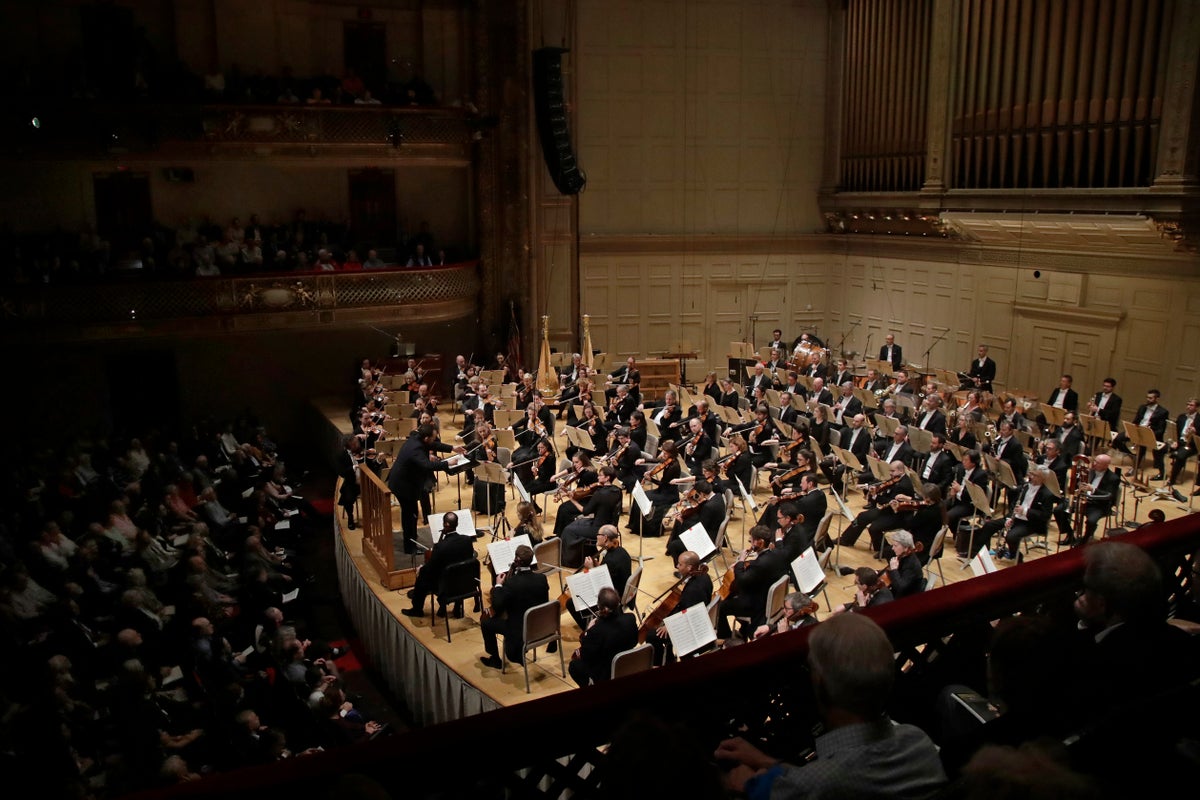
The headlines wept for tradition. When musicians of the Boston Symphony Orchestra voted to authorize their first potential strike in 145 years, the cultural commentariat reached straight for the usual scripts. They framed it as a battle between art and commerce, between heartless bean-counters and starving maestros defending the integrity of Western civilization.
It is a lazy, comfortable narrative. And it is entirely wrong.
This is not a story about greedy management crushing the spirit of Beethoven. Nor is it simply about musicians demanding their fair share of ticket sales. The BSO labor showdown is the loud, painful collision of an industrial-era pricing model hitting a digital-era revenue wall. Both sides are fighting over the scraps of a dying ecosystem, pretending that if they yell loud enough, the math will magically change.
I have watched legacy cultural institutions burn through endowments, donor fatigue, and public goodwill while clinging to a business plan designed in the nineteenth century. Let us tear down the lazy consensus and look at the actual mechanics of why this strike vote matters and why the real problem goes far deeper than a contract negotiation.
The Endowment Myth And The Trap Of Luxury Nonprofits
The core misconception floating through mainstream coverage is that an orchestra with a massive endowment is a bottomless piggy bank. People look at a billion-dollar asset pool and wonder why management hesitates to hand out double-digit raises.
Here is the economic reality that arts reporters refuse to acknowledge. An endowment is not a checking account. It is an investment portfolio with strict donor-imposed restrictions, designed to subsidize operating losses in perpetuity. If an institution treats its endowment like cash-on-hand to cover baseline labor inflation, it is eating its own seed corn.
The baseline economics of a symphony orchestra are fundamentally broken. You cannot scale a product where one hundred live musicians must sit on a stage to perform for two thousand people in a hall that costs millions to heat, cool, and maintain. Ticket sales rarely cover more than forty percent of operating costs. The rest relies on philanthropy, which is drying up as younger generations distribute their giving across digital platforms, venture philanthropy, and direct mutual aid.
When musicians strike for higher pay to keep pace with soaring urban housing costs in Boston, their frustration is entirely justified on a human level. Rent in Boston is astronomical. A professional musician with a master's degree from Juilliard deserves a middle-class life. But management is trapped in a structural deficit where raising ticket prices any higher prices out the audience, while cutting player compensation destroys the artistic quality that justifies the brand in the first place.
They are trapped in a doom loop.
The Industrial Labor Model Meets The Digital Reality
Look closely at how major orchestras structure labor. They operate under collective bargaining agreements built on a manufacturing mindset. Job descriptions are rigid, rehearsal hours are strictly metered, and compensation is tied to tenure rather than audience engagement, streaming reach, or innovation.
Imagine a scenario where a tech startup tried to scale a product by locking its core engineering talent into rigid sixty-year-old operational silos while ignoring the fact that eighty percent of potential consumers now experience the product via compressed audio through AirPods.
Classical music organizations treat digital distribution as an afterthought or a promotional commercial rather than a core revenue engine. Streaming platforms pay fractions of a cent per stream. Orchestras failed to build direct-to-consumer digital membership models early enough, choosing instead to protect legacy subscription boxes that appeal to a demographic that is literally aging out of existence.
When the BSO musicians authorize a strike, they are weaponizing their scarcity value. They are saying: Without us, the hall goes silent. And they are right. But winning a wage battle inside a burning house does not secure your future. It just makes the ash slightly more expensive.
What Nobody Wants To Admit About The Future Of Live Classical Music
The uncomfortable truth is that the traditional symphony orchestra, as currently configured, is an unsustainable luxury artifact. Keeping it alive requires massive artificial life support from wealthy donors, government subsidies, and endowment yields.
When orchestras strike, they force a reckoning that boards and musicians alike try desperately to avoid. The conversation needs to shift away from incremental salary bumps versus budget cuts, and toward a complete reinvention of how acoustic art is funded and consumed.
First, stop pretending that earned revenue from live performance will ever cover labor costs in a high-inflation economy. It won't. Orchestras must transition into hybrid media companies, monetizing their brand globally through high-definition streaming, educational licensing, and sync partnerships.
Second, dismantle the rigid tenure-and-scale model. Forward-thinking ensembles are experimenting with flexible ensembles, community-embedded residencies, and shared revenue models where musicians have a direct stake in the financial health of the organization. If the institution wins, everyone wins. If ticket sales and digital subscriptions tank, the traditional fixed-cost model breaks every time.
The Boston Symphony Orchestra musicians have every right to fight for their livelihoods. But if they win a short-term pay victory without forcing a total overhaul of the underlying economic engine, they will simply accelerate the day the music stops for good.
Stop mourning the tradition. Fix the math.