BP recently posted a surge in quarterly profits that effectively doubles its previous performance, a financial leap fueled by the volatility of the Iran war. For Ed Miliband and the Labour front bench, the optics are gift-wrapped for a populist offensive. Miliband has branded the profiting from such a crisis as "morally wrong," a sentiment that resonates with millions of households currently choosing between heating and eating. However, the narrative of "callous profiteering" ignores a structural reality of the global energy market that a simple levy cannot fix. While the political class demands a "proper" windfall tax, the industry is quietly pivoting away from UK investment, revealing a dangerous disconnect between moral outrage and economic security.
The numbers are staggering. BP’s underlying replacement cost profit hit $3.8 billion in the latest quarter, driven largely by a sophisticated oil trading division that thrives on the very price swings that cripple consumers. It is a machine designed to capture value from chaos. When the global supply chain tightens due to conflict, the price of a barrel rises, and the integrated majors—who control everything from the wellhead to the trading desk—reap the rewards.
The Illusion of the Investment Loophole
A central pillar of the political critique is the "loophole" within the Energy Profits Levy. Under current rules, companies can offset their tax bill by reinvesting in UK-based extraction. Critics argue this is a subsidy for fossil fuels masquerading as an incentive. The logic from the Treasury has always been that domestic production equals energy security. If we don’t drill in the North Sea, we simply import more expensive, higher-carbon gas from abroad.
But the industry is calling the government’s bluff.
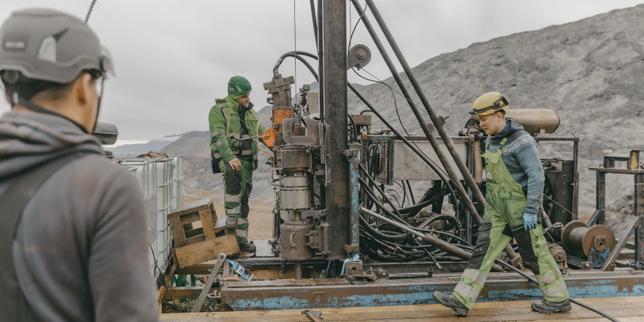
Energy giants operate on twenty-year horizons. They do not move based on a single quarter of high prices; they move based on the stability of the tax regime over decades. The UK has changed its oil and gas tax rules multiple times in the last few years. This "fiscal instability," as the boardrooms call it, is driving capital toward the Gulf of Mexico or Guyana, where the rules don't change every time a politician needs a headline. By hiking the headline tax rate to 78%, the government has made the UK one of the most expensive places in the world to produce energy.
Why the Windfall Tax Fails the Long Game
There is a fundamental misunderstanding of what a windfall actually is. To a politician, it is "unearned" cash. To a geophysicist or a project manager, it is the cyclical recovery required to offset the lean years. In 2020, during the height of the pandemic, BP reported a $22 billion loss. There were no calls for a "windfall subsidy" then. The industry is inherently boom-and-bust, and the "boom" funds the massive capital expenditure required for the next decade of supply.
When Miliband calls these profits "the unearned windfalls of war," he is right on the facts but arguably wrong on the solution. If the goal is to lower bills, a tax that discourages new supply is counter-productive.
- Supply Constriction: If investment in the North Sea drops, domestic supply falls.
- Import Reliance: Lower domestic supply forces the UK to buy from the global market at whatever price the prevailing conflict dictates.
- Price Volatility: Without a buffer of domestic production, the UK consumer is uniquely exposed to the whims of OPEC+ and Middle Eastern instability.
The moral argument is potent, but it lacks a transition plan. We are told these profits should fund the green revolution. Yet, the same companies being taxed are the ones with the balance sheets large enough to build the offshore wind farms and carbon capture hubs the government claims to want. By stripping the "excess" cash, the state is essentially beting that it can spend that money more efficiently on the transition than the private sector can. History suggests otherwise.
The Trading Desk Advantage
What is often overlooked in the fury over "big oil" is that BP is increasingly a trading house that happens to own some pipes. Their recent "beat" on earnings wasn't just about selling expensive oil; it was about betting correctly on where the price would go next.
This part of the business is almost entirely decoupled from the "morality" of the pump price. It is a high-stakes game of global arbitrage. Even if the UK implemented a 100% tax on North Sea extraction, BP’s global trading profits—the real engine of this recent surge—would remain largely untouched because they occur in a digital ether far beyond the reach of the British Treasury.
The government is currently trapped. It needs the tax revenue to plug a hole in the national finances and provide some relief to voters, but it cannot afford to drive the remaining energy industry out of the country. Chancellor Rachel Reeves has pledged to maintain the levy, but the rhetoric is shifting toward a realization that the "energy superpower" status Miliband dreams of requires the very companies he is currently castigating.
We are witnessing a slow-motion collision between political necessity and industrial reality. The public wants lower bills and "fairness." The industry wants stability and returns. The two are currently incompatible. As long as the UK remains dependent on a global market for its baseline energy needs, it will remain a hostage to these cycles. No amount of windfall taxing will change the fact that the world is still run on molecules, and those molecules are getting harder and more expensive to find.
The real crisis isn't that BP is making money; it’s that the UK has no viable plan to stop needing them to. Until that changes, the outrage is merely performance. The abrupt truth is that the "moral" path of taxing the majors to the brink may lead to a very cold, very expensive future. We are trading long-term resilience for a short-term political win. The bills will still come due.