Low Earth orbit is getting crowded. If you look up at night, you aren't just seeing stars anymore—you're watching a dense grid of commercial satellites, defunct hardware, and high-speed shrapnel hurtling around the planet at seventeen thousand miles per hour. Everyone talks about the commercial space boom, but nobody wants to talk about what happens when orbital real estate runs out.
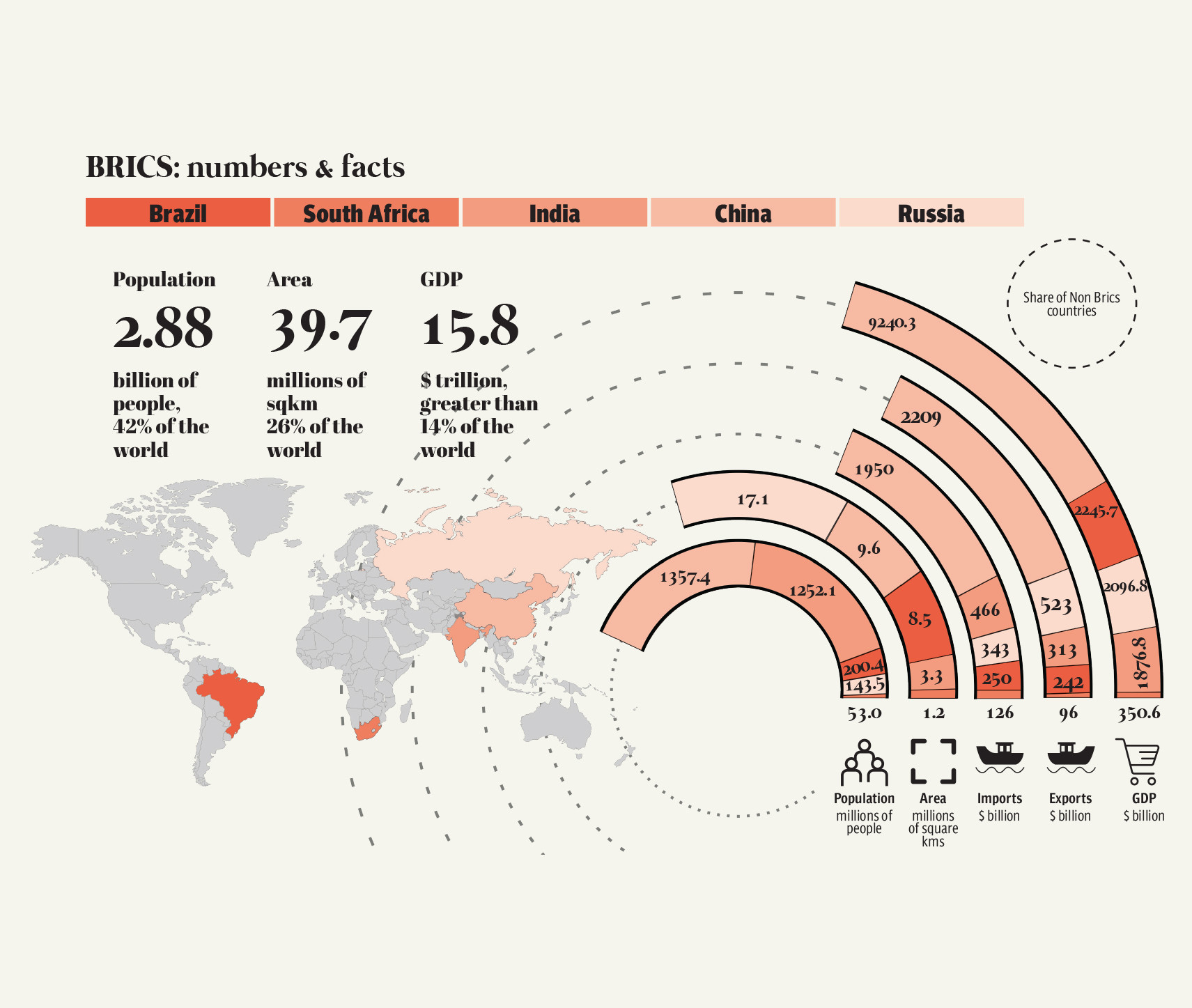
Enter the recent diplomatic shifts coming out of major international blocs. At the BRICS Summit in New Delhi, member nations formally adopted a massive joint declaration emphasizing peaceful orbital exploration, strict action against space debris, and active opposition to the weaponization of the cosmos. While skeptics love to write off these geopolitical declarations as diplomatic theater, the mechanics behind this specific space agenda reveal a lot about where global technology and security are heading.
The Real Crisis in Low Earth Orbit
Space debris isn't a future sci-fi problem. It's happening right now. A tiny fleck of paint or a bolt traveling at orbital velocities hits like a bullet, capable of destroying multi-million-dollar communication arrays in a fraction of a second.
When major developing economies and established space programs pool their resources, the conversation shifts from mere exploration to basic survival. The BRICS framework focuses heavily on expanding the Remote Sensing Satellite Constellation (RSSC). By integrating new space agencies into this agreement, member countries are trying to bridge a massive capability gap. Nations with nascent space programs need reliable Earth-observation data for agriculture, disaster management, and climate monitoring, but they don't all have multi-billion-dollar launch budgets.
Sharing orbital infrastructure helps smaller players catch up while building a collective stake in keeping space clean. If you share the highway, you care about who is throwing trash out the window.
Keeping Weapons Out of the Sky
The diplomatic push against an arms race in outer space is where things get tense. The official stance from the bloc supports long-standing United Nations frameworks like PAROS (Prevention of an Arms Race in Outer Space) and points directly to joint proposals such as the updated draft Treaty on the Prevention of the Placement of Weapons in Outer Space (PPWT).
Western powers often view these proposals with a heavy dose of side-eye, pointing out that countries like Russia and China have spent years developing counter-space capabilities, anti-satellite missiles, and orbital jammers. It's entirely fair to point out the hypocrisy when military powers call for demilitarization while simultaneously upgrading their own defensive arsenals.
Even so, the practical reality remains: an active conflict in orbit would completely cripple modern global infrastructure. GPS navigation, global financial transactions, weather tracking, and secure communications depend on fragile hardware floating in a vacuum. If a major orbital conflict kicks off, nobody wins, and everyone loses their phones, maps, and internet access overnight. That shared vulnerability is precisely why these multilateral agreements keep getting drafted, signed, and debated.
What Happens Next for Global Space Policy
You don't need a degree in aerospace engineering to see that space is privatizing and militarizing faster than international law can keep up. Treaties drafted decades ago were never built to handle private mega-constellations launching thousands of satellites a year or billionaire-backed asteroid mining ventures.
The real test for these multilateral space declarations isn't whether leaders can agree on nice-sounding paragraphs in a conference hall. It's whether countries like India, China, Brazil, Russia, and newer members can actually enforce debris-mitigation standards on their own domestic industries and military agencies.
If you're watching the future of technology unfold, keep an eye on how these shared satellite networks scale up. The nations that figure out how to clean up their orbital backyard while keeping commercial innovation moving forward are going to dictate the rules of the next century. Space isn't an infinite frontier anymore. It's a crowded neighborhood, and it's time to start acting like it.


