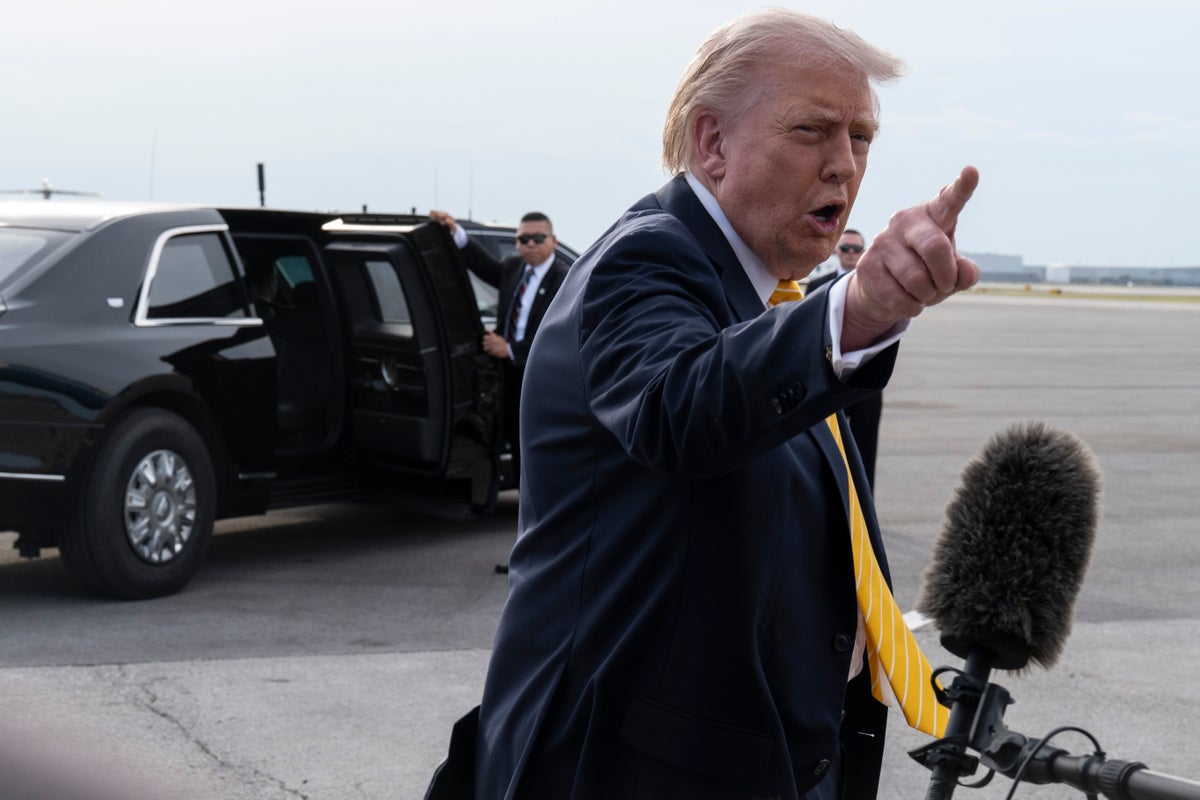
The threat was not whispered in a situation room or leaked through diplomatic backchannels. It was shouted. On May 4, 2026, the American president declared that if Iran touches a single U.S. vessel near the Strait of Hormuz, the nation will be blown off the face of the earth. It is the kind of rhetoric that traditionally signals the end of diplomacy and the start of a regional conflagration. Yet, beneath the surface of this ultimatum lies a more complex reality: a presidency that has already used its biggest hammers and is now staring at a toolkit that is dangerously empty.
Washington is currently navigating a crisis it largely engineered through the reinstatement of the Maximum Pressure 2.0 campaign. By attempting to drive Iranian oil exports to zero and sanctioning every financial artery connecting Tehran to the world, the administration has backed the Islamic Republic into a corner where escalation is the only remaining currency. The recent strikes on February 28, 2026, which resulted in the death of Supreme Leader Ali Khamenei, were intended to force a collapse or an unconditional surrender. Instead, they triggered a succession that has left a more volatile leadership in charge, one willing to shutter the world’s most vital energy artery.
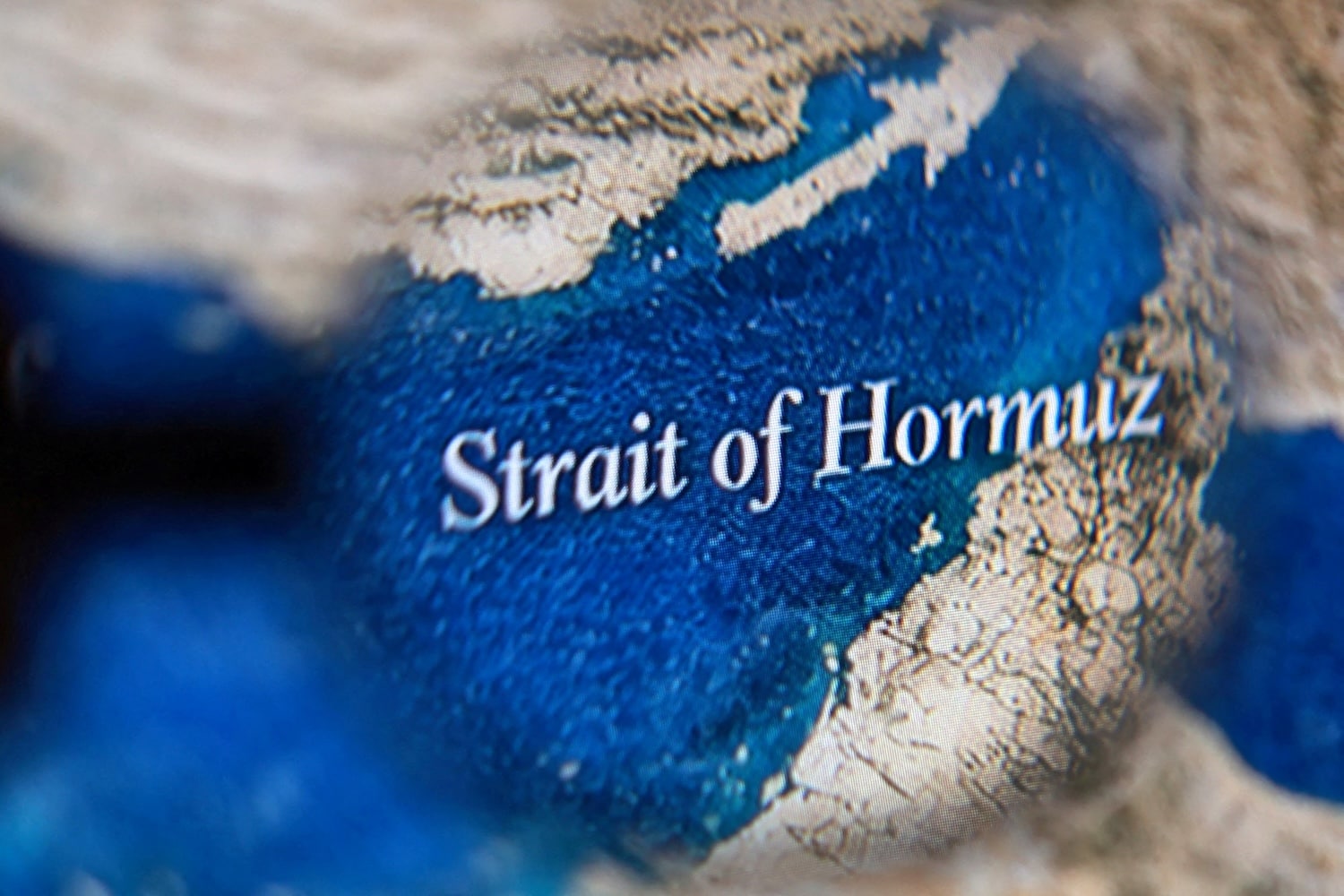
The Strait of Hormuz Trap
The current naval standoff is the inevitable result of a "counter-blockade" strategy. When Iran effectively closed the Strait of Hormuz following the February strikes, global oil prices didn't just tick upward; they threatened the stability of the Western consumer economy. The U.S. responded by targeting Iranian ports, creating a mirror-image blockade.
This is no longer a shadow war. It is a direct test of nerves where the U.S. military is being asked to play two roles simultaneously: an unstoppable strike force and a global maritime traffic cop. The president’s claim that Iran can be "taken out in one night" ignores the messy, enduring reality of what happens the next morning. If the U.S. destroys Iran’s power stations, bridges, and infrastructure—as threatened in the latest 60-day ultimatum—it doesn't just eliminate a threat. It creates a vacuum in a region where the U.S. has spent two decades trying to exit power vacuums.
The Limits of Kinetic Force
There is a fundamental disconnect between the rhetoric of total destruction and the strategic goals of the Pentagon. Military analysts have long warned that while the U.S. can certainly "degrade" Iran's capabilities, "blowing it away" is a geographic and political impossibility.
- The Nuclear Resiliency: Despite the twelve-day war in 2025 and subsequent strikes in early 2026, intelligence reports suggest Iran’s nuclear program remains largely intact, buried in deep-mountain facilities like Fordow that require more than just conventional "fire and fury" to neutralize.
- The Proxy Network: The "Axis of Resistance" has proven that it can function even when the head of the snake is bruised. Houthi rebels in Yemen and militias in Iraq continue to harass regional shipping and U.S. bases, proving that air superiority in Tehran does not equal safety in the Persian Gulf.
- The Economic Backfire: A total war would likely push Brent crude past $130 per barrel. For an administration built on the promise of domestic economic revival, the "Stone Age" threat to Iran could inadvertently send the American middle class back to the gas lines of the 1970s.
The Ghost of Negotiations
The most jarring aspect of the current posture is the president’s insistence that Iran is "much more malleable" even as he threatens its extinction. This "threaten-to-talk" tactic worked with smaller players in the past, but the current Iranian leadership, now under the shadow of a martyred Supreme Leader, views concessions as suicide.
The talks mediated by Pakistan are currently the only thin thread preventing a full-scale invasion. These negotiations are not about nuclear enrichment anymore; they are about the reopening of the Strait and the lifting of a blockade that has reduced shipping traffic to 5% of its normal volume. The president’s demand for "unconditional surrender" is a high-stakes gamble that assumes the Iranian regime values its infrastructure more than its survival. History suggests the opposite.
Why the Rhetoric is Escalating Now
The sudden spike in "blow away" rhetoric likely stems from the failure of the 2025 strikes to produce a decisive political shift. When the U.S. and Israel launched large-scale attacks in February, the expectation was a quick pivot to a new nuclear deal. Instead, we got a stalemate.
The administration is now facing a deadline of its own making. With every passing day that the Strait remains closed, the "Maximum Pressure" is being felt as much in Washington as it is in Tehran. By escalating the language to the level of total annihilation, the White House is trying to mask the fact that it has run out of incremental options. You cannot sanction a country more than "zero," and you cannot strike a country that has already moved its most valuable assets underground.
The danger of this language is that it leaves no room for a "face-saving" exit for either side. If the U.S. does not follow through on the threat to destroy Iran's bridges and power plants by the next deadline, the "Maximum Pressure" campaign loses its last shred of credibility. If it does follow through, it risks a total regional war that would draw in every major power from the Mediterranean to the Indus.
The reality is that "blowing away" a nation of 85 million people is not a policy; it is a confession of diplomatic bankruptcy. As the U.S. military builds up its presence for what could be the final act of this decade-long drama, the world is left wondering if the "malleability" the president sees in his opponents is actually a reflection of his own narrowing path toward a peaceful resolution.
The blockade remains. The missiles are fueled. The rhetoric has reached its terminal velocity.