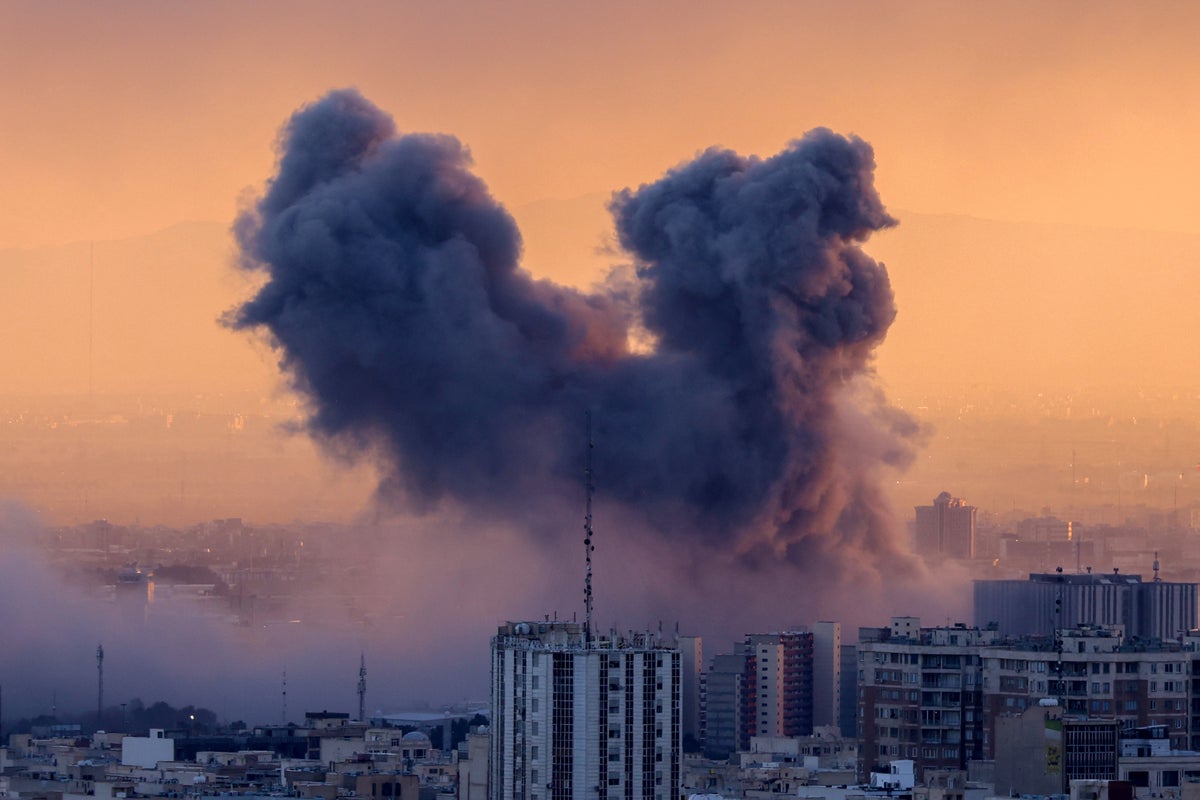
British households are currently sitting on a ticking financial clock. As geopolitical tensions in the Middle East escalate toward a full-scale regional conflict, the UK’s energy market is braced for a price surge that could wipe out the modest savings seen over the last year. The immediate takeaway for any bill-payer is clear: the window to lock in a fixed-rate energy deal is closing rapidly. Within weeks, the wholesale market volatility triggered by fears of a wider Iran-Israel war will likely be baked into standard tariffs, leaving those on variable rates exposed to the mercy of a global supply chain they cannot control.
The current calm in the UK energy market is an illusion. While the Ofgem price cap has dipped, this mechanism is a lagging indicator. It reflects past market behavior, not future risk. If you are waiting for the cap to fall further before acting, you are essentially gambling that the Strait of Hormuz will remain open and peaceful. History and the current military posturing in the Gulf suggest that is a bad bet.
Why the Middle East Still Dictates Your Monthly Direct Debit
It is a common misconception that the UK is insulated from Middle Eastern energy shocks because we get a significant portion of our gas from Norway and our own North Sea reserves. This view ignores the fundamental mechanics of the global commodity market. Gas is a fungible asset. When the threat of war looms in the Middle East, global supply concerns send the price of "Brent Crude" and "TTF Natural Gas" skyrocketing on international exchanges.
British suppliers buy their energy on these global exchanges. If a missile strike hits energy infrastructure in the Persian Gulf, the price of Norwegian gas doesn't stay low out of neighborly kindness; it rises to meet the global market rate. We are tethered to the stability of the Middle East by an invisible, unbreakable financial cord.
The Iran Factor
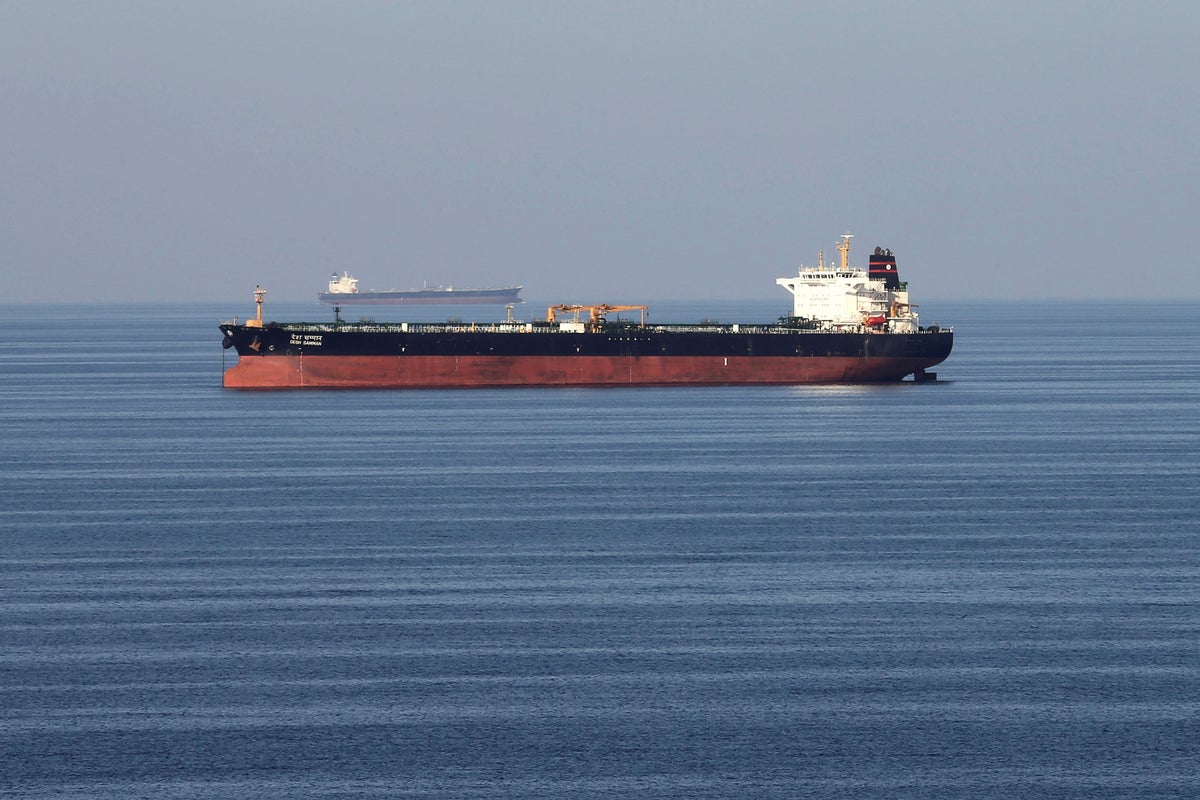
Iran sits on some of the world’s largest natural gas reserves and controls the Strait of Hormuz, a narrow waterway through which a fifth of the world's oil and a massive volume of Liquefied Natural Gas (LNG) passes. Any disruption here doesn't just nudge prices up; it breaks the supply chain.
For the UK, which has become increasingly dependent on LNG shipments from countries like Qatar to fill the void left by Russian pipeline gas, this is a structural vulnerability. If tankers cannot safely navigate the Gulf, the UK enters a bidding war with the rest of Europe and Asia for whatever remains. The result is a vertical climb in wholesale costs that eventually lands on your kitchen table in the form of a higher bill.
The Ofgem Price Cap is a Shield Made of Glass
The Ofgem price cap was designed to prevent "tease and squeeze" pricing by big suppliers, but it has become a psychological trap for consumers. Many households have stayed on Standard Variable Tariffs (SVTs) because the cap provided a sense of government-sanctioned safety.
But the cap is not a subsidy. It is simply a limit on what suppliers can charge per unit based on what they already paid for energy months ago. When wholesale prices spike due to a geopolitical "black swan" event, the cap inevitably follows upward in the next cycle. By the time the cap rises to reflect a war in the Middle East, the cheap fixed-rate deals will have vanished from the market.
Suppliers are not charities. They hedge their risks. When they see the same headlines you do regarding Iranian drone movements or Israeli retaliatory strikes, they immediately pull their most competitive fixed-rate offers off the shelf. They don't want to be locked into selling you cheap energy when it costs them double to acquire it.
The Math of the Fix
To understand whether you should fix now, you have to look at the "risk premium." Currently, the best fixed-rate deals are hovering near or slightly below the current price cap. In a stable world, fixing at a price 2% or 3% higher than the current cap might seem like a losing move. However, we are not living in a stable world.
Consider a hypothetical scenario where an escalation in the Middle East leads to a 20% spike in wholesale gas prices. A household on a variable rate will see their bills climb significantly at the next cap adjustment. A household that fixed today at a 1% premium is effectively buying insurance. You are paying a negligible "peace of mind" fee to ensure that your monthly outgoings remain predictable, regardless of how many tankers are diverted around the Cape of Good Hope.
Hidden Risks in the Small Print
Not all "fixes" are created equal. As a veteran analyst, I have seen the industry pivot toward deals that look attractive on the surface but carry heavy "exit fees." If you lock into a two-year deal today and, by some miracle, global energy prices crash next year, you could be stuck paying £150 to £200 just to switch to a cheaper rate.
Look for:
- One-year fixes with exit fees under £50 per fuel.
- No-exit-fee trackers, which follow wholesale prices but allow you to jump to a fixed rate if the market turns ugly.
- Tariffs that offer "100% renewable" labels, but check the standing charges. Suppliers often hide margin increases in the daily standing charge rather than the unit rate.
The Overlooked Infrastructure Crisis
While the headlines focus on Iran, a secondary factor is making the UK particularly vulnerable to these price hikes: our lack of gas storage. Since the closure of the Rough storage facility years ago (and its only partial, stuttering reopening), the UK has one of the lowest gas storage capacities in Europe.
While Germany or France can ride out a short-term supply disruption using their massive underground reserves, the UK operates on a "just-in-time" delivery model. We are the economic equivalent of a person who goes to the grocery store every single day because their fridge is the size of a shoebox. This lack of a buffer means that when global markets panic, the UK market panics harder and faster. This volatility is what you are protecting yourself against when you fix your bill.
The Strategy for the Coming Winter
The window for action is small. Typically, energy companies refresh their "acquisition" tariffs—the ones meant to lure in new customers—on a weekly basis. As the rhetoric between Tehran and the West sharpens, those acquisition tariffs will become less generous.
If you are currently on a standard variable tariff, you are essentially a "price taker." You are accepting whatever the market and the regulator decide your life should cost. Transitioning to a "price maker" requires moving now, before the volatility is fully priced in.
Data from the last three major energy spikes shows a consistent pattern: the best deals disappear roughly 14 days before the wholesale surge hits the mainstream news cycle. We are currently in that 14-day shadow.
Why Waiting is a Failed Policy
Some analysts suggest waiting to see if "de-escalation" occurs. This is a gamble with your household's disposable income. If de-escalation happens, the downside of having fixed at a slightly higher rate is a few pounds a month. If escalation happens, the downside of staying on a variable rate is hundreds, if not thousands, of pounds over the course of a year.
The asymmetry of the risk is staggering. You are risking a massive financial hit for the sake of a tiny potential saving.
The reality of the 2020s is that energy is no longer a boring utility; it is a geopolitical weapon. The conflict in Ukraine taught us that the "peace dividend" in energy was over. The emerging conflict in the Middle East is the second chapter of that same book. British consumers who treat their energy bill with the same passive "wait and see" attitude they used in 2015 will find themselves footing the bill for a global conflict they have no say in.
Check your current tariff today. If you are not in a fixed-term contract, you are exposed. The market is giving you one final moment of relative quiet to build your own financial bunkers before the heat rises.
Contact your supplier or use a reputable switching service to compare the "Total Annual Cost" of fixed deals against your current projected spend under the cap. Ignore the "monthly saving" marketing speak and look at the unit rates and standing charges. If the numbers are even remotely close to what you pay now, lock it in. The cost of being wrong about a fix is a minor inconvenience; the cost of being wrong about the Middle East is a financial disaster.