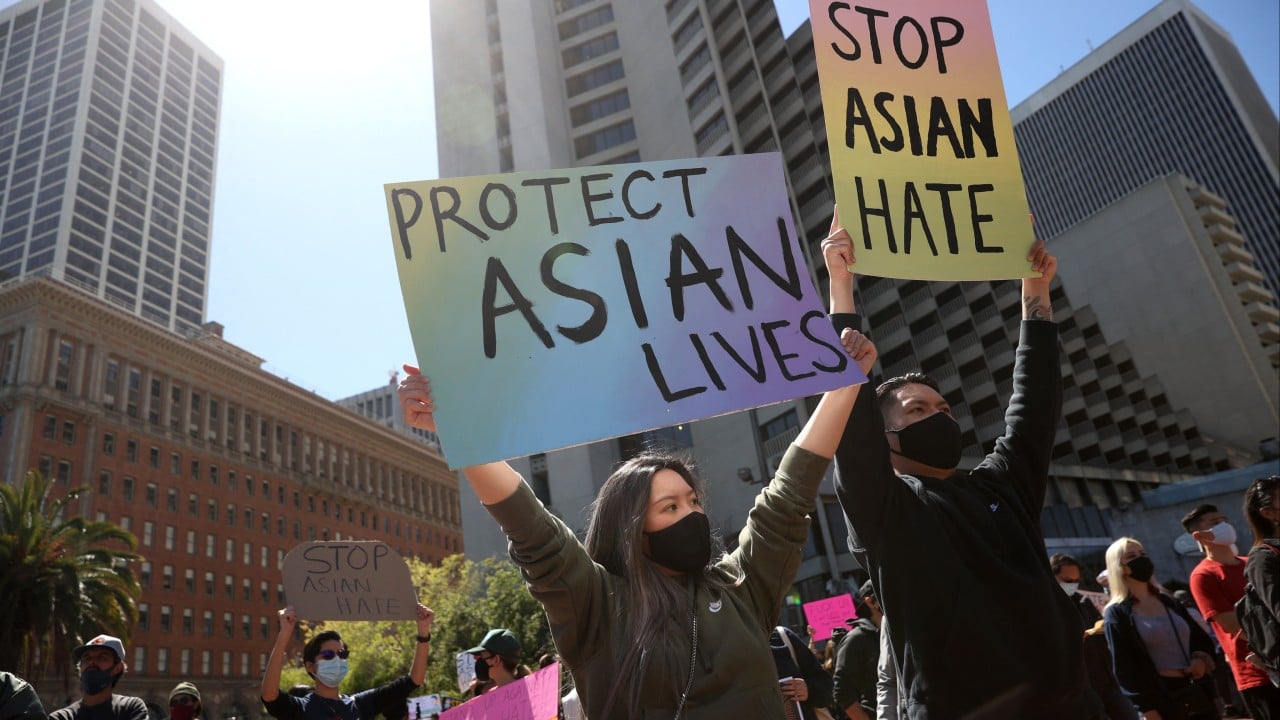
The shift in Asian American political alignment isn't a mysterious puzzle; it is a straightforward transaction that broke down. For years, national strategists treated Asian American and Pacific Islander (AAPI) voters as an ideological monolith, assuming cultural conservatism or aspirational capitalism would permanently anchor them to the Republican standard. Recent survey data from AP-NORC and AAPI Data reveals that assumption was deeply flawed. AAPI approval for President Donald Trump’s economic handling has dropped significantly, with only two in ten approving of his performance on the economy amid rising inflation, supply chain strains, and military conflict in Iran that spiked domestic energy costs.
Asian Americans are not walking away from conservative economic promises because they changed their core priorities. They are pulling back because the pragmatic trade-off they accepted—overlooking harsh immigration policies and inflammatory national rhetoric in exchange for lower taxes, commercial stability, and light-touch regulation—failed to deliver predictable balance sheets.
The Flawed Assumptions of AAPI Voter Engagement
Political campaigns routinely fall into the trap of treating the AAPI demographic as a single unified bloc. In reality, it spans dozens of distinct ethnic groups, languages, and socioeconomic realities, from third-generation Japanese American professionals to recent South Asian tech workers and Vietnamese small-business owners.
For years, conservative political action committees operated on three simple assumptions:
- The Small Business Anchor: Asian Americans own 11% of U.S. small businesses and nearly a fifth of all restaurants, making them prime targets for deregulation and tax-cut messaging.
- The Public Safety Mandate: High-profile urban crime concerns and anti-Asian violence pushed suburban shopkeepers and families toward tough-on-crime platform points.
- The Fiscal Discipline Alignment: Middle-class suburban households leaned toward balanced-budget rhetoric over expansive federal spending programs.
Those assumptions held up reasonably well when economic growth felt steady. But when macro-level disruptions hit local operations, the political calculus changed overnight.
When the Pocketbook Pressure Overrides Strategic Loyalty
The core driver of the recent shift is financial friction. Asian American business owners operates largely in high-margin, high-volume, labor-intensive sectors like retail, hospitality, tech, and logistics. Inflation acts as an immediate tax on these business models.
Fuel price spikes triggered by overseas conflict hit shipping schedules and operating budgets hard. When a gas station pump rate jumps significantly or a container ship fee doubles, independent convenience stores, import shops, and local delivery fleets bear the cost immediately.
┌────────────────────────────────────────────────────────────────────────┐
│                   THE AAPI ECONOMIC SQUEEZE CYCLE                       │
└────────────────────────────────────────────────────────────────────────┘
                                   │
                                   ▼
          ┌────────────────────────────────────────────────┐
          │  Energy Spikes & Federal Tariff Strains        │
          └────────────────────────────────────────────────┘
                                   │
                                   ▼
          ┌────────────────────────────────────────────────┐
          │  Rising Overhead for Local Retail & Supply     │
          └────────────────────────────────────────────────┘
                                   │
                                   ▼
          ┌────────────────────────────────────────────────┐
          │  Narrowing Profit Margins for Small Businesses │
          └────────────────────────────────────────────────┘
                                   │
                                   ▼
          ┌────────────────────────────────────────────────┐
          │  Erosion of Political Trust in Economic Agenda │
          └────────────────────────────────────────────────┘
When small-business margins shrink, tolerance for political unpredictability evaporates. A owner managing five bubble tea shops or a logistics firm cannot offset 15% wholesale cost inflation with general promises about deregulation.
The Unintended Economic Toll of Aggressive Immigration Enforcement
The disconnect deepens when immigration policy directly intersects with commercial health. High-profile enforcement actions, workplace audits, and visa restrictions under the current administration were pitched to voters as border security measures. In practice, these policies generated severe labor supply shocks in key sectors.
Aggressive enforcement tactics—such as ICE detentions spiking over 400% for individuals of Asian origin—created a climate of extreme uncertainty across immigrant business corridors. Restrictive stances on specialized pathways like H-1B visas placed unnecessary hurdles in front of technology, engineering, and medical research firms trying to retain key talent.
┌────────────────────────────────────────────────────────────────────────┐
│                 IMMIGRATION POLICY VS ECONOMIC IMPACT                  │
├─────────────────────────┬──────────────────────────────────────────────┤
│ Policy Measure          │ Practical Commercial Outcome                 │
├─────────────────────────┼──────────────────────────────────────────────┤
│ Increased Workplace     │ Severe staffing shortages in hospitality,    │
│ Enforcement Audits      │ agriculture, and personal service sectors.   │
├─────────────────────────┼──────────────────────────────────────────────┤
│ H-1B Visa Pathway       │ High retention costs and administrative     │
│ Friction & Delays       │ bottlenecks for tech and research operations.│
├─────────────────────────┼──────────────────────────────────────────────┤
│ Escalated Deportation   │ Decreased consumer foot traffic in cultural  │
│ Operations              │ commercial districts due to elevated fear.   │
└─────────────────────────┴──────────────────────────────────────────────┘
Immigration policy is not just a social topic for Asian American communities; it is an economic engine. Disrupting that engine forces even politically conservative entrepreneurs to reconsider who truly protects their bottom line.
Why the Opposition Advantage Is Anything But Secure
Despite the drop in support for Republicans, Democrats cannot simply claim this voter base by default. Data shows that while trust in the GOP has slipped on taxes and cost-of-living management, over a third of AAPI adults state they do not fully trust either major party on these key fiscal fronts.
Many working-class and middle-class Asian Americans view democratic policy proposals with a degree of skepticism:
- Tax Structure Concerns: High local income and corporate taxes in blue states disproportionately impact small-business owners and middle-income families.
- Education Policies: Arguments over merit-based admissions at elite high schools and universities remain a massive point of friction for AAPI parents who feel system changes penalize academic performance.
- Public Safety Realities: While messaging around hate-crime legislation is welcomed, shop owners and city residents still demand firm, visible policing in commercial corridors.
The current political reality isn't a massive ideological migration to the progressive left. It is a surge in pragmatic, uncommitted voters who judge political parties entirely on tangible, quarter-by-quarter results.
A Transactional Voter Base Demands Real Metrics
The takeaway for both parties is plain. Asian American voters operate as rigorous economic pragmatists. They aren't swayed by cultural posturing or vague economic promises. When gas prices rise, regulatory costs mount, and immigration policies destabilize the local workforce, trust erodes rapidly. Whichever party delivers stable costs, predictable regulatory rules, and sensible labor pathways will earn their support in the booth.