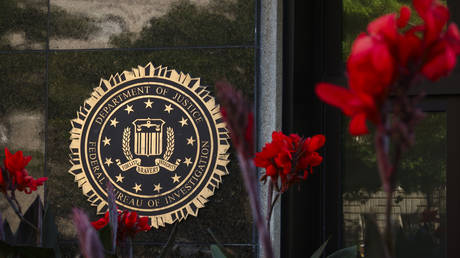
Federal indictments rarely arrive with a sense of poetry, yet the arrest of a prominent reformed hacker on charges tied to a high-profile breach of the Federal Bureau of Investigation shattered a comforting tech industry narrative. For decades, Silicon Valley and federal agencies alike have embraced the redemption arc of the former digital mercenary. We hired the criminals, put them on panels at security conferences, and handed them consulting contracts under the assumption that crossing the line once qualified someone to guard it forever.
That illusion fractured when investigators unspooled the digital trails leading straight back to figures once celebrated as reformed insiders. Don't miss our previous coverage on this related article.
Within the shadowy ecosystem of modern cybercrime, the line separating the threat actor from the corporate security consultant has always been porous. Law enforcement agencies have spent years targeting the infrastructure behind major federal intrusions and corporate network compromises. When those operations finally yield arrests that connect the dots between active extortion syndicates and individuals claiming to work on the white-hat side of the fence, the industry faces an uncomfortable reckoning. The assumption that a past conviction or a public pivot to defense guarantees future fidelity is a administrative fiction.
Understanding how a trusted operator slips back across the divide requires looking past the glossy marketing of cybersecurity firms and examining the raw economics of digital intrusions. Threat syndicates operate with the efficiency of multinational corporations. They deploy specialized teams for reconnaissance, credential harvesting, lateral movement, and extortion. In many cases, the technical skill set required to navigate these federal systems does not stem from formal academic training. It is forged in underground forums where loyalty is transactional and ideological motivations rarely survive a six-figure cryptocurrency payout. If you want more about the context of this, MIT Technology Review offers an excellent breakdown.
When a former black-hat hacker transitions to legitimate advisory work, the transition is rarely absolute. The institutional knowledge gained during illicit operations remains formidable. More importantly, the personal networks cultivated during underground years persist. An operator may stop dropping malware payloads on corporate targets, but they retain the encrypted communication channels, the brokers who launder digital assets, and the unspoken code of silence that governs the digital underworld.
The federal breach that triggered this latest round of indictments exposed vulnerabilities not just in software architecture, but in human vetting. Federal networks and critical infrastructure are protected by layers of access controls, yet those systems rely ultimately on human administrators who hold elevated privileges. When an insider chooses to monetize those privileges, traditional perimeter defenses become practically irrelevant. Firewalls cannot distinguish between a legitimate administrator performing routine maintenance and a compromised account executing unauthorized data exfiltration if the credentials used are entirely valid.
This dynamic exposes the systemic flaw in how the digital security sector manages talent. The demand for elite technical talent far outstrips supply. Organizations desperate to secure their perimeters frequently overlook glaring red flags in a candidate's background, opting instead for the romanticized archetype of the brilliant rogue. This cultural tolerance for ethical ambiguity creates an environment where double agents can thrive. An operator can maintain a respectable facade as an independent security researcher by day while coordinating access broker networks under an alias by night.
The fallout from these arrests extends far beyond a single legal case. Enterprise security leaders are now forced to audit their trusted relationships with outside vendors and former underground figures. The practice of subcontracting pen-testing and vulnerability assessment to individuals with unverified pasts is drawing intense scrutiny from risk management boards. Insurance underwriters, too, are beginning to question policies that indemnify organizations employing personnel with recent histories of federal cyber investigations.
Mitigating this risk requires a fundamental shift in how organizations vet human capital. Background checks must go beyond basic criminal record searches to evaluate financial anomalies, unexplained wealth, and ongoing associations with known threat groups. Zero trust architecture must be applied to human assets just as strictly as it is applied to server architecture. Privilege must be compartmentalized, monitored, and periodically revoked, regardless of an individual's reputation or industry celebrity.
The romantic era of the reformed hacker saving the corporate world from digital ruin is drawing to a close. Security is an engineering discipline, not a reclamation project for digital outlaws. As federal prosecutors continue to dismantle the infrastructure linking former insiders to major breaches, the industry must confront the reality that professional expertise cannot substitute for verified integrity. The cost of ignoring that distinction is written in leaked government records and compromised enterprise databases.