The suitcase stood by the door for three days, a silent monument to a mutiny. Inside, rolled tight to save space, were the linen shirts and the optimistic swimwear of a man who desperately needed to believe in a different version of reality. Mark had spent six months staring at a desktop wallpaper of Los Gigantes, those towering basalt cliffs that shield the soul from the grey drizzle of a London February. He wasn't just buying a flight to Tenerife. He was buying a temporary ceasefire with his own exhaustion.
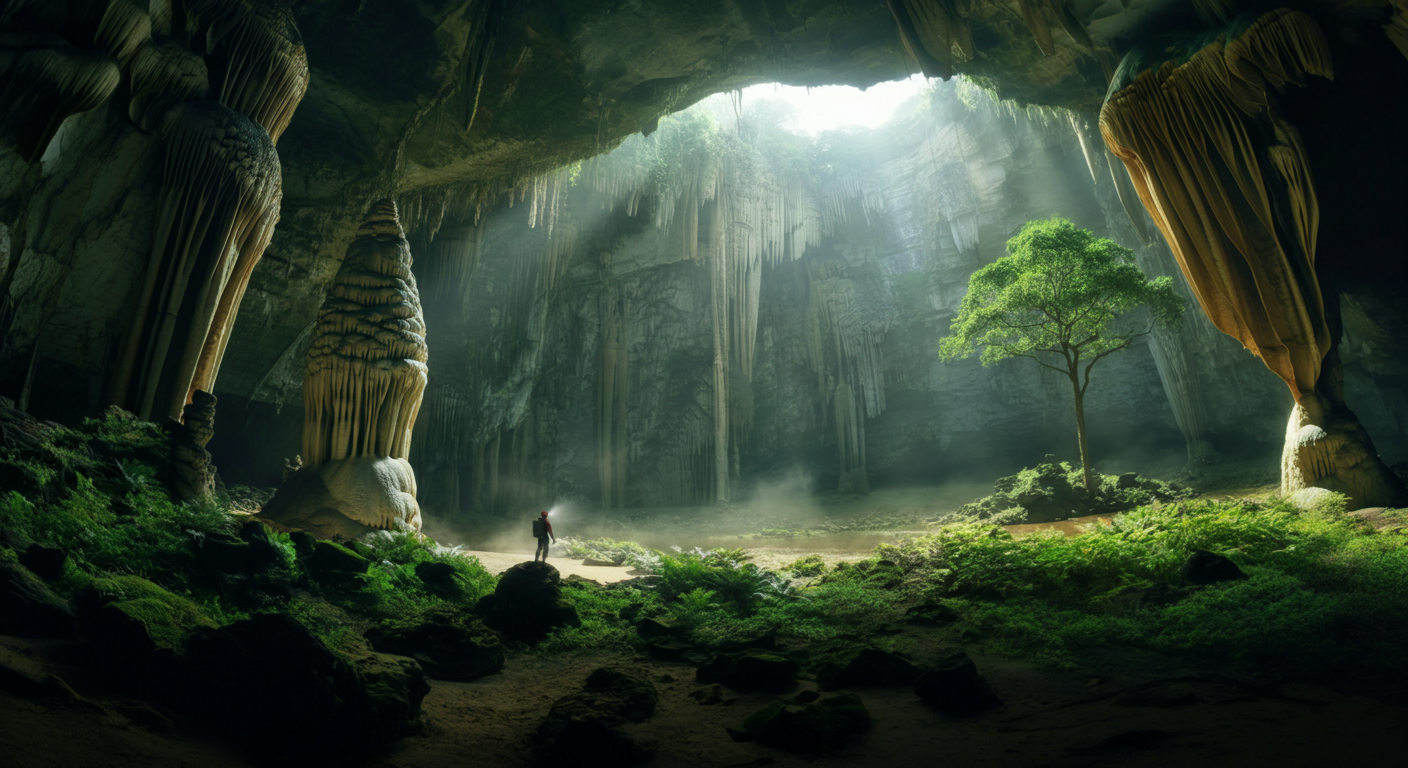
Then the notifications began to chime. Also making waves in this space: The Price of Preservation Inside the Battle to Save the World Largest Cave.
It started with a yellow weather alert, a nervous digital stutter from a travel app. Then came the videos—shaky, handheld footage of waves reclaiming seafront promenades and wind that sounded like a freight train tearing through palm fronds. The "Island of Eternal Spring" was currently hosting a violent, unscripted winter.
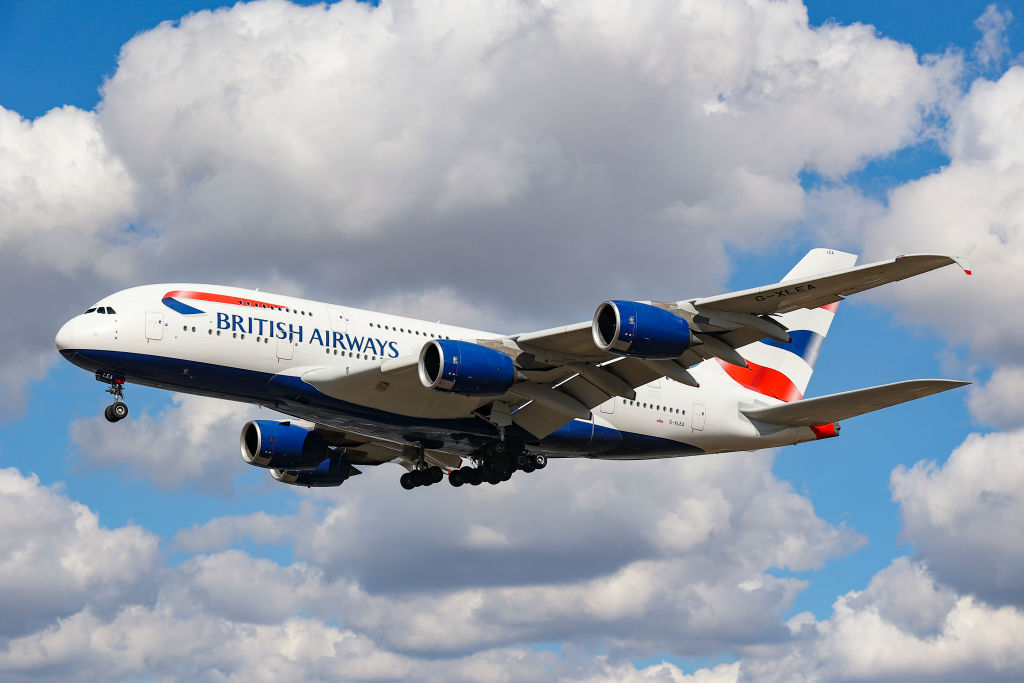
Mark looked at his suitcase, then at the headlines reporting "airport chaos" and "mass cancellations." He did what thousands of others were doing in that exact moment across Europe. He reached for his phone, not to check in, but to retreat. More information on this are detailed by The Points Guy.
The decision to cancel a holiday is rarely about the money alone. It is a slow-motion collapse of hope. When we talk about "travel disruptions," we use the language of logistics—delayed airframes, slot management, meteorological data. We forget that every cancelled booking is a miniature heartbreak. It is the father who promised his daughter she’d see a dolphin. It is the couple trying to outrun a crumbling marriage by changing the scenery. When the weather turns "wild" and the airports descend into "chaos," the infrastructure isn't the only thing breaking. The dream is breaking.
The Anatomy of a Storm-Battered Sanctuary
Tenerife occupies a specific place in the northern European psyche. It is the reliable fallback. When the rest of the continent is shivering under a blanket of frost, the Canaries are supposed to be the pilot light that stays lit. This geographical reliability creates a psychological contract: I give you my savings, and you give me twenty-four degrees and a breeze that smells of salt.
When the weather breaks that contract, the reaction is visceral.
The recent "wild weather" wasn't just a bit of rain. It was a visceral reminder that nature doesn't care about your annual leave. Calima winds—the hot, dust-laden breath of the Sahara—have been known to turn the sky a bruised orange, scratching at the back of the throat and grounding planes with a visibility so poor it feels like flying through a bowl of soup. Combine that with uncharacteristic Atlantic surges that batter the northern coasts, and the sanctuary begins to feel like a trap.
Consider the hypothetical traveler, "Sarah." Sarah is a freelance designer. She doesn't get paid if she doesn't work, but she hadn't taken a day off in a year. She arrived at the airport during the height of the recent North Terminal bottleneck. She saw the queues—snaking, stagnant rivers of frustrated humanity. She watched the departure board turn into a wall of red "Cancelled" text.
For Sarah, the "chaos" wasn't just a headline. It was the physical sensation of her heart sinking into her stomach. It was the calculation of the "invisible stakes." If she got stuck in Tenerife because the planes couldn't land in the crosswinds, she would miss her Monday deadline. She would lose the contract. The holiday that was supposed to recharge her career was now threatening to dismantle it.
She walked away from the check-in desk. She went home. She is part of the statistic of "holidaymakers cancelling breaks," but the statistic doesn't capture the way she sat on her living room floor and cried because the world felt too heavy to navigate.
The Domino Effect of the Disenchanted
The exodus of tourists isn't a localized event. It ripples.
Tenerife’s economy is a delicate machine fueled by the predictable arrival of millions. When the "chaos" hits the news cycles, it triggers a psychological contagion. One viral video of a flooded hotel lobby in Puerto de la Cruz can trigger ten thousand cancellations in forty-eight hours.
The local shopkeeper in Costa Adeje looks at the empty tables where the lunchtime rush should be. The taxi driver waits in a line that doesn't move because the arrivals gate is a ghost town. They are the secondary victims of the "wild weather." Their lives are dictated by the whims of the jet stream and the skittishness of a public that has been told the destination is no longer a "safe bet."
We are living in an era of hyper-fragility in travel. A decade ago, a storm was an adventure. You packed a deck of cards and waited it out in the hotel bar. Today, the "airport chaos" is documented in real-time, amplified by social media, and transformed into a reason to stay home. We have lost our tolerance for the unpredictable. We want our experiences curated, guaranteed, and perfectly filtered.
The moment the reality of a destination deviates from its Instagram advertisement, we panic.
The Hidden Mechanics of Airport Paralysis
Why does it fall apart so quickly? Why can't a modern airport handle a few days of wind?
Imagine the air traffic system as a high-stakes game of Tetris played at five hundred miles per hour. Every plane is a block. The "slots"—the precise windows for takeoff and landing—are the only spaces where those blocks can fit. When a storm hits Tenerife, those slots don't just shift; they disappear.
The wind speed at Tenerife North (Los Rodeos) is legendary. Its position in a high-altitude bowl makes it prone to sudden fog and shear. When the wind exceeds the safety margins of a Boeing 737, the "chaos" is actually a triumph of safety over convenience. Pilots are making the agonizing, correct decision to divert to the southern airport or, worse, return to the point of origin.
But for the person sitting in Seat 14F, safety feels like a secondary concern. They feel the indignity of the situation. They feel the lack of information. They are stuck in a liminal space—the airport lounge—which is designed to be passed through, never inhabited. It is a place of expensive sandwiches and bright, unforgiving fluorescent lights.
The "airport chaos" is a crisis of communication as much as it is a crisis of weather. People can handle a storm. They cannot handle being ignored. When the airline apps go silent and the ground staff disappears behind "Authorized Personnel Only" doors, the traveler stops being a customer and starts feeling like a hostage.
The Shifting Horizon of the Modern Traveler
This recent wave of cancellations in Tenerife suggests a deeper shift in how we view the world.
We used to be explorers. Now, we are consumers of climates.
When the climate doesn't perform, we want a refund. We are seeing the rise of "climate-conscious booking," where travelers are scrutinizing long-range forecasts and historical weather patterns with the intensity of a commodities trader. Tenerife, once the bulletproof option, is suddenly being viewed through a lens of risk.
Is it the weather that's getting worse, or is it our ability to cope with it that's shrinking?
The truth is likely a bit of both. The Atlantic is warmer, the storms are more erratic, and our patience is paper-thin. We are exhausted by a world that feels increasingly chaotic, so we demand that our holidays be perfectly serene. When they aren't, we retreat. We cancel. We stay in our houses and watch the rain through our own windows, where at least the coffee is cheap and the bed is familiar.
The suitcase by Mark’s door eventually got unpacked. He put the linen shirts back in the drawer. He felt a strange mixture of relief and mourning. He was safe from the "chaos," but he was also trapped in the grey. He had avoided the storm, but he had also missed the possibility of the sun breaking through the clouds after the rain—that specific, golden light that only happens in the Canaries when the dust settles.
He sat at his desk and changed his wallpaper. Not to a beach, but to a forest. Something more local. Something less likely to break his heart.
The eternal spring is still there, of course. The volcanoes haven't moved. The ocean still crashes against the cliffs of Los Gigantes with a power that dwarfs any human headline. But for now, the path to get there feels a little too treacherous, the stakes a little too high, and the human spirit a little too tired to brave the wind.
The departure board remains a wall of red, and somewhere in a quiet London flat, a man is staring at a roll of unused suntan lotion, wondering when the world became so difficult to navigate.