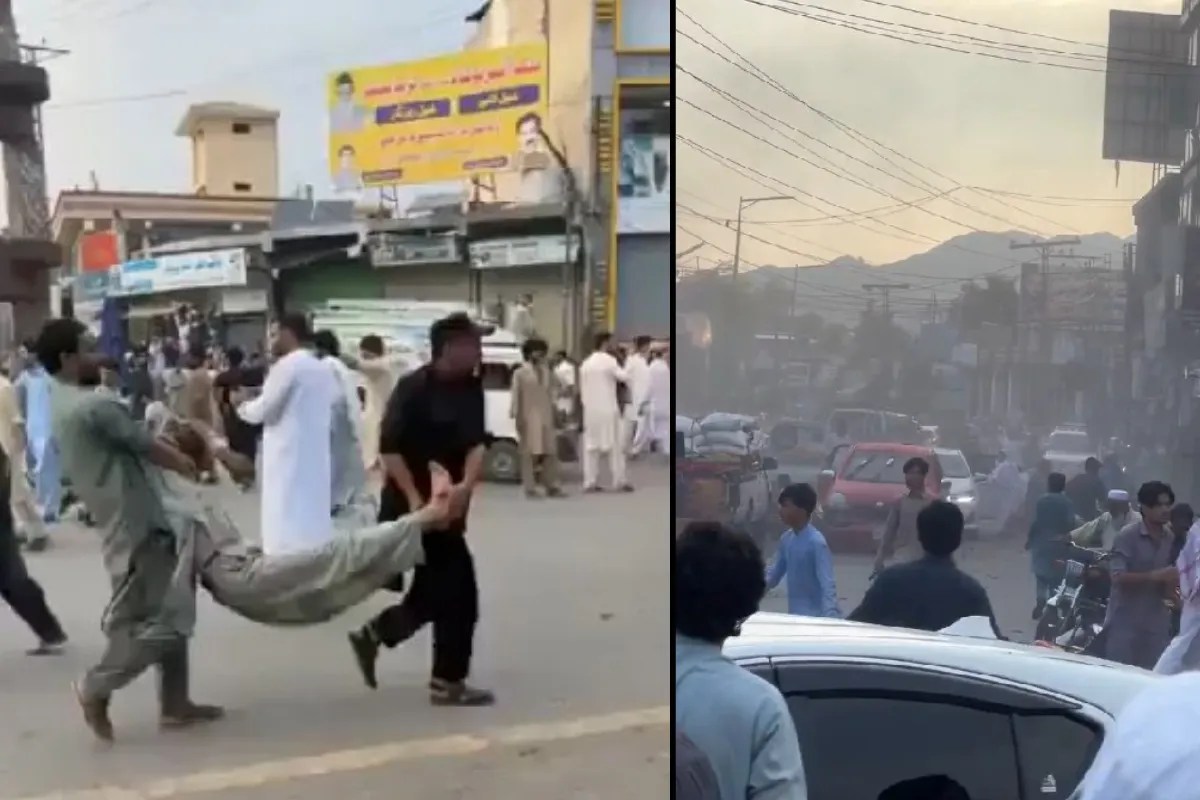
The afternoon sun hung low over the dusty street, casting long, fractured shadows across the pavement. Banners fluttered in the warm breeze, carrying words of unity, promises of tomorrow, and the heavy weight of collective longing. People had gathered for peace. They came carrying banners, songs, and the fragile belief that dialogue could heal deep fractures.
Then came the sound.
It was not merely a noise; it was an abrupt tearing of the air, a concussive shockwave that swallowed sound, breath, and light in a single fraction of a second.
The Shattered Afternoon
Consider the ordinary details of a public gathering just moments before catastrophe strikes. Laughter echoes near a tea stall. Children chase each other around the edges of a crowd. Neighbors greet one another with warm handshakes, discussing the rising cost of living, the weather, and the upcoming elections. There is an unmistakable rhythm to community life, a steady heartbeat of routine that makes existence feel secure.
In an instant, that rhythm flatlined.
The blast tore through the procession, turning a space of dialogue into a scene of chaotic devastation. When the thick, acrid smoke finally began to clear, the human cost emerged with brutal clarity. Seven lives were extinguished right there on the asphalt. Eighteen others sustained injuries ranging from minor shrapnel cuts to critical trauma, their bodies rushed to overwhelmed local hospitals where panicked families crowded the corridors.
Anatomy of Grief
Statistics are clinical. They reduce human suffering to dry numbers on a screen. Seven dead. Eighteen wounded. But behind every digit lies an entire universe of unwritten tomorrows.
Imagine a hypothetical father named Tariq, stepping out of his modest home earlier that morning. He kissed his daughter on the forehead, promising to bring home sweets when he returned from the rally. He believed in the power of peaceful assembly. He believed that ordinary citizens could demand a safer, more stable future simply by standing shoulder to shoulder in the open air.
Tariq did not return. His family is now left to navigate the dizzying, hollow landscape of sudden absence. Multiply that grief by seven, and then expand the concentric circles of pain to include the eighteen injured individuals and their families. Hospital wards overflow with anxious whispers, weeping mothers, and the relentless beep of medical monitors fighting to keep fragile heartbeats alive.
Why Peace Remains Fragile
Violence at a peace rally is a cruel paradox. It targets the very people brave enough to advocate for harmony in regions scarred by historical conflict. When extremists strike a gathering dedicated to non-violence, their objective is clear: to terrorize hope itself into silence. They want citizens to look at public squares not as places of community, but as zones of mortal danger.
History teaches us that fear is a contagious pathogen. When a bomb detonates in a crowd, the immediate physical damage is undeniable, but the psychological shrapnel travels much further. It breeds suspicion. It isolates communities. It tells the weary citizen that staying indoors is safer than speaking up for change.
Yet, defiance often takes the quietest forms.
The Resonant Echo
Look closely at the days following such a tragedy. Streets are swept clean of debris. Glass is cleared away. But the atmosphere remains charged with a grim determination. The community does not simply vanish into terror. Instead, vigils are held. Funerals draw massive crowds of mourners who refuse to let fear dictate the parameters of their daily existence.
The explosion in Pakistan during the peace rally is a stark reminder of the heavy toll paid by those who dare to dream of stability in volatile territories. The road to lasting peace is never linear; it is frequently paved with heartbreaking setbacks and the tears of innocent bystanders caught in the crossfire of fanaticism.
The smoke fades. The sirens eventually fall silent. But the question lingers in the empty spaces left behind by those who perished: how many shattered lives will it take before the noise of destruction is finally drowned out by the enduring power of human resilience?